
Container Gardens
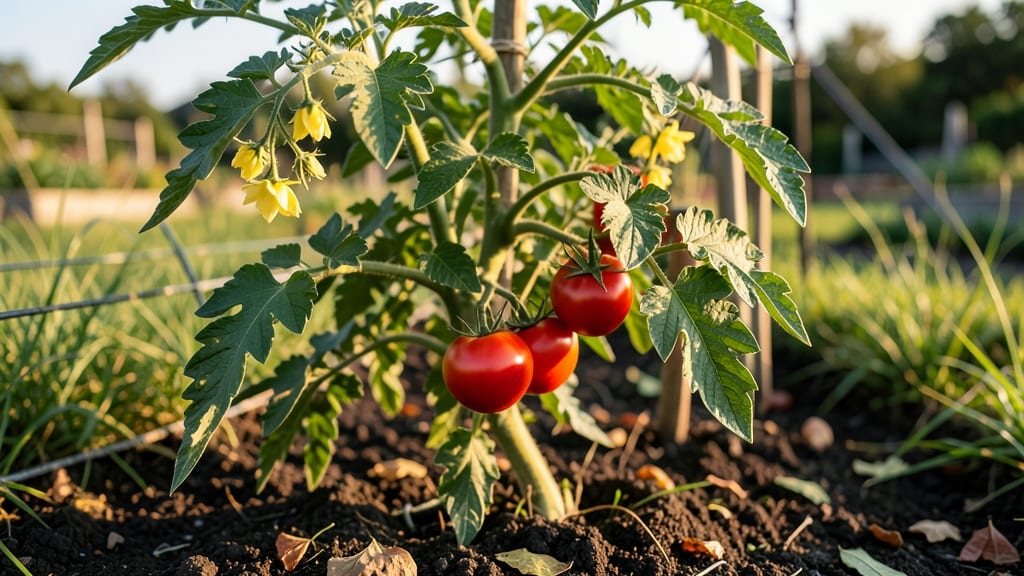
Watching beefsteak tomato growing stages from tiny seeds to sun-ripened giants is like observing a slow-motion superhero transformation. 🌱 The journey starts with a seed so small it disappears into the soil—then, in just 8-10 weeks, you're holding a pound-plus fruit that tastes like summer in your hand.
The magic happens in stages: first, those delicate seedlings need warmth and patience; next comes the flowering phase where pruning decisions determine your future harvest size. I learned the hard way that skipping this step means smaller tomatoes and more disease pressure.
But when you nail it, you're rewarded with vines heavy with beefy red fruit by late summer. What makes this process thrilling is seeing each milestone—true leaves, first blossoms, fruit set—and knowing every care decision you make now shapes what you'll harvest.
The payoff? Tomatoes so juicy and meaty they make store-bought ones taste like cardboard. Here's where we begin: understanding each growth stage so you can troubleshoot problems before they start. Let's grow those monsters!
📚 In This Guide
- What you need
- Instructions
- Tips and common mistakes
- Wrapping up and next steps
What you need
- ● Container: A minimum 5-gallon pot (bigger is better—10+ gallons for mature plants). Ensure it has drainage holes and is made of durable material (fabric grow bags, plastic, or ceramic).
- ● High-quality potting mix: 10-15 lbs of a lightweight, well-draining mix with added compost or aged manure (avoid garden soil—it compacts!). Recommended brands: FoxFarm Ocean Forest or Miracle-Gro Organic Potting Mix.
- ● Tomato seeds or seedlings: Seeds: 2-3 beefsteak varieties (e.g., ‘Brandywine,’ ‘Cherokee Purple,’ or ‘Big Beef’). Start indoors 6-8 weeks before last frost.
- ● Seedlings: 1-2 healthy, transplant-ready plants (check for sturdy stems and vibrant leaves). Buy from a nursery or online (e.g., Baker Creek Heirloom Seeds).
- ● Fertilizer: Balanced starter fertilizer: 1 tbsp of 10-10-10 or 5-5-5 (e.g., Jack’s Classic Blossom Booster).
- ● Organic slow-release option: 1 cup of worm castings or 1 tbsp of fish emulsion (for ongoing nutrition).
- ● Support system: A 5-6 ft tall tomato cage (metal or sturdy plastic) or bamboo stakes (3-4 ft long). Avoid flimsy cages—they’ll snap under beefsteak weight!
- ● Mulch: 2-3 inches of straw or shredded leaves to retain moisture and suppress weeds.
- ● Hand trowel (for planting and soil adjustments).
- ● Watering can or hose with a gentle spray nozzle (avoid overhead watering to prevent disease).
- ● Pruning shears (for trimming suckers and dead leaves).
- ○ pH test kit (optional but helpful—aim for 6.0-6.8).
- ● Glove (to protect from thorns and soil-borne pathogens).
- ● Sunlight: 6-8+ hours of full sun daily (beefsteaks are sun-hungry!). A south-facing spot or balcony works best.
- ● Temperature: Ideal daytime temps: 70-85°F; avoid planting until soil is at least 60°F.
- ● Water access: Consistent moisture (but not soggy soil). Pro tip: Use a moisture meter or stick your finger 1-2 inches into the soil—if it’s dry, water deeply.
- ● Patience: Beefsteaks take 80-100 days to mature—plan ahead!
How to track beefsteak tomato growth through key developmental stages
Here's how I monitor each phase—from fragile sprouts to heavy-fruited vines—using simple visual cues and timing benchmarks.
🌱 Step 1: Germination and First True Leaves (Days 5-21)
Germination begins when you see the first sign of life: a tiny white root pushing through the seed coat, followed by the seedling's stem breaking the soil surface. This typically happens within 5-10 days at 75-85°F soil temperatures. I keep the seedling tray covered with plastic wrap during this time to maintain high humidity, but I remove it immediately once sprouts appear to prevent damping-off.
The real milestone comes when the first true leaves (not the initial cotyledons) emerge, usually 7-14 days after germination. These leaves are smaller, serrated, and resemble miniature tomato foliage. This is when I start providing 14-16 hours of light daily—without enough light at this stage, seedlings become leggy and weak, a condition that never fully corrects itself.
🌿 Step 2: Vegetative Growth and Pruning (Weeks 3-6)
Once seedlings develop their third set of true leaves, they're ready for transplanting into larger containers or the garden. I look for thick stems and dark green leaves as signs of strong, healthy growth. At this point, I also begin pruning: removing the lower leaves that will touch the soil prevents disease and encourages upward growth.
During this phase, beefsteak tomatoes enter their vegetative growth spurt, producing new leaves and stems rapidly. I fertilize with a balanced 10-10-10 formula when the plants reach 12 inches tall, but I avoid overdoing it—too much nitrogen at this stage delays flowering. Watch for succulent new growth and rapid stem elongation as key indicators that the plant is thriving.
☀️ Step 3: Flowering and Pollination (Weeks 6-8)
The transition to flowering is unmistakable: yellow blossoms appear in clusters at the leaf axils. Beefsteak tomatoes are self-pollinating, but I still give the plants a gentle shake in the morning to ensure pollination, especially on cloudy days. I remove any suckers (side shoots in the leaf axils) to direct the plant's energy toward fruit production rather than excessive foliage.
Flowering is also when I adjust my fertilization approach. I switch to a low-nitrogen, high-phosphorus formula (like 5-10-10) to encourage flowering and fruiting. You'll know the plant is ready for this shift when more than 50% of the blossoms open daily. At this stage, I also monitor for tomato hornworms—their distinctive green caterpillars with white stripes can devour flowers overnight.
🍅 Step 4: Fruit Set and Early Development (Weeks 8-10)
After successful pollination, you'll see tiny green tomatoes forming in clusters. This is the stage where I start paying close attention to fruit set consistency: if only a few tomatoes develop while others drop, it could signal poor pollination or environmental stress. I ensure the plants receive at least 6 hours of direct sunlight daily and maintain even moisture—fluctuations in watering cause blossom-end rot or cracked fruit.
During this phase, the tomatoes grow rapidly, doubling in size within 2-3 weeks. I continue pruning suckers but leave the main stem and primary branches intact. The key sensory checkpoint here is the weight of the fruit: healthy beefsteak tomatoes feel firm but yield slightly when gently squeezed—this indicates proper water uptake and cell development.
🌞 Step 5: Maturation and Harvest (Weeks 10-14+)
The final stage is the most rewarding: watching the tomatoes transition from green to deep red or pink, depending on the variety. Full maturity occurs when the tomatoes are completely colored, slightly soft to the touch, and easily detach from the vine with a gentle twist. I harvest in the morning when temperatures are cooler to preserve flavor and texture.
At this stage, I also monitor the plant's overall health. A well-managed beefsteak tomato vine will produce 6-10 pounds of fruit per plant under ideal conditions. If the plant shows signs of stress—yellowing leaves, wilting, or stunted growth—I adjust watering or provide additional support (like staking or caging) immediately. The goal is to keep the plant productive until the first frost, maximizing your harvest.
Tips & tricks for perfect beefsteak tomato development
Real talk: Growing beefsteak tomatoes from seed to harvest reveals the most satisfying gardening journey. Here's what nobody tells you about optimizing each growth phase.
Germination Precision: The 5-10 day germination window is your first critical test—don't rush it! I've learned to maintain soil temperatures between 75-85°F using a seedling heat mat if needed. The moment you see that first white root, remove the plastic wrap immediately to prevent condensation-related damping-off. Pro tip: Use a clear plastic dome instead of wrap for better humidity control while still allowing airflow.
Lighting Strategy: Those 14-16 hours of daily light during the first true leaves stage are non-negotiable. I use a combination of natural sunlight and LED grow lights positioned just 6 inches above seedlings. Watch for leggy stems (thin, stretched growth) as your warning sign—this means insufficient light. Once you see the third set of true leaves, it's time to harden off seedlings by gradually reducing light to 12 hours daily for 3-4 days before transplanting.
Fertilizer Transition: The switch from 10-10-10 to 5-10-10 fertilizer at flowering is where many gardeners go wrong. I've found that beefsteak tomatoes respond best when you make this change only after you consistently see more than 50% of blossoms opening daily. Too much nitrogen too late will produce lush foliage but delay fruit production. Apply fertilizer only when the soil is moist to prevent root burn.
Pest Prevention: Tomato hornworms are the silent destroyers of beefsteak tomato flowers. I've had entire clusters of blossoms devoured overnight. My early detection system is simple: check the undersides of leaves daily during Weeks 6-8. You'll spot their distinctive green bodies with white stripes. Remove them immediately by hand—no chemicals needed at this stage. For organic control, introduce beneficial nematodes or handpick them after dark when they're less active.
Pro Tips for Beefsteak Tomato Growing Stages
- Real talk: Growing beefsteak tomatoes from seed to harvest reveals the most satisfying gardening journey.
- Germination Precision: The 5-10 day germination window is your first critical test—don't rush it!
- Lighting Strategy: Those 14-16 hours of daily light during the first true leaves stage are non-negotiable.
Frequently asked questions
Got questions about growing beefsteak tomatoes? You’re not alone! Here are answers to some of the most common queries to help you cultivate juicy, homegrown success.
How long does it take for beefsteak tomatoes to go from seedling to harvest?
Beefsteak tomatoes typically take 60–85 days from transplanting to harvest, depending on the variety and growing conditions. Start seeds indoors 6–8 weeks before the last frost, then transplant seedlings after the soil warms to 55°F (13°C). Patience pays off—larger varieties may need extra time!
When is the best time to prune beefsteak tomato plants?
Prune beefsteak tomatoes early in the season (when plants are 12–18 inches tall) to encourage stronger stems and better air circulation. Remove suckers (shoots in the leaf axils) regularly—especially if growing determinate varieties—to focus energy on fruit production. Avoid heavy pruning late in the season, as it can stress the plant.
Why are my beefsteak tomatoes cracking, even though I’m watering consistently?
Cracking is common in beefsteak tomatoes due to their size and irregular watering. To prevent it, water deeply and consistently (1–2 inches per week), especially during fruit development. Mulch around plants to retain moisture and avoid fluctuations. If cracks appear, don’t worry—they won’t affect taste, but they may reduce shelf life.
Can I grow beefsteak tomatoes in containers, and what size pot do I need?
Beefsteak tomatoes thrive in containers with at least 5-gallon pots (bigger is better for larger varieties). Use a well-draining potting mix and support the plant with a sturdy cage or trellis. Ensure the container has drainage holes to prevent root rot, and fertilize regularly with a balanced tomato feed.
How do I keep pests like hornworms and aphids off my beefsteak tomatoes?
Inspect plants weekly for pests, especially large green hornworms or sticky aphids. Handpick hornworms (they’re easy to spot!) and spray aphids with neem oil or insecticidal soap. Encourage beneficial insects like ladybugs by planting companion flowers like marigolds or basil. Healthy plants with proper spacing resist pests better!
Wrapping up and next steps
Growing beefsteak tomatoes from seedling to harvest is a rewarding journey that blends patience, care, and a little bit of sunshine! 🌱 By understanding each stage—from germination to fruiting—you’ll unlock the secret to juicy, homegrown tomatoes that rival store-bought flavors.
Whether you’re a first-time gardener or a seasoned green thumb, every ripe tomato is a testament to your hard work.
Ready to level up your container garden? Start by planting your next seeds or transplanting seedlings this season—your taste buds (and dinner plate) will thank you! 🍅✨