
Planting
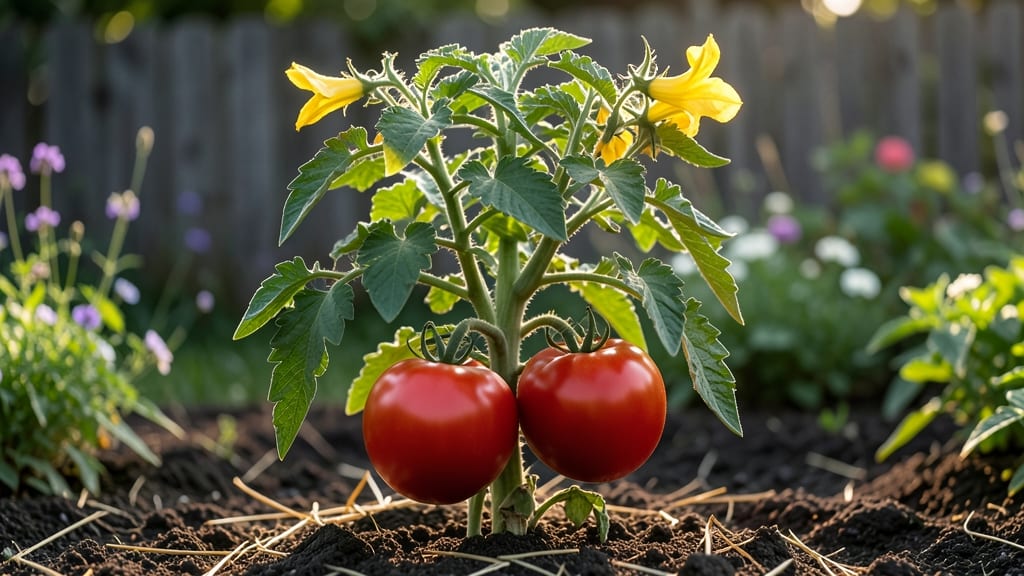
Growing a bush beefsteak tomato plant means juicy, 1-pound tomatoes that outshine store-bought varieties. 🌱 I learned the hard way that these heat-loving beauties need the right balance of sun, water, and space—or you’ll end up with cracked fruits or stunted growth.
The key is understanding their compact growth habit while giving them just enough support to handle those massive beefsteak-sized slices.
These tomatoes thrive in full sun (6-8 hours daily) and well-draining soil with a pH of 6.0-6.8. Unlike indeterminate varieties, bush beefsteaks grow to about 3-4 feet tall, making them perfect for containers or small gardens.
Plant them 18-24 inches apart in early spring after the last frost, and avoid overcrowding—this variety resents competition for nutrients.
With minimal pruning (just remove suckers at the base), you’ll harvest 50-70 pounds per plant by midsummer. The secret? Consistent watering at the soil level (not overhead) and a light hand with fertilizer—too much nitrogen means fewer tomatoes, more leaves.
By late July, you’ll be slicing these beefsteaks into sandwiches that make your neighbors jealous.
For heat zones 7-10, these tomatoes stay productive even when temps hit 90°F+, as long as you mulch to keep roots cool. The only real challenge? Handling the weight—use cages or stakes early to prevent sprawl. Once you master this variety, you’ll never buy tomatoes again.
📚 In This Guide
- What you need
- Instructions
- Tips and common mistakes
- Wrapping up and next steps
What you need
- ● Bush Beefsteak tomato seeds or seedlings: 1–2 plants (check seed packets for heat-resistant varieties or buy from a trusted nursery).
- ● Containers or garden bed: Containers: 5-gallon pots or larger (at least 12–18 inches deep) with drainage holes. Quantity: 1 per plant.
- ● Garden bed: Full sun (6+ hours daily), well-draining soil, and space 2–3 feet apart (bush varieties are compact!).
- ○ High-quality potting mix: 1 bag (look for a blend with compost or aged manure for nutrients). Optional: Add perlite or vermiculite (10–20%) for better drainage.
- ● Fertilizer: Balanced fertilizer (10-10-10 or 5-5-5): 1–2 tbsp per plant at planting time.
- ● Tomato-specific fertilizer (high in potassium): For flowering/fruiting (follow package instructions).
- ● Mulch: Straw, shredded leaves, or black plastic (to retain moisture and regulate soil temp).
- ○ Support (optional but recommended): Small stakes (18–24 inches tall) or cages (for bush varieties, cages are often sufficient).
- ● Watering can or hose with gentle nozzle: For deep, consistent watering (avoid wetting leaves to prevent disease).
- ● Pruning shears: Small, sharp pair for trimming suckers or yellow leaves.
- ● Climate: Ideal for USDA Zones 4–11 (heat-tolerant, but avoid extreme drought or frost).
- ● Soil temperature: Wait until soil is at least 60°F (15°C) before planting (use a soil thermometer if unsure!).
- ● Sunlight: Full sun (6+ hours/day) is non-negotiable—this variety thrives in heat!
- ● Water access: Consistent moisture (1–1.5 inches per week; more in extreme heat).
- ● Patience: Bush varieties mature faster (60–70 days to harvest), but heat waves may delay fruiting.
- ● 🔥 Soil test: Check pH (ideal: 6.0–6.8). Amend with lime or sulfur if needed.
- ● 🌡️ Shade cloth: Use 30–50% shade cloth during 100°F+ (38°C+) to protect young plants.
- ● ✨ Companion plants: Try basil or marigolds nearby to repel pests and boost growth!
Step-by-step instructions for growing bush beefsteak tomatoes
Here's how I grow this heat-loving variety—proven to thrive in full sun without sprawling vines.
🪴 Step 1: Choose the Perfect Planting Location
Bush Beefsteak tomatoes demand 6-8 hours of direct sunlight daily, so select a south-facing spot with no afternoon shade. I always test locations by placing a white board where the plant will sit—if it casts a shadow for more than 4 hours, move it. Heat resistance means they'll tolerate 90°F+ days, but extreme afternoon sun can still scorch leaves.
Amend the soil with 2-3 inches of compost mixed into the top 12 inches of soil. These tomatoes thrive in well-draining, fertile ground. If your soil is heavy clay, raise beds or plant in containers—Bush Beefsteaks hate soggy roots. I like to work in a handful of worm castings too; they add beneficial microbes that boost early growth.
🌱 Step 2: Plant at the Right Time and Depth
Wait until nighttime temperatures stay above 55°F before transplanting. I use the last frost date as my guide, then add 2-3 weeks extra for heat acclimation. Dig a hole twice as wide as the root ball but only as deep as the plant's lowest leaves—burying stems too deep encourages rot.
Gently remove the plant from its container and tease apart any circling roots. Place it in the hole, backfill with native soil, and water deeply to settle everything. The key here is firm but not compacted soil—tap the base gently after watering to eliminate air pockets. Space plants 24-30 inches apart; they're compact but still need airflow to prevent disease.
☀️ Step 3: Water Deeply and Consistently
Bush Beefsteaks need 1-1.5 inches of water weekly, delivered at the base rather than overhead. I water in the morning so foliage dries quickly, preventing fungal issues. Let the top 2-3 inches of soil dry between waterings—consistent moisture is critical, but soggy soil will stunt growth.
Use a soaker hose or drip irrigation to avoid wetting leaves. If you must water by hand, direct the stream at the soil surface. Mulch with 2-3 inches of straw or shredded leaves after planting to retain moisture and regulate soil temperature. The mulch layer also keeps fruit clean and reduces soil-borne diseases.
✂️ Step 4: Prune for Compact Growth and Fruit Production
Unlike indeterminate varieties, Bush Beefsteaks don't need aggressive pruning, but I still remove suckers (side shoots in leaf axils) to direct energy to fruit. Pinch off any growth below the first flower cluster—this encourages stronger stems. The goal is to maintain an open, airy structure with 3-4 main stems.
When fruit sets, prune any leaves shading the lower stems. Good airflow prevents blight and improves ripening. I also remove any yellowing or diseased leaves immediately—don't wait until they're half-dead. The plant's natural bush shape makes it easier to manage than vining varieties, but regular check-ins keep it productive.
🍅 Step 5: Harvest and Maintain Through the Season
Bush Beefsteaks produce 6-8 large fruits per plant, so harvest when tomatoes reach their mature color—typically 75-85 days after transplanting. Gently twist or cut stems to avoid damaging the plant. I pick in the morning when fruits are coolest; this extends shelf life and preserves flavor.
Continue fertilizing lightly every 3-4 weeks with a balanced, low-nitrogen fertilizer after the first harvest. These tomatoes respond well to a final boost of phosphorus to encourage ripening. As summer progresses, watch for hornworms—handpick them early before they skeletonize leaves. With proper care, your plants will keep producing until a hard frost.
Tips & tricks for perfect bush beefsteak tomato growth
These heat-resistant plants reward patience with stunning fruit—here's how to maximize their potential without the sprawl.
Sunlight Strategy: The 6-8 hours of direct sunlight requirement is non-negotiable, but I've found that placing a reflective surface (like white gravel) on the north side of plants can extend effective sunlight exposure by up to 30 minutes during peak summer. This helps compensate for any afternoon shading without moving the plants. For containers, use light-colored pots to reflect additional heat back to the roots during those 90°F+ days.
Soil Science: That 2-3 inches of compost mixed into the top 12 inches of soil isn't just about nutrients—it's about creating the perfect moisture-retaining yet well-draining environment. I've had success adding perlite to heavy clay soils (1 part perlite to 3 parts native soil) to improve drainage without sacrificing moisture retention. The worm castings mentioned are worth the investment; they introduce beneficial microbes that help the plant establish faster in hot climates.
Pruning Precision: When maintaining that open, airy structure with 3-4 main stems, focus on removing suckers that appear in the lower third of the plant first. These lower suckers often develop into weak stems that can harbor diseases. I use clean, sharp pruning shears and immediately dip them in rubbing alcohol between cuts to prevent spreading any potential pathogens. The key is to prune in the morning when the plants are turgid and can recover more quickly.
Watering Wisdom: The 1-1.5 inches of water weekly guideline assumes ideal conditions, but in extreme heat (above 95°F), you may need to increase to 2 inches. I've found that watering at the same time each morning (around 7 AM) creates a predictable routine that helps prevent blossom-end rot. The mulch layer should be kept at exactly 2-3 inches—any thicker and it can suffocate the roots, any thinner and it won't regulate soil temperature effectively.
Pro Tips for Bush Beefsteak Tomato Plant
- These heat-resistant plants reward patience with stunning fruit—here's how to maximize their potential without the sprawl.
- This helps compensate for any afternoon shading without moving the plants.
- Soil Science: That 2-3 inches of compost mixed into the top 12 inches of soil isn't just about nutrients—it's about creating the perfect moisture-retaining yet well-draining environment.
Frequently asked questions
How hot is too hot for Bush Beefsteak tomatoes?
The Bush Beefsteak handles heat better than many varieties, thriving in temps up to 90°F (32°C). However, extreme heat (above 95°F/35°C) can stress plants—provide afternoon shade or mulch to retain moisture. If temps soar, focus on morning harvests to avoid sunscald.
When is the best time to plant Bush Beefsteak tomatoes?
Plant after the last frost when soil reaches 60°F (15°C). For warm climates, start seeds indoors 6–8 weeks before the last frost, or direct-sow in spring. In hotter regions, opt for fall planting to avoid peak summer heat. Pro tip: Use black plastic mulch to warm soil faster!
Why aren’t my Bush Beefsteak tomatoes ripening?
Common culprits include insufficient sunlight (<6+ hours/day), overwatering (leading to blossom-end rot), or nutrient deficiencies (lack of phosphorus/potassium). Check for pests (like hornworms) and ensure consistent watering at the base. If temps dip below 55°F (13°C), ripening slows—use a cloche or row cover.
Can I grow Bush Beefsteak tomatoes in containers?
This compact variety is perfect for containers (5+ gallon pots). Use a well-draining mix with added compost, and place in full sun. Prune suckers to encourage bushier growth, and stake or cage for support. Just ensure pots stay consistently moist—container soil dries faster!
Are Bush Beefsteak tomatoes good for grilling or sauces?
Yes! Their thick, meaty slices are ideal for grilling, burgers, or sandwiches. For sauces, remove seeds and skin first—blend with garlic, basil, and olive oil for a rich, low-acid base. Note: These tomatoes are less juicy than slicers like Roma, so they’re better for flavor-focused dishes than canning.
What’s a good alternative if I can’t grow Bush Beefsteak?
Try these heat-tolerant, beefsteak-style alternatives:
- ‘Brandywine’ – Classic flavor, but needs more space.
- ‘Celebrity’ – Disease-resistant and productive.
- ‘Solar Fire’ – Bright red, heat-resistant, and prolific.
- ‘Mountain Merit’ – Compact and crack-resistant.
Wrapping up and next steps
Growing a bush beefsteak tomato plant in your sun-drenched garden is a rewarding way to enjoy juicy, flavorful tomatoes without the fuss of sprawling vines! 🌱 With its heat resistance and compact size, this variety is perfect for small spaces or container gardening.
Whether you're a seasoned gardener or just starting out, your effort will pay off with a bountiful harvest—so grab your gloves, get planting, and watch your garden thrive!
Ready to take the next step? Start by sketching your garden layout or picking out containers, then dive into planting your bush beefsteak tomatoes this season!