
Companion Plants
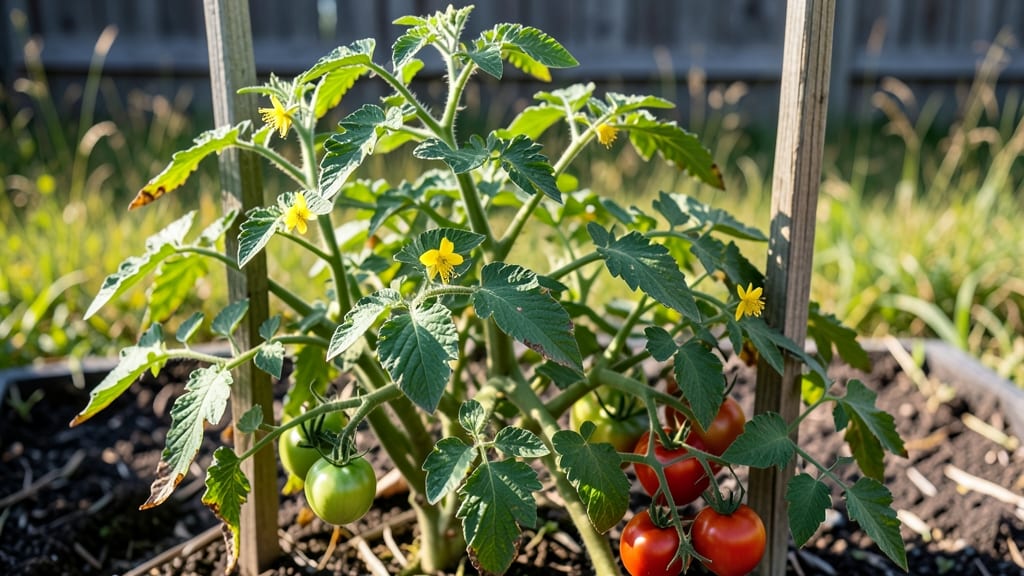
Brown leaf tips on tomato plants can turn a thriving garden into a frustrating mess—unless you know the quick fix. 🌱 I’ve seen this happen more times than I’d like to admit, usually from overwatering or mineral buildup in the soil. The good news?
Most cases are easy to reverse with just a few adjustments. The first step is checking your watering routine—tomatoes hate soggy roots. If the soil stays damp for more than a day, cut back on watering and let the top inch dry out between sessions.
Another common culprit is fluoride or chlorine in tap water; switch to rainwater or distilled water if possible. Within a week, you’ll see new growth pushing out from the center, and those crispy edges will soften into healthy green.
The key is consistency: monitor soil moisture daily and avoid fertilizing until the tips recover. Works for both container and in-ground tomatoes, and the same fix applies to peppers and eggplants too. Let’s get those plants back to their best!
Root Causes of Leaf Stress
When your tomato plants start showing brown leaf tips, it’s often a cry for help—your plants are telling you something’s off. Understanding the why behind these crispy edges is the first step to saving your harvest.
Below, we break down the most common culprits, backed by science, so you can diagnose the issue fast and act with confidence.
Tomatoes are thirsty, but too much water—especially when roots can’t breathe—leads to oxygen deprivation and root rot. When roots suffocate, they struggle to absorb nutrients, causing leaf tips to turn brown and crispy, a condition called edema or waterlogging stress.
- How it happens: Overhead watering (especially in the evening) or soil that stays soggy for days creates a low-oxygen environment. Roots can’t uptake water efficiently, leading to transpiration imbalance—water evaporates from leaves faster than roots can supply it.
- Tell-tale signs:
- Brown, papery tips that curl inward.
- Yellowing between leaf veins (iron deficiency from poor root function).
- Mushy stems or blackened roots if you dig a sample.
- Quick fix: Let the top 1–2 inches of soil dry out between waterings. Use drip irrigation or soaker hoses to deliver water at the base, avoiding wet foliage. Amend heavy clay soil with perlite or compost to improve drainage.
Tomatoes thrive in warmth, but scorching heat (above 90°F/32°C) or dry air causes leaf edges to scorch like a poorly seasoned steak. This happens because:
- Transpiration outpaces absorption: High temperatures increase water loss through leaves, but roots can’t keep up, leading to osmotic stress.
- Salt buildup: In hot, dry conditions, minerals in the soil concentrate at the edges of leaves, causing salt burn.
Pro tip: 💡 Mulch heavily with straw or wood chips to retain soil moisture and reduce temperature swings. If growing in containers, move pots to shadier spots during peak afternoon heat.
Brown, dead-looking tips often signal a calcium deficiency (blossom end rot’s less obvious cousin) or potassium starvation. Here’s how it breaks down:
| Nutrient Deficiency | Leaf Symptoms | Why It Happens |
|---|---|---|
| Calcium (Ca) | Brown, leathery tips that eventually die back; often starts on older leaves. | Calcium is immobile in plants—once absorbed, it can’t relocate. Poor root uptake (due to cold soil, overwatering, or high nitrogen) leaves new growth starved. |
| Potassium (K) | Brown, scorched edges on newer leaves; weak stems. | Potassium regulates water and nutrient transport. Deficiency often occurs when soil is waterlogged (leaching K away) or when plants are over-fertilized with nitrogen (which blocks K uptake). |
| Magnesium (Mg) | Brown spots between veins (older leaves first). | Magnesium helps activate enzymes for photosynthesis. Poor soil structure or high pH locks it out. |
Actionable fixes:
- For calcium: Apply crushed eggshells or calcium nitrate (follow label rates). Side-dress plants with compost or use a balanced fertilizer (10-10-10).
- For potassium: Use wood ash (sparingly) or a potassium-rich fertilizer like greensand. Avoid overwatering after application.
- For magnesium: Spray leaves with Epsom salt solution (1 tbsp/gallon) or amend soil with dolomitic lime.
Not all brown tips are environmental—some are silent sabotage by pests or diseases. Here’s how to spot the difference:
- Spider Mites:
- Tiny yellow/brown speckling on undersides of leaves, followed by crispy edges.
- Cause: These pests pierce cells, sapping moisture and nutrients. Dry conditions (low humidity) make them worse.
- Fix: Blast leaves with water to knock them off. Use neem oil or insecticidal soap for severe infestations.
- Fungal Issues (Early Blight or Septoria Leaf Spot):
- Brown spots with yellow halos that spread inward, often on lower leaves.
- Cause: Fungi thrive in wet foliage (from overhead watering or humid nights). Spores spread via wind or tools.
- Fix: Remove infected leaves immediately. Apply copper fungicide or baking soda spray (1 tsp baking soda + 1 quart water + drop of soap). Water at the base only.
🔥 Pro tip: If you see sticky residue on leaves, aphids or whiteflies might be the culprits—wipe them off with a damp cloth or use soapy water.
If your tomato plants suddenly show brown tips after repotting or heavy pruning, they’re likely suffering from root stress. Here’s the science:
- Root disruption: Disturbing roots (even gently) reduces water and nutrient uptake for days or weeks. New root growth takes time to compensate.
- Pruning trauma: Over-pruning removes photosynthetic leaf area faster than the plant can recover, leading to osmotic stress.
- Signs to watch for:
- Brown tips on multiple leaves appearing suddenly.
- Wilting despite moist soil (roots can’t absorb water efficiently).
- Slow recovery even after adjusting care.
Reco
Fixing Brown Leaf Tips Fast
Now that you know the likely culprits behind those unsightly brown leaf tips on your tomato plants, it’s time to roll up your sleeves and get them back to healthy, lush green! The good news?
Most fixes are simple, cost-effective, and can be done in just a few minutes. Below, we’ve matched each common cause to a practical solution—plus tips to keep your plants thriving long-term.
If your tomato plants are sitting in soggy soil, their roots can’t breathe, leading to brown, crispy leaf edges. Here’s how to fix it:
- 🔥 Step Back on the Watering Let the top 1–2 inches of soil dry out between waterings. Stick your finger in the soil—if it’s damp past your first knuckle, wait another day.
- 🍳 Improve Drainage If your pots lack drainage holes, transfer your plants to containers with holes or add a layer of gravel at the bottom. For in-ground plants, amend the soil with compost or perlite to loosen it up.
- 👨🍳 Water at the Base Avoid overhead watering (like from a hose or sprinkler), which can encourage fungal issues. Water directly at the soil line to keep leaves dry.
- ⏰ Schedule Smart Water in the early morning so foliage has time to dry before evening. Wet leaves at night = fungal party.
💡 Pro Tip: If your plant is already struggling, prune the worst-affected leaves to redirect energy to healthier growth.
Brown, brittle tips from over-fertilizing or salty soil? Your plants are basically getting a chemical sunburn. Here’s how to reverse it:
- 🔥 Stop Fertilizing Immediately Hold off on any nitrogen-heavy or high-salt fertilizers (like blood meal or synthetic blends) for 2–3 weeks to let the soil recover.
- 🍳 Flush the Soil Water the plant thoroughly for 10–15 minutes to leach out excess salts. Repeat every few days until the runoff water looks clear.
- 👨🍳 Switch to Organic Once recovered, use a balanced, organic fertilizer (like fish emulsion or compost tea) and dilute it to half-strength to avoid repeat burns.
- ✨ Soil Test First If this keeps happening, grab a DIY soil test kit (available at garden centers) to check pH and nutrient levels.
Crispy, brown edges can also mean your plants are parched or struggling with heat. Here’s how to bring them back:
- 🔥 Water Deeply & Often Tomato plants need 1–2 inches of water per week, especially in hot weather. Water slowly and deeply to encourage deep root growth.
- 🍳 Mulch Like a Pro Spread 2–3 inches of mulch (straw, wood chips, or grass clippings) around the base to retain moisture and protect roots from temperature swings.
- 👨🍳 Provide Shade If your area hits 90°F+, use shade cloth (30–50%) or a lightweight row cover during peak afternoon sun to prevent scorching.
- 🌡️ Adjust Watering for Heat In extreme heat, water twice daily—once in the morning and once in the late afternoon—to keep roots cool.
💡 Pro Tip: If your plant is severely wilted, submerge the pot in water for 10–15 minutes to fully rehydrate the roots.
If brown tips are paired with yellowing, spots, or mold, a fungus might be the culprit. Act fast to stop the spread:
- 🔥 Prune Infected Leaves Use sterilized pruners (wipe with rubbing alcohol) to snip off brown or spotted leaves—don’t compost them! Toss in the trash.
- 🍳 Apply Fungicide Spray with a copper fungicide or neem oil solution (1 tbsp neem oil + 1 tsp mild soap per quart of water). Reapply every 7–10 days.
- 👨🍳 Improve Airflow Space plants 18–24 inches apart and stake tomatoes to prevent leaves from touching the ground (where spores lurk).
- ⏰ Water Early Always water before 10 AM so leaves dry by nightfall—fungi love damp, dark conditions.
💡 Pro Tip: Baking soda spray (1 tsp baking soda + 1 quart water + a drop of soap) can help prevent fungal growth naturally.
If brown tips appear along with yellowing between veins, your plant might be lacking magnesium, calcium, or potassium. Fix it with:
- 🔥 Epsom Salt for Magnesium Mix 1 tbsp Epsom salt per gallon of water and spray on leaves weekly for 2–3 weeks.
- 🍳 Crushed Eggshells for Calcium Dry and crush eggshells, then sprinkle around the base (or blend into compost) to prevent blossom-end rot and leaf tip burn.
- 👨🍳 Banana Peel Tea for Potassium Steep chopped banana peels in water for 24 hours, then use the liquid as a foliar spray or soil drench.
- ✨ Compost Tea Boost Brew compost tea (steep compost in water for 24–48 hours, strain) and use it as a weekly foliar feed.
Once your tomato plants are back in shape, keep them healthy with these easy maintenance habits:
✅ Water wisely – Deep and infrequent > shallow and daily. ✅ Test soil – Aim for pH 6.0–6.8 and balanced nutrients. ✅ Mulch heavily – Retains moisture and regulates temperature. ✅ Rotate crops – Don’t plant tomatoes in the same spot yearly to prevent soil depletion. ✅ Inspect regularly – Catch brown tips early before they spread!
With these fixes, your tomato plants should bounce back in no time—and you’ll be on your way to a bountiful, brown-tip-free harvest! 🍅🌿
Frequently asked questions
Why do my tomato plants get brown leaf tips even when I water them regularly?
Overwatering is a common cause—roots need oxygen too! When soil stays soggy, roots suffocate and can't absorb nutrients, causing brown, crispy edges. Check soil moisture by sticking your finger 1-2 inches deep; water only when dry. Also test your water source—chlorine or fluoride buildup can stress plants.
Can brown leaf tips spread to other parts of the plant?
Yes, if left untreated, brown tips can spread to entire leaves and eventually weaken the whole plant. The good news is that catching it early makes recovery much faster. Prune affected leaves immediately to redirect energy to healthy growth and address the root cause (watering, nutrients, or pests).
How can I tell if my tomato plant has a nutrient deficiency vs. overwatering?
Nutrient deficiencies often show as brown tips with yellowing between veins (especially older leaves for calcium/magnesium, newer leaves for potassium). Overwatering causes crispy, papery edges that curl inward. Dig up a small root sample—healthy roots are firm and white; mushy or black roots mean overwatering.
Will pruning brown leaves help my tomato plant recover faster?
Pruning removes the plant's energy drain from damaged leaves, allowing it to focus on new growth. Use sterilized scissors to cut just above a leaf node (where new leaves grow). For severe cases, remove up to 1/3 of affected foliage, but avoid over-pruning—keep at least 6-8 strong leaves per plant.
Can I save tomato plants with completely brown leaves?
It depends! If only the tips are brown but the rest of the leaf is green, recovery is likely. However, if entire leaves are brown and crispy, the plant may be too stressed to save. Check for new growth at the stem base—if you see green shoots, keep caring for it. For hopeless cases, focus on preventing the issue in next year's plants.