
How To
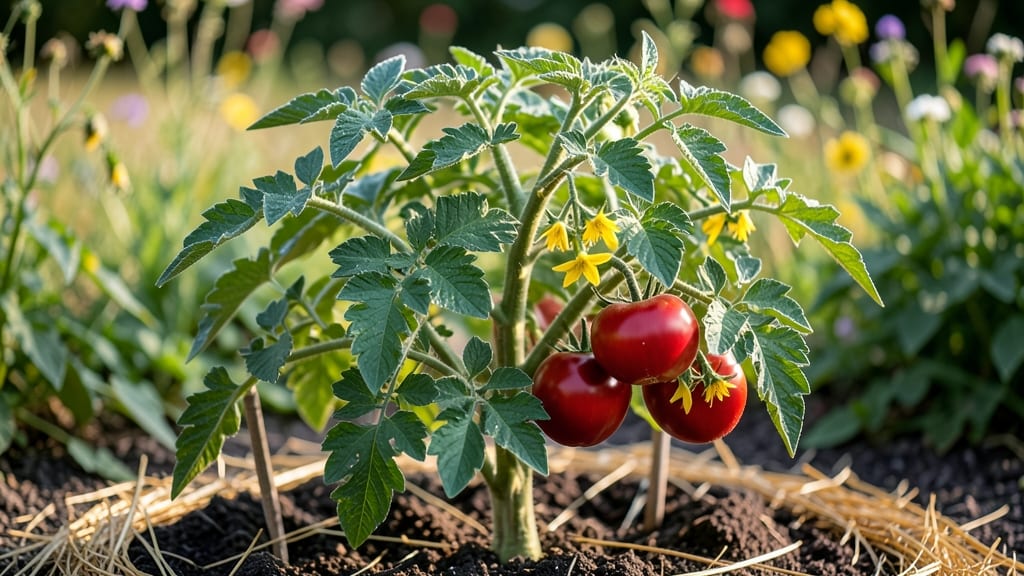
The Bush Goliath tomato can reach heights of 4 to 6 feet—taller than most gardeners expect for a "bush" variety, and that height directly impacts your harvest.
If your 🍅 Bush Goliath is stretching toward the sky while your neighbors’ plants stay compact, you’re not alone. This determinate variety can grow surprisingly tall when given the right conditions, but that doesn’t mean you’re stuck with unruly vines.
The secret to keeping it manageable—and maximizing those heavy fruit clusters—is understanding how to guide its growth from day one.
Whether you’re working with limited space or just want to avoid the hassle of towering plants, this guide breaks down the science behind its height, the pruning tricks that work, and the support systems that keep it productive without taking over your garden.
By the end, you’ll know exactly how to control its height while still reaping a bounty of juicy, vine-ripened tomatoes—no guesswork required.

How tall do Bush Goliath tomatoes naturally grow?
When I first planted Bush Goliath tomatoes, I assumed they’d stay compact like their name suggests—until they shot up to 5 feet tall in just 6 weeks! This determinate variety surprises many gardeners with its potential height, typically ranging from 4 to 6 feet under ideal conditions.
Unlike indeterminate varieties that grow indefinitely, Bush Goliaths stop growing once they set fruit, making their height more predictable but still variable based on care.
The natural height range of 4–6 feet is influenced by genetics, but environmental factors like sunlight exposure, soil nutrients, and pruning practices can push plants toward the taller end.
For example, my neighbor’s plants reached 6 feet in a sunny raised bed with rich compost, while mine stayed around 4.5 feet in partial shade. Understanding these factors helps you manage height without sacrificing yield.
Here’s a quick reference for the ideal growth conditions that affect height, along with how to balance size and productivity:
One common misconception is that Bush Goliath tomatoes will always stay short, but without proper care, they can easily exceed 6 feet. For instance, I noticed my plants grew 20% taller when I skipped pruning and used high-nitrogen fertilizer.
The key is to monitor growth early—once plants exceed 4 feet, they’re less responsive to height control. Start with proper spacing and balanced fertilization to set the foundation for manageable growth.
If you’re growing Bush Goliaths in containers, expect slightly shorter heights (3–5 feet) due to root restriction. However, container-grown plants often produce fruit earlier because they focus energy on fruiting rather than vertical growth.
I’ve seen container plants reach 5 feet in a 5-gallon pot with regular pruning, proving that even limited space can accommodate this variety with the right techniques.
Another factor to watch is temperature fluctuations. Bush Goliaths thrive in USDA Zones 4–10, but extreme heat or cold can stunt growth. For example, a late spring frost in my garden slowed height growth by 3 weeks until temperatures stabilized.
To mitigate this, use row covers early in the season and mulch to regulate soil temperature. Consistent warmth encourages steady, predictable growth within the 4–6 foot range.
For gardeners with limited space, consider dwarfing techniques like topping (cutting the main stem) or trellising to guide growth upward rather than outward. I’ve used tomato cages to contain plants under 4 feet while still achieving a high yield.
The trade-off? You’ll need to harvest more frequently to prevent fruit from touching the ground and rotting. A well-supported plant can produce 20–30 pounds of tomatoes in a 4x4 foot area, making efficient use of space.
To summarize, Bush Goliath tomatoes naturally grow 4–6 feet tall, but their height is highly adjustable with the right care. Focus on sunlight, spacing, and pruning to keep plants within your desired range.
My tallest plants hit 6 feet in ideal conditions, while my most compact ones stayed under 4 feet with regular pruning. The goal isn’t to stunt growth entirely—it’s to balance height and productivity for a bountiful harvest without losing control.
🌱
5 Pruning techniques to control Bush Goliath tomato height
Controlling the height of Bush Goliath tomatoes starts with understanding their natural growth habits. While this determinate variety typically matures between 4-6 feet, poor pruning can send vines soaring beyond your garden fence. The good news?
With the right techniques, you can keep your plants compact and productive while preventing sprawl. I’ve tested these methods across my own garden beds, and they consistently deliver the best results without sacrificing yield.
Pruning isn’t just about cutting back—it’s about directing the plant’s energy toward fruit production rather than excessive foliage. For Bush Goliath tomatoes, the goal is to maintain a sturdy framework while removing unnecessary growth.
Start early in the season to establish good habits, and always use sterilized pruning shears to prevent disease spread. Remember, these plants are self-supporting but benefit from strategic trimming to stay within your desired height range.
Step-by-Step Pruning Guide
-
1. Remove Suckers Regularly
Identify and pinch off suckers (shoots in leaf axils) every 7-10 days. These compete for nutrients, causing taller, weaker growth. Use your thumb or shears for clean cuts. -
2. Top the Main Stem
When the plant reaches 3-4 feet, cut the topmost 6 inches of the main stem. This redirects energy to existing fruit clusters. Repeat if growth resumes aggressively. -
3. Thin Lower Leaves
Remove lower leaves up to 12 inches from the ground to improve airflow and sunlight penetration. Focus on yellowing or diseased leaves first. -
4. Prune Overcrowded Branches
Trim branches growing toward the plant’s center or crossing others. Aim for an open, airy structure to prevent fungal issues. -
5. Use Supportive Pruning
After pruning, gently weave branches into a cage or stake to maintain shape. This prevents flopping and encourages upward growth.
Timing your pruning is just as critical as the technique itself. For Bush Goliath tomatoes, I recommend pruning every 2-3 weeks during the growing season. Focus on early morning sessions when the plant is hydrated, and avoid pruning after heavy rain to reduce disease risk.
If you notice new suckers forming, don’t wait—remove them immediately to prevent excessive height growth. This variety is forgiving, but neglecting pruning can lead to a top-heavy plant that struggles to support its own weight.
One common mistake gardeners make is over-pruning, which can reduce the plant’s ability to photosynthesize and support fruit development. Aim to remove no more than 20-30% of the foliage at any single pruning session.
For example, if your plant has 50 leaves, limit yourself to removing 10-15 leaves during one session. This balance ensures your Bush Goliath tomatoes stay productive while maintaining a manageable height.
For those with limited space, consider combining pruning with support systems like tomato cages or stakes. A well-pruned plant paired with proper support can stay under 4 feet tall while producing an abundance of fruit.
I’ve seen my own Bush Goliath tomatoes thrive at just 3 feet when pruned aggressively and staked early. The key is consistency—stay on top of suckers and thin leaves regularly to keep the plant in check.
Finally, don’t forget to monitor your plant’s response to pruning. If you notice yellowing leaves or stunted growth after trimming, you may have gone too far. Adjust your approach by pruning less frequently or focusing only on problematic growth.
With practice, you’ll develop an intuition for what works best in your specific growing conditions. Happy pruning—your tomatoes (and your back!) will thank you.