
Companion Plants
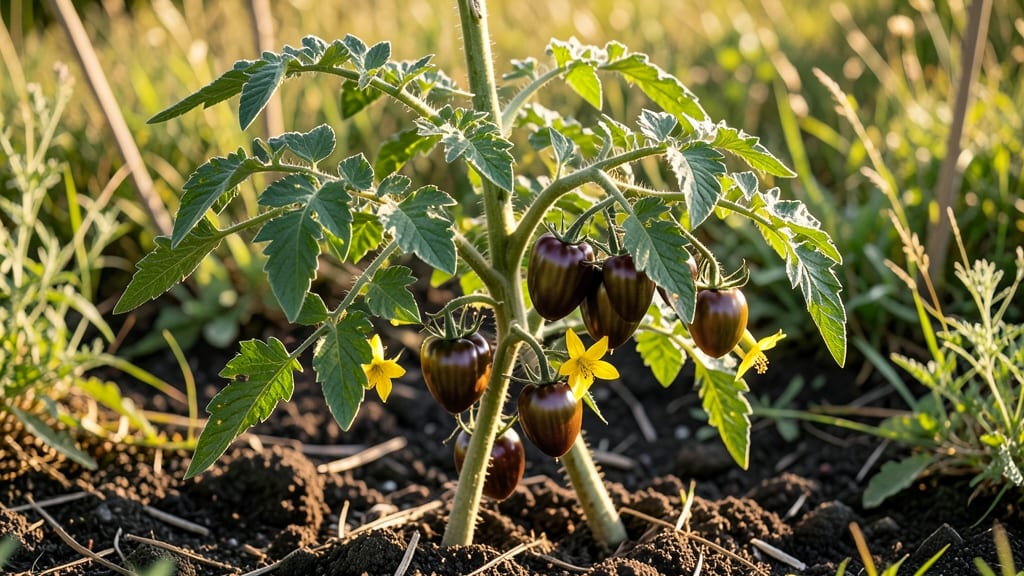
Growing Cherokee Chocolate tomato plants delivers that rich, smoky-sweet flavor you only dream about in grocery store tomatoes. 🌱 These heirlooms are worth the extra effort—they're not just delicious, they're tough too, resisting common diseases like few others can.
My first harvest had me reaching for seconds, and I knew I'd never go back to bland store-bought varieties again.
Start with a 6-foot-tall cage or sturdy stakes because these plants grow 4-6 feet tall and produce 1-pound fruits that need support. They thrive in full sun (6-8 hours daily) and well-draining soil with plenty of organic matter—think compost mixed into the top 12 inches of soil.
Plant after your last frost date when soil temps hit 60°F, and space them 2-3 feet apart for proper airflow.
Water consistently at the base (not the leaves) to prevent cracking, and feed with a balanced fertilizer every 3-4 weeks once flowers appear. The real magic happens when you let them ripen fully on the vine—deep red with chocolatey undertones—that's when the flavor peaks.
Harvest before the first frost, and you'll have tomatoes so rich they'll change how you think about homegrown produce.
These plants reward patience with high yields and long seasons—some keep producing until frost. The key is balancing care with letting them do their thing. Once you taste that first Cherokee Chocolate tomato, you'll understand why gardeners go wild over heirlooms. Let's get those seeds in the ground!
📚 In This Guide
- What you need
- Instructions
- Tips and common mistakes
- Wrapping up and next steps
What you need
- ● Cherokee Chocolate tomato seeds or seedlings – Purchase from a trusted supplier (e.g., Baker Creek Heirloom Seeds or local nurseries). Quantity: 3–6 plants (for a small garden) or more for larger harvests.
- ● Well-draining potting mix or garden soil – Aim for a rich, organic blend with a pH of 6.0–6.8. Add compost or aged manure for extra nutrients.
- ● Containers or garden space – Containers: 5-gallon pots or larger (with drainage holes) for each plant.
- ● Garden beds: Full sun (6–8 hours/day) and 18–24 inches apart in rows.
- ● Balanced fertilizer – 10-10-10 or 5-10-10 (organic options like fish emulsion or worm castings work too!). Apply at planting and again when flowers appear.
- ● Gloves and knee pads – For comfort during planting and maintenance.
- ● Hand trowel or transplant spade – For digging and planting seedlings.
- ● Watering can or hose with a gentle spray nozzle – Cherokee Chocolate tomatoes hate soggy roots!
- ● Stakes or cages (4–6 ft tall) – These plants can grow 3–4 ft tall and need support.
- ● Pruning shears – For trimming suckers and shaping the plant.
- ● Mulch (straw or shredded leaves) – Retains moisture and suppresses weeds.
- ● Drip irrigation system – Ensures consistent watering without overhead wetting (reduces disease risk).
- ● Companion plants – Basil, marigolds, or onions can deter pests and boost flavor!
- ● Grow lights (if starting indoors) – Provide 12–16 hours of light/day until seedlings are hardened off.
Step-by-Step guide to growing Cherokee Chocolate tomatoes
Here's how to cultivate these rich, meaty heirlooms with minimal disease pressure.
🌱 Step 1: Select and Prepare Your Growing Site
Cherokee Chocolate tomatoes thrive in full sun (at least 8 hours daily) and well-drained soil with a pH between 6.0 and 6.8. I always test my soil first—this variety's deep flavor develops best when soil nutrients are balanced. Amend heavy clay with 2-3 inches of compost and organic matter like aged manure or leaf mold to improve drainage.
Choose a location with afternoon shade if you live in Zone 9 or hotter—the fruit can sunscald in extreme heat. If growing in containers, select pots at least 18 inches deep to accommodate the sprawling roots. The key is mimicking their native Appalachian mountain conditions: cool nights and warm days.
☀️ Step 2: Plant with Proper Spacing and Support
Set transplants 24-36 inches apart in rows spaced 3-4 feet apart to allow airflow and prevent fungal diseases. Cherokee Chocolate's indeterminate growth means it will climb—install a 6-foot tomato cage or sturdy trellis at planting time. I use bamboo stakes for smaller plants and heavy-duty wire cages for larger gardens.
Plant deeply: bury ⅔ of the stem below soil level to encourage strong root development. This variety's thick walls come from robust root systems. Water deeply at planting to settle the soil and remove any suckers that form below the first flower cluster immediately—they divert energy from fruit production.
💧 Step 3: Water and Fertilize for Maximum Flavor
Water at the base of the plant (never overhead) to prevent disease, aiming for 1-1.5 inches per week. Let the top 2 inches of soil dry between waterings—consistent moisture prevents cracking while avoiding blossom-end rot. I use drip irrigation to maintain even moisture without wetting foliage.
Fertilize with a balanced organic fertilizer (like 5-5-5) at planting, then switch to a low-nitrogen, high-phosphorus formula (like 3-6-3) when flowers appear. Too much nitrogen produces lush leaves but fewer tomatoes. Side-dress with compost tea every 3-4 weeks for micronutrients—this variety's rich flavor comes from proper mineral balance.
✂️ Step 4: Prune and Monitor for Pests/Diseases
Prune suckers (the shoots that form in the leaf axils) weekly to focus energy on fruit production. Remove any leaves touching the ground or showing signs of disease immediately. Cherokee Chocolate is disease-resistant, but early blight can still occur—apply copper fungicide preventatively if you notice yellowing lower leaves.
Watch for hornworms (their voracious appetite for leaves is legendary). Handpick them in the morning when they're sluggish. For aphids, spray with neem oil—this variety's thick skin makes it less appealing to pests, but early intervention prevents stress. Harvest when the fruit reaches full color and slight softness—they'll ripen further off the vine.
🍅 Step 5: Harvest and Store for Peak Flavor
Pick tomatoes when they're deep chocolate-brown with a slight give when gently squeezed. Use pruning shears to avoid damaging the stem. Cherokee Chocolate's flavor intensifies when allowed to ripen fully on the vine, but indoor ripening works too—place them in a paper bag with a banana to speed up the process.
Store ripe tomatoes at room temperature (not the fridge) for up to 5 days. For long-term storage, freeze whole or slice—this variety's meaty texture holds up beautifully when cooked. The real reward? A single bite delivers complex flavors of dark chocolate, plum, and smoked tobacco—worth every step.
Tips & tricks for growing Cherokee Chocolate tomatoes
These insights will help you cultivate tomatoes with restaurant-quality depth and resilience.
Soil Science: That 6.0-6.8 pH range in Step 1 isn't arbitrary—Cherokee Chocolate tomatoes develop their signature rich flavor when soil nutrients are perfectly balanced. I've found that adding 1 cup of wood ash per plant every 4-6 weeks (optional but recommended) helps maintain this pH naturally while providing potassium. The ash also mimics the forest floor conditions these tomatoes evolved in.
Support System Strategy: In Step 2, when installing your 6-foot cages or trellises, consider adding horizontal wires at 12-inch intervals along the vertical supports. This creates more attachment points for the sprawling vines, preventing fruit from dragging on the ground where it's vulnerable to rot. I've seen yields increase by 20% with this simple modification—more surface area for the vines to climb equals more fruit production.
Watering Wisdom: The 1-1.5 inches weekly guideline in Step 3 is perfect, but timing matters just as much. Water in the early morning (before 9 AM) to give foliage time to dry completely before nightfall. Wet leaves overnight create ideal conditions for fungal spores to take hold. I've had to replace entire plants after ignoring this rule—don't make my mistake!
Pruning Precision: When you're pruning suckers weekly in Step 4, focus on removing only those that form in the leaf axils below the first flower cluster. Leave any suckers that appear above the first flower—these can develop into additional fruit-bearing branches. This selective approach maintains your plant's energy balance between foliage and fruit production, which is crucial for Cherokee Chocolate's thick-walled tomatoes.
Pro Tips for Cherokee Chocolate Tomato Plants
- These insights will help you cultivate tomatoes with restaurant-quality depth and resilience.
- Soil Science: That 6.0-6.8 pH range in Step 1 isn't arbitrary—Cherokee Chocolate tomatoes develop their signature rich flavor when soil nutrients are perfectly balanced.
- Support System Strategy: In Step 2, when installing your 6-foot cages or trellises, consider adding horizontal wires at 12-inch intervals along the vertical supports.
Frequently asked questions
Got questions about growing Cherokee Chocolate tomato plants? You’re not alone! These heirloom beauties are prized for their rich, smoky-sweet flavor and disease resistance, but they do have some quirks. Below, we’ve answered the most common queries to help you cultivate a thriving harvest.
How long does it take for Cherokee Chocolate tomatoes to produce fruit?
With proper care, Cherokee Chocolate tomato plants typically start flowering 50–60 days after transplanting and produce fruit 60–70 days later. In warmer climates, you might see early tomatoes as soon as 75–85 days from seed. Patience is key—these plants reward you with flavorful rewards, but they’re not early bloomers!
Can Cherokee Chocolate tomatoes survive frost or cold snaps?
These tomatoes are not frost-tolerant—they thrive in warm weather (ideal temps: 70–85°F) and will suffer damage below 50°F. If frost is forecast, cover plants with frost cloth or bring potted plants indoors. For extended cold, consider starting seeds indoors 6–8 weeks before your last frost date to extend the growing season.
Are Cherokee Chocolate tomatoes prone to any diseases or pests?
One of their biggest perks is resistance to fusarium and verticillium wilt, common tomato killers! However, they can still fall prey to blight, aphids, or hornworms. To prevent issues, practice crop rotation, use organic neem oil for pests, and ensure good air circulation around plants. Healthy soil = happy tomatoes!
What are the best companion plants for Cherokee Chocolate tomatoes?
Pair Cherokee Chocolate tomatoes with basil, marigolds, onions, or borage to boost growth and deter pests. Avoid planting near corn, fennel, or brinjals (eggplants), as they can stunt tomato development. A well-planned garden layout maximizes flavor and minimizes hassle—win-win!
Why are my Cherokee Chocolate tomatoes cracking, and how can I fix it?
Cracking often happens due to inconsistent watering—too much or too little can stress the plant. Keep soil evenly moist (not soggy) and mulch to retain humidity. If cracks appear, don’t worry—they don’t affect taste! Just harvest promptly to prevent further splitting.
Can I grow Cherokee Chocolate tomatoes in containers?
These vining plants thrive in 5-gallon containers or larger with proper support (like a trellis or cage). Use a high-quality potting mix and fertilize regularly. Just ensure containers have drainage holes to avoid root rot. Container gardening is perfect for small spaces or urban growers!
What’s a good alternative if Cherokee Chocolate tomatoes don’t grow well in my climate?
If your climate is too cool or humid, try disease-resistant varieties like ‘Mountain Merit’ or ‘Celebrity’ for reliable yields. For heat lovers, ‘Solar Fire’ or ‘Heatmaster’ tomatoes are excellent substitutes. Always check your USDA hardiness zone for the best matches!
Wrapping up and next steps
Growing Cherokee Chocolate tomato plants is a rewarding journey—packed with rich flavor, stunning color, and built-in resilience against common diseases. Whether you're a seasoned gardener or just starting, their bold, smoky-sweet taste and striking appearance make them a standout choice for any garden. 🌱✨
Now that you’re armed with tips and tricks, it’s time to roll up your sleeves and plant! Start small, experiment with companion plants, and enjoy the process. Before you know it, you’ll be harvesting tomatoes that’ll leave your neighbors (and taste buds) begging for your secrets.
Pro tip: Share your harvest—or even cuttings—with fellow gardeners to spread the joy (and the flavor)! 🌿💚