
Planting
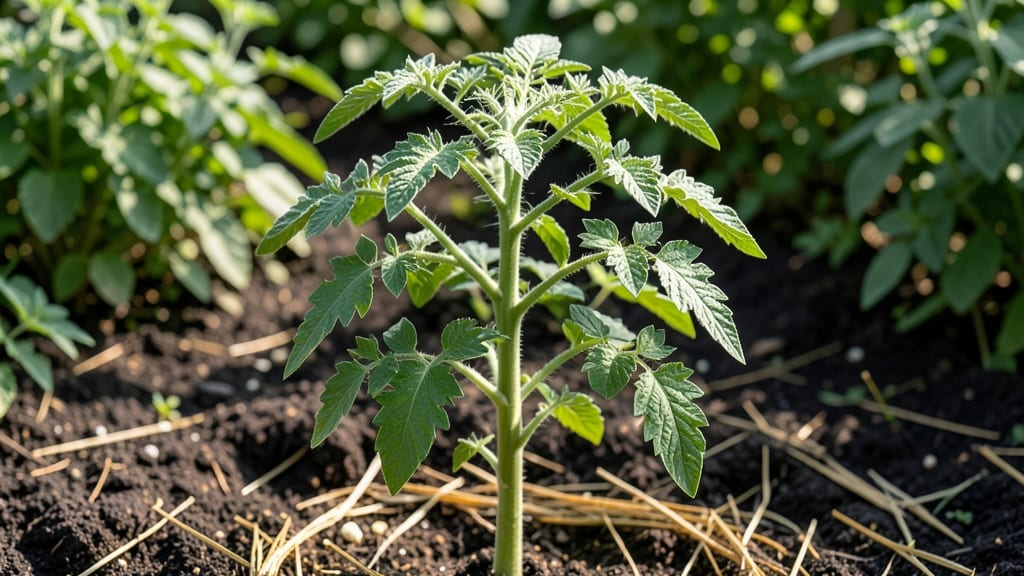
Those first tiny green sprouts mean your cherry tomatoes are on their way—fast germination is all about keeping them cozy and consistent. 🌱 I’ve watched my seedlings go from specks to sturdy plants in just 10 days by mastering light, warmth, and moisture, and you can too.
The key is warmth: keep soil at 75-85°F (a heat mat helps) and place trays in bright, indirect light. Overwatering is the silent killer—let the top inch of soil dry slightly between waterings to avoid damping off, that sneaky fungal disease.
You’ll know they’re thriving when the first true leaves (not those tiny seed leaves) appear, about 1-2 weeks in. At this stage, they’re ready for a gentle nutrient boost—just a diluted fish emulsion or compost tea to fuel that growth.
Once they’ve got 3-4 sets of leaves, they’re ready for transplanting. But don’t rush—wait until nighttime temps stay above 50°F to avoid shock. Here’s how to prep them for the next phase!
📚 In This Guide
- What you need
- Instructions
- Tips and common mistakes
- Wrapping up and next steps
What you need
- ● Cherry tomato seeds: 50–100 seeds (organic, non-GMO preferred for best results).
- ● Seed-starting mix: 2–3 quarts of sterile, well-draining potting soil (avoid garden soil—it’s too dense!).
- ● Containers: Seed trays with drainage holes (10–20 cells) OR
- ● Small pots (3–4 inches deep) or recycled containers (yogurt cups, egg cartons).
- ● Watering can or spray bottle: Fine mist setting to avoid disturbing seeds.
- ● Plastic wrap or humidity dome: To retain moisture and warmth.
- ● Grow lights or sunny windowsill: 6–8 hours of light daily (south-facing window or LED grow lights).
- ○ Heat mat (optional but helpful): 70–80°F range to speed germination.
- ● Labels & markers: To track seed varieties (or use toothpicks + tape!).
- ● Fertilizer: Balanced liquid fertilizer (5-5-5 or 10-10-10) for post-sprout feeding.
- ● Tweezers or popsicle sticks: For gentle seed placement.
- ○ Fan (small, optional): To prevent damping-off disease by improving airflow.
- ● 🌡️ Warmth hack: Place containers in a warm spot (like on top of the fridge) to germinate faster!
- ● ✨ Soak seeds: Pre-soak seeds in warm water for 4–6 hours to jumpstart sprouting.
- ● 💧 Moisture check: Keep soil damp (not soggy)—press your finger in; it should feel like a wrung-out sponge.
Step-by-step instructions for fast cherry tomato germination
Here’s how I get cherry tomato seeds sprouting in 5-7 days instead of the usual two weeks.
🌱 Step 1: Prep Seeds for Faster Germination
Cherry tomato seeds have a tough outer shell that slows sprouting. To speed things up, soak them in lukewarm water for 12-24 hours before planting. Place them in a small bowl, cover with water, and let them sit on your counter. You’ll see the seeds swell slightly—this signals they’re ready to break through the soil faster.
After soaking, drain the seeds and let them dry for 10-15 minutes on a paper towel. This prevents them from rotting in damp soil. I like to plant them right away while they’re still moist but not dripping. The key here is consistency—don’t let them dry out completely before planting.
💧 Step 2: Plant in Warm, Moist Soil
Fill your seed trays with sterile seed-starting mix (never garden soil—it’s too dense and can harbor diseases). Moisten the mix until it’s damp but not soggy, like a wrung-out sponge. Press it gently into the tray to remove air pockets, then use a pencil or your finger to make ¼-inch-deep holes—about twice the seed’s diameter.
Drop 2-3 seeds per hole (you’ll thin later) and cover lightly with a sprinkle of mix. The goal is to bury them just enough so they don’t dry out but not so deep they struggle to reach light. Tap the tray gently to settle the soil, then mist the surface with water until it’s evenly damp. A spray bottle works best—it won’t disturb the seeds like a heavy watering can.
☀️ Step 3: Create a Warm, Humid Environment
Cherry tomatoes germinate fastest at 75-85°F. Place your seed tray on a seedling heat mat (or on top of your fridge, which stays warm) to maintain that temperature. If you don’t have a heat mat, cover the tray with a clear plastic dome or plastic wrap to trap warmth and humidity. Check daily—you’ll see condensation on the cover, which is a good sign.
Keep the soil consistently moist but never waterlogged. Overwatering now can cause damping-off, a fungal disease that turns seedlings to mush overnight. If the soil feels damp to the touch, wait before watering again. Once 50% of seeds sprout, remove the cover immediately to prevent mold. You’ll see tiny green hooks (the sprouts) poking through in 5-7 days—that’s your reward for the warm-up.
⏰ Step 4: Provide Light and Prevent Legginess
The moment sprouts appear, move them to bright, indirect light (a south-facing window or grow light). Cherry tomato seedlings need 14-16 hours of light daily to grow strong. If using a grow light, position it 2-4 inches above the plants—close enough to see their leaves slightly wilt when you turn it on, but not so close it burns them.
Watch for leggy seedlings (thin, stretched stems with small leaves). This happens when light is too weak or too far away. If you see this, lower the light immediately or move the tray to a brighter spot. Strong seedlings have thick stems, deep green leaves, and compact spacing between leaves. Rotate the tray a quarter turn daily so they grow straight, not lopsided.
Tips & tricks for perfect cherry tomato sprouts
These little tricks will help you skip the two-week wait and get those green hooks popping through in record time.
Soaking Secret: The 12-24 hour soak isn't just about hydration—it's about breaking dormancy. I like to add a pinch of sea salt to the lukewarm water (just a tiny pinch!) to prevent bacterial growth during that critical soaking period. After draining, I pat them dry on a paper towel and plant immediately while they're still slightly damp. This keeps the moisture balance perfect for germination.
Temperature Matters: Those 75-85°F guidelines aren't arbitrary—they're the sweet spot for tomato seed enzymes to activate. If your home runs cooler, place the seed tray on top of your fridge (not inside!) for that extra warmth boost. I've seen germination times drop from 10 days to 5 just by adding this simple heat source. The moment you see condensation on your plastic cover, you're right on track.
Light Strategy: The 14-16 hours of light requirement is non-negotiable for strong seedlings, but here's the pro move: use a timer for your grow light. Set it to come on at 6am and turn off at 10pm—this mimics natural daylight cycles and prevents leggy growth. I position my light just close enough that the seedlings look like they're reaching up for it when it's off, but never touching it when it's on.
Thinning Hack: Once you see those first sprouts, wait until you have at least 50% germination before thinning. Use a pair of clean scissors to snip the weaker seedlings at soil level rather than pulling them—this prevents disturbing the roots of your keepers. I always leave the strongest, most upright sprout in each hole, even if it means thinning down to just one per hole eventually.
Pro Tips for Cherry Tomato Plant Sprouts
- These little tricks will help you skip the two-week wait and get those green hooks popping through in record time.
- Soaking Secret: The 12-24 hour soak isn't just about hydration—it's about breaking dormancy.
- Temperature Matters: Those 75-85°F guidelines aren't arbitrary—they're the sweet spot for tomato seed enzymes to activate.
Frequently asked questions
Got questions about coaxing those cherry tomato plant sprouts to pop faster? You’re not alone! Here are the answers to the most common queries—so you can troubleshoot, time things right, and avoid rookie mistakes.
How long does it take for cherry tomato seeds to sprout?
With the right conditions (warmth, moisture, and light), cherry tomato seeds typically sprout in 5–10 days. If your soil stays consistently 70–85°F and moist, you’ll see those first green sprouts peeking through in about a week. Patience is key—don’t overwater or disturb the soil while waiting!
What if my cherry tomato seeds aren’t sprouting after 2 weeks?
Don’t panic! First, check if your seeds are still viable by testing a few in a damp paper towel (they should sprout in 3–5 days). If not, your seeds may be old or stored improperly. Try soaking seeds overnight before replanting, or adjust your setup: ensure the soil is warm (use a heat mat if needed), keep it consistently moist (not soggy), and provide bright, indirect light.
Can I plant cherry tomato seeds directly outside, or should I start indoors first?
For a head start, indoor sowing 6–8 weeks before your last frost date is ideal—especially in cooler climates. Cherry tomatoes thrive in warmth, so starting them inside gives delicate sprouts a fighting chance. Once they’ve got 2–3 true leaves and night temps stay above 50°F, transplant them outdoors after hardening off for 7–10 days.
Why are my cherry tomato sprouts leggy or weak?
Leggy sprouts usually mean they’re stretching for light. If your seedlings are leaning or pale, move them closer to a sunny window or grow light (12–16 hours of light daily). Avoid overcrowding—thin seedlings to 1–2 inches apart for better airflow. Once outdoors, ensure they get 6–8 hours of sunlight and use a balanced fertilizer (like 10-10-10) to boost strength.
Are there fast-growing cherry tomato varieties for quicker harvests?
If you’re short on time, opt for determinate varieties like ‘Tiny Tim’ or ‘Sweet 100’—they mature in 50–60 days and produce compact bushes. For heat tolerance and speed, try ‘Sun Gold’ (orange cherry tomatoes) or ‘Super Sweet 100.’ Always check seed packets for days to maturity to plan ahead!
Wrapping up and next steps
Watch those cherry tomato plant sprouts emerge with confidence—you’ve got this! 🌱 With the right tricks, like warm soil, proper moisture, and a dash of patience, you’ll be harvesting sweet, juicy tomatoes in no time.
Now’s the perfect moment to transplant your sprouts into larger pots or your garden bed, giving their roots room to thrive.
🌿 Next Steps:
- Monitor soil moisture—keep it consistently damp but not soggy.
- Provide sunlight—6+ hours daily for robust growth.
- Fertilize lightly once sprouts have 2-3 true leaves.
Happy growing—your garden is about to get a whole lot tastier! 🍅✨