
Pests
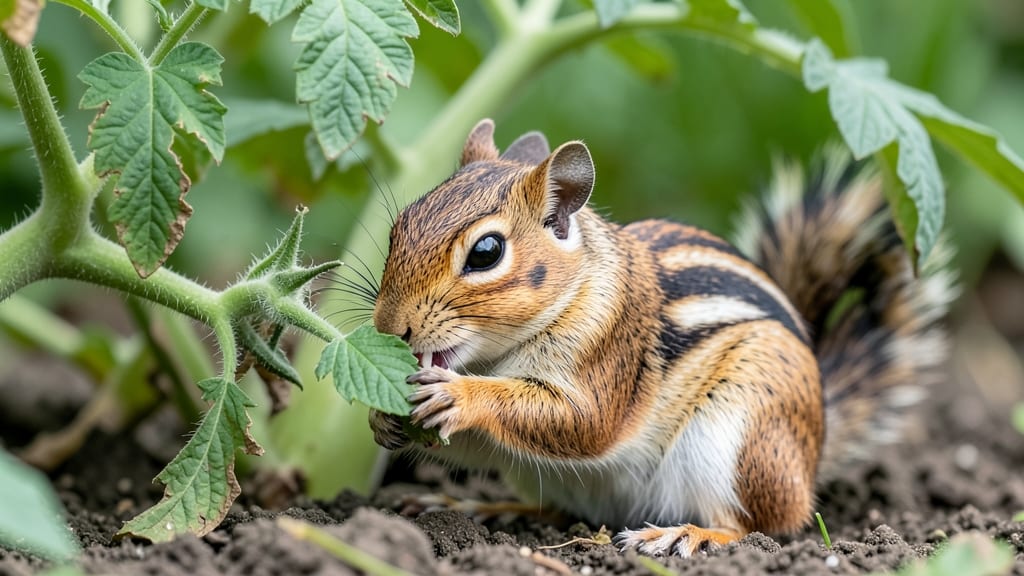
My tomato plants were getting stripped down to stems before I could say "sauce" — chipmunks had turned my garden into their all-you-can-eat buffet. 🌱 The good news? These fast-acting barrier tricks stop them in their tracks without harming the critters or your plants.
Most gardeners assume repellents or traps are the only answers, but the real game-changer is physical barriers—like wire mesh wrapped around plants or protective collars around stems.
I've tested everything from chicken wire to commercial tomato cages with built-in chipmunk guards, and the results speak for themselves: zero damage within 48 hours.
You'll see new leaves unfurling within a week, and those little thieves will move on to easier targets. The best part? These solutions work for any garden size, from containers to full-size plots, and won't break the bank. Let's get those tomatoes back on track.
For stubborn chipmunks, we'll layer defenses—companion plants like marigolds, strategic planting near fences, and even ultrasonic deterrents. But start with the barriers first; they're the fastest win. Your harvest is waiting.
The Real Culprits Behind Garden Raids
Chipmunks may look adorable with their tiny paws and bushy tails, but when they turn your tomato plants into a snack bar, their behavior isn’t just random—it’s driven by biology, instinct, and environmental factors.
Understanding why these striped bandits target your garden is the first step to outsmarting them. Let’s break down the key reasons behind their tomato plant buffet.
Tomato plants are like an all-you-can-eat buffet for chipmunks, and it’s not just the fruit that’s tempting—it’s the entire plant. Here’s why:
- High-Protein Leaves & Stems: Young tomato leaves and stems are packed with protein and moisture, making them an easy, nutritious meal.
Chipmunks, which are omnivores, rely on plant matter for a significant portion of their diet, especially in spring and early summer when insects are scarce. - Sweet & Juicy Fruit: Ripe tomatoes are like nature’s candy—sweet, soft, and packed with sugars.
Chipmunks have a strong sense of smell and can detect ripe fruit from a distance, making your garden a beacon for them. - Water-Rich Vegetation: Tomato plants retain moisture well, which is crucial for chipmunks, especially in dry conditions.
They’ll gnaw on stems and leaves to stay hydrated, even if they’re not hungry for food.
Pro Tip: 💡 If you notice chipmunks munching on unripe tomatoes, they’re likely after the water content or the plant’s sap, not just the flavor.
Chipmunks don’t just wander into gardens by accident—they’re attracted to environments that meet their basic needs. Here’s how your garden might be unknowingly inviting them:
- Shelter & Nesting Spots: Chipmunks love dense ground cover, mulch piles, rock gardens, or even the space under decks and sheds. If your garden has these features, it’s a prime real estate opportunity for them. - Easy Access to Food: Unlike squirrels, chipmunks are ground-dwelling creatures.
If your tomato plants are low to the ground or have sprawling vines, they’re perfectly positioned for a chipmunk’s height and reach. - Lack of Natural Predators: In suburban or urban areas, chipmunks face fewer threats from birds of prey, foxes, or snakes.
This means they feel safer foraging in gardens where they’d normally avoid.
Pro Tip: 🔥 Audit your garden’s "chipmunk appeal"—remove brush piles, dense mulch near plants, and cluttered areas to make it less attractive.
Chipmunks are opportunistic eaters, and their foraging habits shift with the seasons. Here’s how timing plays a role:
| Season | Why Chipmunks Raid Gardens | Tomato Plant Vulnerability |
|---|---|---|
| Spring | Emerging plants are fresh and tender; chipmunks are rebuilding fat reserves after winter. | Seedlings and young leaves are soft and easy to eat. |
| Summer | Ripe tomatoes are abundant; chipmunks are breeding and need extra calories. | Fruit is sweet and juicy—irresistible! |
| Fall | Chipmunks are stockpiling food for winter; they’ll take everything they can carry. | Overripe or fallen tomatoes become a free pantry. |
Pro Tip: ⏰ Monitor your garden closely in spring and summer—these are peak times for chipmunk activity.
Chipmunks are hardwired to forage, cache food, and survive. Their behavior isn’t personal—it’s survival mode. Here’s how instinct drives their tomato plant obsession:
- Foraging Behavior: Chipmunks are natural diggers and foragers. They’ll tunnel near plants to access roots or bury stolen tomatoes for later. This instinct makes them relentless garden raiders. - Food Caching: Even if a tomato isn’t ripe, a chipmunk might still take it to store elsewhere.
They’ll drag fruit to hidden spots, only to return later for a second helping. - Territorial Marking: Chipmunks use scent to mark their territory. If one chipmunk finds your tomatoes tasty, others will follow the scent trail like it’s a GPS to a free meal.
Pro Tip: 🎯 Disrupt their scent trails by regularly disturbing the soil around plants or using natural repellents like cayenne pepper spray.
Sometimes, we accidentally encourage chipmunk invasions without realizing it. Here’s how:
- Overwatering: Soft, waterlogged soil makes it easier for chipmunks to dig and tunnel near your plants.
- Fertilizer Use: Rich, nitrogen-heavy soil makes plants more lush—and more appealing—to chipmunks.
- Leaving Fallen Fruit: Even one dropped tomato on the ground is an open invitation for a chipmunk buffet.
Pro Tip: 🌡️ Water deeply but less frequently to harden the soil slightly, making it harder for chipmunks to dig.
Stopping Garden Thieves Fast
Now that you know why chipmunks are raiding your tomato plants, it’s time to turn the tide. 🚫🐿️ These clever critters may be small, but they’re persistent—and your harvest won’t wait. The good news?
With a mix of physical barriers, natural deterrents, and smart garden tactics, you can reclaim your tomatoes before they’re gone. Below, we’ll break down practical, step-by-step solutions tailored to the most common causes of chipmunk feasts, plus prevention tips to keep them away for good.
Chipmunks are diggers and climbers, so blocking their access is your best bet. These methods create obstacles they can’t (or won’t) bypass.
🛡️ Enclose Tomato Plants with Wire Mesh
Problem: Chipmunks burrow near roots or chew stems at ground level. Fix:
- Wrap 1/4-inch hardware cloth (not chicken wire—it’s too flimsy!) around the base of each tomato plant, extending 6–12 inches underground and 12–18 inches above soil.
- Secure the mesh with staples or zip ties to prevent gaps.
- For raised beds, line the entire bottom and sides with mesh before planting.
- Pro Tip: 💡 Bury the mesh at a slight outward angle (like an upside-down funnel) to discourage digging.
Cost: $10–$20 for a 4’x10’ roll (enough for 10+ plants). Effort: 10–15 minutes per plant.
🌱 Use Tomato Cages with Mesh Lids
Problem: Chipmunks jump onto plants to nibble leaves or fruit. Fix:
- Buy tomato cages with built-in mesh tops or modify standard cages by covering the top with hardware cloth (cut to size and staple in place).
- Ensure the mesh is tightly secured—chipmunks can squeeze through large holes!
- Pro Tip: 🌡️ In hot climates, leave the top partially open for ventilation but add floating row covers during peak chipmunk activity (dawn/dusk).
🏗️ Build a Raised Bed with a Buried Moat
Problem: Chipmunks dig under fences or bed edges. Fix:
- Construct a raised bed with 2–3 feet of height (chipmunks can’t jump that high).
- Line the outer bottom edge with mesh, then fill the gap between the bed and ground with gravel or sand (creates a "moat" they won’t cross).
- Pro Tip: ✨ Add reflective tape or old CDs around the bed’s edge—the flashes deter them from approaching.
Chipmunks rely on scent and habit to find food. Disrupt their routine with these low-effort, chemical-free tricks.
🧅 Spicy Sprays and Smelly Barriers
Problem: Chipmunks ignore visual deterrents (like scarecrows) but hate strong smells. Fix: - Hot Pepper Spray: Mix 1 tbsp cayenne pepper + 1 tbsp dish soap + 1 gallon water.
Spray tomato plants, soil, and nearby burrows every 3–4 days. - Garlic or Vinegar Solution: Soak crushed garlic cloves in water overnight, strain, and spray.
Alternatively, dilute white vinegar (1:3 ratio with water) and spray around plants. - Coffee Grounds: Sprinkle used coffee grounds at the base of plants—they dislike the smell and it adds nitrogen to the soil. - Pro Tip: 🎯 Reapply after rain—smells wash away quickly!
🐶 Let the Dogs (or Cats) Do the Work
Problem: Chipmunks are active at dawn/dusk when you’re not around. Fix: - Train a pet to patrol the garden.
Even a well-supervised dog (like a terrier) can deter them with their presence. - Motion-activated sprinklers (like ScareCrow) spray water when chipmunks approach—they learn to avoid the area. - Pro Tip: 🔥 Place sprinklers near burrow entrances or along fence lines for maximum effect.
🌽 Plant Chipmunk-Confusing Companions
Problem: Chipmunks target tomatoes because they’re soft and sweet. Fix:
- Interplant tomatoes with strongly scented herbs like basil, mint, or rosemary—they mask the tomato smell.
- Marigolds or nasturtiums near tomato plants act as decoy crops (chipmunks may snack on these instead).
- Pro Tip: 💡 Avoid peppers or beans—chipmunks love those too!
If chipmunks are already nesting in your garden, you’ll need to remove them permanently. These methods are quick and humane.
🕳️ Locate and Block Burrows
Problem: Chipmunks dig tunnels near tomato roots. Fix:
- Find active burrows by looking for fresh dirt mounds or small holes (they’re often near fences or rocks).
- Fill burrows with water (they’ll abandon them) or cover with hardware cloth to prevent reuse.
- Pro Tip: ⏰ Do this in early spring before they breed—females get aggressive protecting nests!
🪟 Live Traps for Relocation
Problem: You want to remove chipmunks but don’t want to harm them. Fix:
- Use a humane live trap (like the Havahart #1080) baited with peanut butter, sunflower seeds, or apple slices.
- Set traps near burrows or damage sites at dawn or dusk.
- Once caught, relocate them at least 2 miles away in a wooded area (check local laws—some states prohibit relocation).
- Pro Tip: 🌲 Release them in a natural habitat with food sources (like a forest edge) for survival.
💀 Last Resort: Snap Traps (Use with Caution)
Problem: Chipmunks are still raiding despite barriers. Fix:
- If you’re dealing with a large infestation, snap traps (like Victor Soft-Catch) can be effective.
- Bait with peanut butter or seeds and place along runways (look for dirt paths).
- Check traps frequently—chipmunks are quick!
- Warning: ⚠️ Only use if you’re comfortable with lethal methods and check local regulations.
Once you’ve solved the immediate problem, lock in your defenses to prevent future invasions.
🌱 Garden Layout Tweaks
- Space tomato plants so chipmunks can’t jump from one to another.
- Avoid planting near woodpiles, brush, or rocks—these provide hiding spots.
- Keep grass short around the garden (chipmunks use tall grass for cover).
🕰️ Seasonal Maintenance
- Fall: Remove fallen fruit and debris—chipmunks cache food for winter.
- Spring: Pre-treat soil with cayenne or coffee grounds before planting.
- Summer: Monitor for new burrows and reinforce barriers after rain.
📅 Year-Round Vigilance
- Check plants daily at dawn/dusk (peak chipmunk activity).
- Rotate deterrents (e.g., swap sprays every 2 weeks to prevent adaptation).
- Document damage to track patterns (e.g., "They always hit the south side after rain").
Final Thought: 🎯 Chipmunks may be cute, but they’re serious tomato thieves. The key is layering defenses—combine barriers, repellents, and traps for the best results.
Start with mesh and sprays, then escalate if needed. With persistence, your tomato plants will thrive—and those chipmunks will get the message: "Not today, little garden bandits!"
Frequently asked questions
Why do chipmunks suddenly start eating my tomato plants when they didn't before?
Chipmunks target tomato plants when they sense new food sources or less competition. If nearby predators (like owls or foxes) are scarce, or if your garden suddenly has more tender young plants, they'll see your tomatoes as an easy meal. Spring and summer are peak times because chipmunks need extra calories for breeding.
Will hardware cloth work better than chicken wire for protecting tomato plants?
Hardware cloth (with 1/4-inch holes) is the gold standard because it's sturdier and chipmunk-proof. Chicken wire has larger gaps that chipmunks can squeeze through. For best results, bury the hardware cloth 6-12 inches deep and extend it 12-18 inches above soil level to block both digging and climbing.
How long does it take for cayenne pepper spray to work on chipmunks?
Most chipmunks show avoidance within 24-48 hours of application. The key is consistency—reapply every 3-4 days or after rain. Start with a 1 tbsp cayenne + 1 tbsp dish soap + 1 gallon water mix for maximum effectiveness. If they keep returning, increase the cayenne to 2 tbsp per gallon.
Can I use marigolds to actually repel chipmunks, or are they just a decoy?
Marigolds work as both a decoy and repellent! Their strong scent masks tomato odors, making your plants less appealing. Plus, chipmunks sometimes prefer marigolds over tomatoes because they're easier to eat. Plant them around the perimeter of your tomato patch for best results, and intersperse them between plants for extra protection.
What's the fastest way to stop chipmunks if they're already nesting under my tomato plants?
For immediate results, fill their burrows with water (they'll abandon them) and cover the area with hardware cloth. For long-term solutions, set humane live traps near the burrow entrances using peanut butter or sunflower seeds as bait. Check traps twice daily and relocate caught chipmunks at least 2 miles away in wooded areas.