
Companion Plants
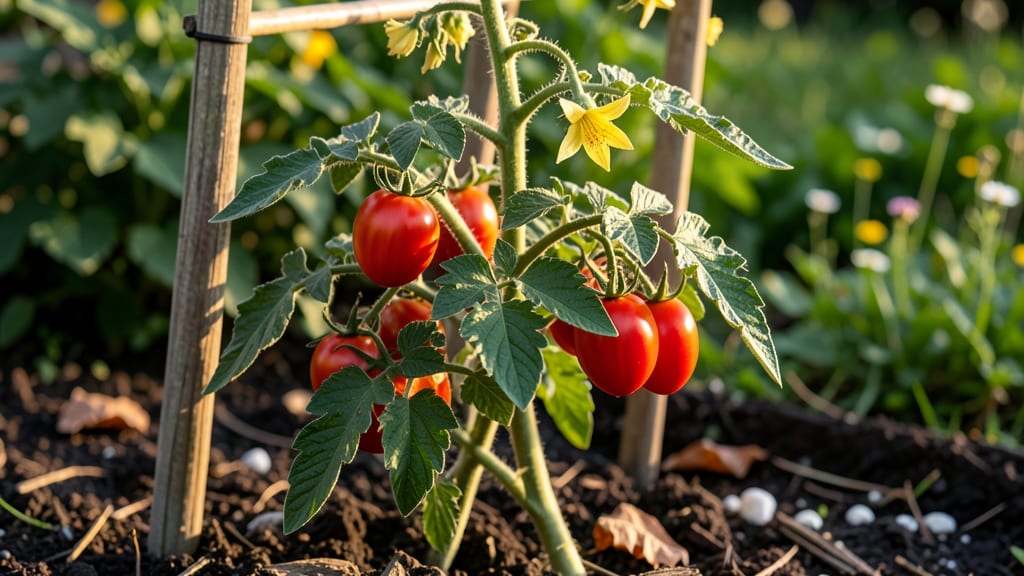
Growing the Chocolate Stripes tomato plants means your garden gets bold, striped fruit that doubles as natural pest control. 🌱 These heirloom beauties aren't just showstoppers—their rich, smoky-sweet flavor and striking purple-and-yellow stripes make them the star of any table.
The best part? Their strong scent deters pests like whiteflies and hornworms, so you get both beauty and built-in protection.
Start with well-draining soil rich in organic matter and a sunny spot getting 6-8 hours of sunlight daily. Plant seeds indoors 6-8 weeks before your last frost, then transplant seedlings after soil warms to 55°F.
Stake or cage these indeterminate vines early—they'll grow 6-8 feet tall and need support to prevent sprawl. Water consistently at the base (never overhead) to avoid diseases like early blight, which loves damp foliage.
Harvest begins when fruits develop their signature stripes and reach 3-4 inches long, usually 70-80 days after transplanting. The flavor deepens as they ripen, so don't rush—wait for full color and a slight give when gently squeezed.
Store unripe tomatoes at room temperature to finish ripening; once ripe, keep them in the fridge for up to 2 weeks to preserve that incredible taste.
Pair them with basil, marigolds, or onions to boost growth and pest resistance further. If you spot cracks (a sign of uneven watering), mulch heavily and water more consistently. With these tips, you'll enjoy both the edible art and the pest-free harvest these tomatoes deliver every season.
📚 In This Guide
- What you need
- Instructions
- Tips and common mistakes
- Wrapping up and next steps
What you need
- ● Chocolate stripes tomato seeds or seedlings: Quantity: 3–5 plants (for a small garden) or 10+ (for larger spaces). Variety: Look for heirloom or hybrid varieties labeled as "chocolate stripes" (e.g., Solanum lycopersicum 'Chocolate Stripes').
- ● Well-draining potting mix or garden soil: Quantity: 1–2 bags (10–20 lbs each) for containers or 1 cubic yard for in-ground planting. Specification: Amend with compost (20–30%) for nutrient-rich soil.
- ● Containers or garden beds: Containers: 5-gallon pots or larger (1 plant per container). In-ground beds: Full sun (6+ hours/day) with space 18–24 inches apart.
- ● Organic fertilizer: Type: Balanced (10-10-10) or tomato-specific (e.g., fish emulsion or worm castings). Quantity: 1–2 tbsp per plant at planting time.
- ● Mulch: Type: Straw, shredded leaves, or grass clippings (2–3 inches thick).
- ● Watering can or hose with a gentle spray nozzle.
- ● Essential: Garden trowel or transplanting spade. Gloves (to protect your hands from thorns and soil).
- ○ Helpful (Optional): Pruning shears (for shaping plants). Stake or tomato cage (to support vines as they grow). pH testing kit (to ensure soil is slightly acidic, pH 6.0–6.8). Row cover or shade cloth (for young seedlings if pests are a concern).
Step-by-step instructions for growing chocolate stripes tomato plants
Here's how to cultivate these stunning, pest-resistant beauties from seed to harvest.
🌱 Step 1: Start Seeds Indoors for Strong Transplants
Begin seeds 8-10 weeks before your last frost date in biodegradable peat pots filled with sterile seed-starting mix. The Chocolate Stripes variety thrives when started early, giving it time to develop its signature purple-striped foliage and robust vines. Plant seeds ¼ inch deep—any deeper delays germination because the seedling must push through more soil.
Keep the soil consistently moist at 70-75°F using a seedling heat mat. Cover the tray with plastic wrap to retain humidity, but remove it immediately once 50% of seeds sprout (usually 7-10 days). Overwatering now risks damping-off, a fungal disease that collapses seedlings overnight. You'll know moisture is right when the soil surface looks damp but not glistening.
☀️ Step 2: Provide Optimal Light for Compact Growth
Move seedlings under grow lights within 48 hours of germination to prevent leggy growth. Position the light 2-3 inches above the plants and set a timer for 14-16 hours daily. Without sufficient light, seedlings stretch toward the source, developing weak stems that can't support heavy fruit later. You'll see strong seedlings with thick stems and deep green leaves spaced closely together.
Rotate the trays a quarter turn daily so plants grow evenly. After 3-4 weeks, when seedlings have 2-3 sets of true leaves, transplant them into 5-inch pots with fresh potting mix. This step prevents root binding, which stunts growth. Gently remove the peat pots—they'll dissolve in the soil, protecting roots during transplant.
🪴 Step 3: Harden Off and Transplant Outdoors
Two weeks before your last frost, begin hardening off seedlings by placing them outside in partial shade for 1-2 hours the first day. Gradually increase exposure over 10-14 days, ending with full sun. Chocolate Stripes tomatoes need full sun (6-8 hours daily) to develop their vibrant purple stripes and sweet fruit. You'll notice leaves darken and thicken as they adapt to outdoor conditions.
Transplant after all danger of frost has passed, choosing a location with well-draining soil amended with compost. Space plants 18-24 inches apart in rows 24-36 inches apart to allow airflow, which reduces disease risk. Bury the stems deeply—up to ⅓ of the plant's height—to encourage strong root systems. Water deeply at planting to settle the soil and remove the peat pots entirely.
💧 Step 4: Maintain Soil Moisture and Pest Resistance
Water at the base of plants in the morning to prevent fungal diseases like early blight, which can discolor the purple-striped leaves. Keep the soil consistently moist but not soggy—Chocolate Stripes tomatoes are drought-tolerant once established, but consistent moisture ensures sweet, flavorful fruit. You'll see the leaves wilt slightly if underwatered, but they perk up within hours of watering.
The purple foliage contains anthocyanins, which repel pests naturally. However, watch for hornworms—they love these tomatoes too. Handpick larvae (they're large and green with white stripes) or use neem oil as a preventative spray. Prune suckers regularly to direct energy into fruit production. You'll know pruning is working when new leaves emerge larger and healthier than before.
✂️ Step 5: Harvest and Enjoy the Edible Decor
Harvest tomatoes when they're fully colored and slightly soft to the touch, usually 70-80 days after transplanting. The purple stripes on the leaves fade slightly as fruit matures, but the plants remain a stunning garden centerpiece. Pick fruit in the morning when sugars are highest, and store at room temperature until ripe.
Save seeds from your best tomatoes by scooping out the gel and rinsing the seeds in a fine mesh strainer. Dry them on a paper towel for 3-5 days, then store in an envelope. These heirloom seeds produce identical striped foliage and rich, meaty fruit year after year. The more you grow, the more your garden becomes a living work of art that doubles as a pest-free harvest.
Tips & tricks for perfect chocolate stripes tomato plants
These practical insights will help you cultivate the most vibrant, pest-resistant tomato plants you've ever grown.
Timing Secret: The 8-10 week indoor starting window is non-negotiable for this heirloom variety. I learned this the hard way—starting too late means your plants won't develop the full purple striped foliage before summer heat arrives. Use a frost date calculator to determine your exact start date, then mark it on your calendar. The 70-75°F soil temperature is equally critical; cooler soils slow germination dramatically. A seedling heat mat solves this problem perfectly.
Lighting Technique: Those 14-16 hours of daily light in Step 2 aren't just a suggestion—they're essential for preventing leggy seedlings. I recommend using LED grow lights positioned 2-3 inches above the plants. The key is maintaining consistent light intensity; if you notice seedlings stretching toward the light source, lower the lights immediately. Rotating trays daily ensures even growth—you'll see the difference in just 3-4 weeks when seedlings develop thick stems and compact growth.
Harden Off Gradually: The 10-14 day hardening process in Step 3 is where most beginners rush and regret it. Start with just 1-2 hours of partial shade exposure, then increase by 30 minutes each day. Watch for leaves that darken and thicken—this is your visual cue that the plants are adapting. I've seen gardeners skip this step and end up with shocked plants that take weeks to recover. The purple stripes won't develop properly without this gradual transition to full sun.
Pest Prevention Strategy: Those anthocyanins in the purple foliage are your natural pest deterrent, but you'll still need to watch for hornworms. I've found that handpicking larvae at dusk (when they're most visible) works better than neem oil for established plants. The key is regular inspection—check the undersides of leaves where these green striped caterpillars hide. Pruning suckers regularly redirects the plant's energy into fruit production, and you'll notice larger, healthier leaves emerging within weeks.
Pro Tips for Chocolate Stripes Tomato Plants
- These practical insights will help you cultivate the most vibrant, pest-resistant tomato plants you've ever grown.
- Timing Secret: The 8-10 week indoor starting window is non-negotiable for this heirloom variety.
- Lighting Technique: Those 14-16 hours of daily light in Step 2 aren't just a suggestion—they're essential for preventing leggy seedlings.
Frequently asked questions
Got questions about growing chocolate stripes tomato plants? You’re not alone! Here are some of the most common queries—plus quick, practical answers to help you rock this pest-repelling, edible garden hack.
What exactly are chocolate stripes tomato plants, and how do they work?
These aren’t a separate tomato variety—they’re regular tomato plants with striped basil (or purple basil) planted alongside them. The basil’s strong scent confuses pests like whiteflies and aphids, while its edible leaves add a peppery flavor to dishes. It’s a win-win for companion planting!
When is the best time to plant chocolate stripes tomato plants?
Start by sowing striped basil seeds indoors 6–8 weeks before your last frost date. Transplant basil seedlings near your tomato plants once the soil warms to 55°F+ and tomatoes are 4–6 inches tall. For container gardens, pair them at the same time—just ensure pots are at least 12 inches wide.
Will chocolate stripes tomato plants actually repel pests, or is it just a gimmick?
Not a gimmick! Basil’s eugenol compound disrupts pests’ ability to locate tomato plants. Studies show it reduces whitefly populations by up to 70%. For extra defense, add marigolds nearby—their scent amplifies the effect. Pro tip: Crush a few basil leaves and rub them on tomato stems for an instant pest deterrent!
Can I use regular basil instead of striped basil for chocolate stripes tomato plants?
Yes, but striped basil’s purple hues make it visually striking (hence the "chocolate stripes" name). Regular basil works just as well for pest control, though its green leaves won’t add the same decorative flair. Bonus: Both varieties thrive in similar conditions—full sun and well-draining soil.
What if my tomato plants outgrow the basil? Will they smother it?
Tomatoes can shade out basil if left unchecked, but pruning helps! Keep tomato suckers trimmed to 12–18 inches tall and pinch back leggy basil stems. For containers, use dwarf tomato varieties (like ‘Tiny Tim’ or ‘Patio Princess’) to balance growth. Troubleshoot: If basil wilts, it may need more water—tomatoes hog moisture!
How do I harvest and use the basil in chocolate stripes tomato plants?
Snip leaves from the top or sides to encourage bushier growth. Use basil in pesto, salads, or as a garnish—it pairs perfectly with tomatoes! For a double harvest, let a few flowers form (gently pinch them off to redirect energy to leaves). Storage tip: Wrap stems in a damp paper towel and refrigerate for up to a week.
Wrapping up and next steps
Growing chocolate stripes tomato plants isn’t just about adding a pop of color to your garden—it’s a delightful way to boost harvests and keep pests at bay naturally! 🌱 These striking plants are easy to care for, and their dual-purpose beauty makes them a win-win for both aesthetics and functionality.
Whether you’re a seasoned gardener or just starting out, this companion planting trick is sure to elevate your garden game.
Ready to take the next step? Start small—plant a few chocolate stripes tomatoes alongside your existing garden beds or in containers. Experiment with spacing, companion plants, and pest-repelling techniques to find what works best for your space.
Happy gardening, and enjoy the sweet rewards (and the chocolatey views!) of your hard work!