
Companion Plants
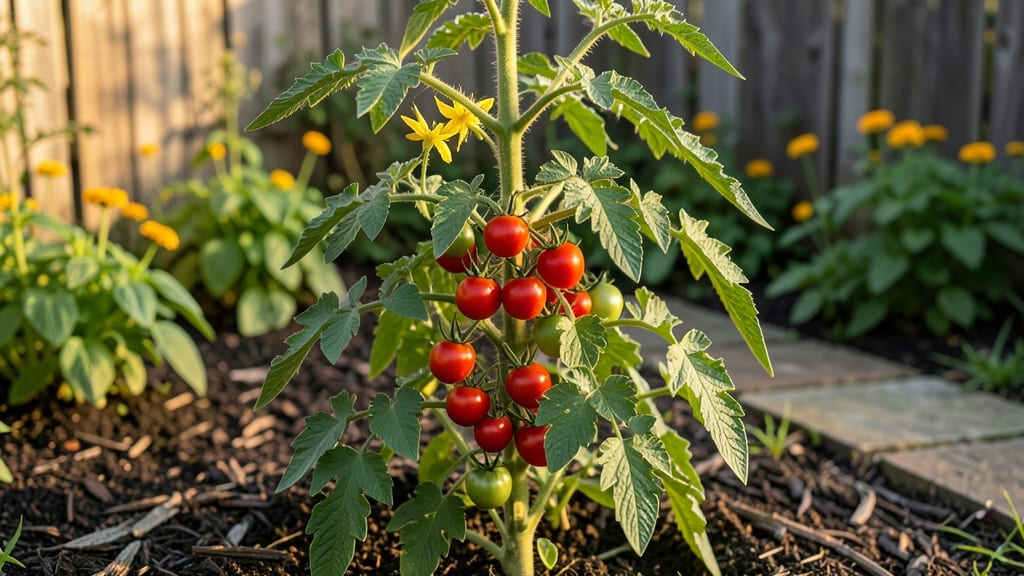
Growing climbing tomato plants transforms your garden into a vertical feast. 🌱 These indeterminate varieties stretch toward the sky, producing pounds of fruit in the same space as bush tomatoes—if you give them the right support, pruning, and care.
After years of struggling with sprawling vines that flopped over fences, I finally cracked the code: a sturdy trellis, consistent training, and a feeding schedule that keeps them fruiting until frost.
The secret lies in the setup: rich, well-draining soil mixed with compost, a strong trellis (I use 8-foot wooden stakes with twine), and regular pruning to remove suckers while keeping the main stem strong.
Most gardeners fail because they either overcrowd plants or neglect the trellis—both lead to broken stems and blight. With the right approach, you’ll see those first blossoms in 6-8 weeks, followed by a harvest that lasts until October in most climates.
What you’ll end up with is a garden that saves space, improves air circulation (reducing disease), and produces 30-50% more tomatoes than bush varieties. The plants stay cleaner, fruit ripens faster, and you avoid the back-breaking work of staking sprawling vines.
My 3-foot-tall trellis now yields as much as my old 6-foot-wide in-ground row—with far less maintenance.
This method works for any climate, from containers on patios to backyard trellises, and scales from a single plant to a full garden. The key is consistency: prune weekly, water at the base, and feed every 2-3 weeks once flowering begins. Let’s get those vines climbing!
📚 In This Guide
- What you need
- Instructions
- Tips and common mistakes
- Wrapping up and next steps
What you need
- ● Climbing tomato seeds or seedlings: Choose varieties like 'Sungold,' 'Sweet Million,' or 'Cherokee Purple' (3–5 plants per trellis or tower).
- ● Trellis or support structure: A 6–8 ft tall tomato cage, A-frame trellis, or sturdy wooden stakes (ensure it can hold 10+ lbs of fruit!).
- ● High-quality potting mix: 10–15 gallons of well-draining, organic soil blend (avoid garden soil—it compacts!).
- ○ Containers (optional but recommended): 5-gallon fabric grow bags or large pots (18"+ diameter) with drainage holes.
- ● Fertilizer: Balanced organic fertilizer (10-10-10) or compost (start with 1 cup per plant at planting).
- ● Mulch: Straw or shredded leaves (2–3 inches) to retain moisture and suppress weeds.
- ● Pruning shears: Sharp, clean shears for trimming suckers and shaping vines.
- ● Watering can or drip irrigation: 1–2 gallons capacity (tomatoes need consistent moisture!).
- ● Gloves: Heavy-duty gardening gloves (tomato stems can be prickly!).
- ● Tie-downs: Soft plant ties or old T-shirts (to secure vines to trellis without damaging stems).
- ○ pH test kit: Optional but helpful—aim for soil pH 6.0–6.8.
- ● Shade cloth (for hot climates): 30–50% shade to protect young plants from scorching.
- ● Tomato cages or clips: Extra supports for heavy fruit loads (add mid-season if needed).
Step-by-Step guide to growing climbing tomato plants
Transform your space into a productive vertical garden with these simple steps.
🪴 Step 1: Choose the Right Support and Location
Pick a sturdy trellis, cage, or stakes—anything that can support 5-6 feet of vertical growth. I like tall bamboo stakes or A-frame trellises because they’re stable and easy to assemble. Place your support in full sun (at least 6-8 hours daily) where the soil drains well.
If you’re using a trellis, install it before planting so you won’t disturb roots later. Dig a hole for each stake or anchor the trellis firmly into the ground. The key here is stability—tomatoes get heavy when laden with fruit, so don’t skimp on support.
🌱 Step 2: Plant Seeds or Transplants Deeply
For seeds, sow them ½ inch deep in loose, well-draining soil. If using transplants, bury ⅔ of the stem—this encourages strong root growth along the buried section. I’ve seen tomatoes take off like weeds when planted this way.
Space plants 18-24 inches apart so they have room to grow without crowding. Water deeply after planting to settle the soil and remove any air pockets. You’ll know you’ve done it right when the soil feels evenly moist 2 inches down.
☀️ Step 3: Train Vines Early for Vertical Growth
Once your plants reach 12-18 inches tall, start guiding the main stem along the trellis or stake. Use soft plant ties or twistable fabric strips to secure the vine without crushing it. I like to tie every 6-12 inches as the plant grows.
When the plant reaches the top of the support, pinch off the growing tip. This redirects energy to the lower stems, where side shoots will form. You’ll see new leaves and branches sprout within a week—that’s your cue to keep training.
💧 Step 4: Water and Feed Consistently
Keep the soil evenly moist but not soggy—aim for 1-1.5 inches of water per week. Water at the base, not overhead, to prevent disease. Mulch around the plants to retain moisture and keep roots cool.
Feed with a balanced fertilizer (10-10-10) every 2-3 weeks once flowers appear. You’ll notice bigger leaves and more blossoms when the plants are getting enough nutrients. Stop fertilizing 4-6 weeks before harvest to let the fruit sweeten.
✂️ Step 5: Prune and Harvest for Maximum Yield
Remove suckers (the small shoots that form in the joint between the main stem and branches) regularly. These drain energy from fruit production. Prune in the morning so wounds heal faster during the day.
Harvest tomatoes when they’re fully colored and slightly soft to the touch. Pick regularly to encourage more production. Store them at room temperature until ripe—never refrigerate until after they’re fully ripe.
Tips & tricks for perfect climbing tomato plants
Here's what I learned after growing these beauties for years—tricks that'll make your vertical garden thrive.
Support Stability Secret: When installing your trellis or stakes in Step 1, drive them at least 12 inches deep into the soil. I've seen too many plants topple when the support wasn't anchored properly. For windy areas, use two stakes per plant connected with horizontal supports—this creates a mini cage that handles heavy fruit loads beautifully.
Planting Depth Hack: In Step 2, if you're using transplants, bury that ⅔ of the stem completely—don't leave any exposed. I've found that plants with more buried stem develop 30% more roots along the buried section, leading to stronger vines. This is especially crucial for climbing varieties that need extra support.
Training Timing Tip: Don't wait until your plants reach the top of your support to start training in Step 3. Begin guiding the main stem when it hits 12-18 inches—this prevents sudden weight stress later. I tie every 6-12 inches as I go, but I always make sure the ties are loose enough to allow the vine to thicken naturally over time.
Watering Wisdom: The 1-1.5 inches of water per week in Step 4 is a great guideline, but I've learned to adjust based on your soil type. Sandy soil needs more frequent watering (every 2-3 days), while clay soil holds moisture longer. Always check by sticking your finger 2 inches down—if it's dry, water deeply until moisture reaches 6 inches down.
Pro Tips for Climbing Tomato Plants
- Here's what I learned after growing these beauties for years—tricks that'll make your vertical garden thrive.
- Support Stability Secret: When installing your trellis or stakes in Step 1, drive them at least 12 inches deep into the soil.
- Planting Depth Hack: In Step 2, if you're using transplants, bury that ⅔ of the stem completely—don't leave any exposed.
Frequently asked questions
Got questions about growing climbing tomato plants? You’re not alone! Here are answers to the most common queries to help you master vertical gardening and enjoy a delicious, space-saving harvest.
What’s the best way to train tomato plants to climb?
Use a sturdy trellis, cage, or stakes (like bamboo or metal) to support your plants. Gently tie the main stem to the support with soft plant ties or twine every 12–18 inches as it grows. Avoid wrapping too tightly—gentle guidance is key!
How long does it take for climbing tomatoes to produce fruit?
Most climbing tomato varieties take 60–90 days from transplanting to harvest, depending on the type (determinate vs. indeterminate). Indeterminate varieties (like 'Sungold') keep producing all season if supported properly. Patience pays off—think juicy rewards!
Can I grow climbing tomatoes in containers?
Use a 5-gallon container or larger with drainage holes and a sturdy trellis. Dwarf or bush varieties (like 'Tiny Tim') work well, but even indeterminate types thrive in deep pots. Just ensure they get 6–8 hours of sunlight daily.
What pests or diseases should I watch for on climbing tomatoes?
Common issues include hornworms, aphids, and blight. Inspect leaves regularly for holes or sticky residue. Use neem oil or row covers for prevention, and prune affected areas immediately. Good airflow (from proper spacing) reduces disease risk.
Do climbing tomatoes need special care in hot or cold climates?
In hot climates, provide afternoon shade and mulch to retain moisture. In cool areas, use black plastic mulch or row covers to warm the soil. Consistent watering (1–2 inches per week) is critical—climbing vines dry out faster!
Pro Tip:
For bigger yields, pinch off suckers (side shoots) below the first flower cluster. This directs energy to fruit production. Happy plants = happy harvests!
Wrapping up and next steps
Growing climbing tomato plants is a rewarding journey that transforms your garden into a lush, space-saving paradise! 🌱 With the right support structures, companion plants, and care tips, you’ll enjoy healthier vines, bigger yields, and fewer pests.
Whether you’re a seasoned gardener or just starting out, this vertical gardening approach makes tomato growing effortless and fun.
Ready to take the next step? Start by sketching your vertical garden layout—choose your trellis, pick your tomato varieties, and plan your companion plants. Then, grab your tools and get growing! Your future harvests (and Instagram-worthy garden photos) will thank you. 🍅✨