
Plants
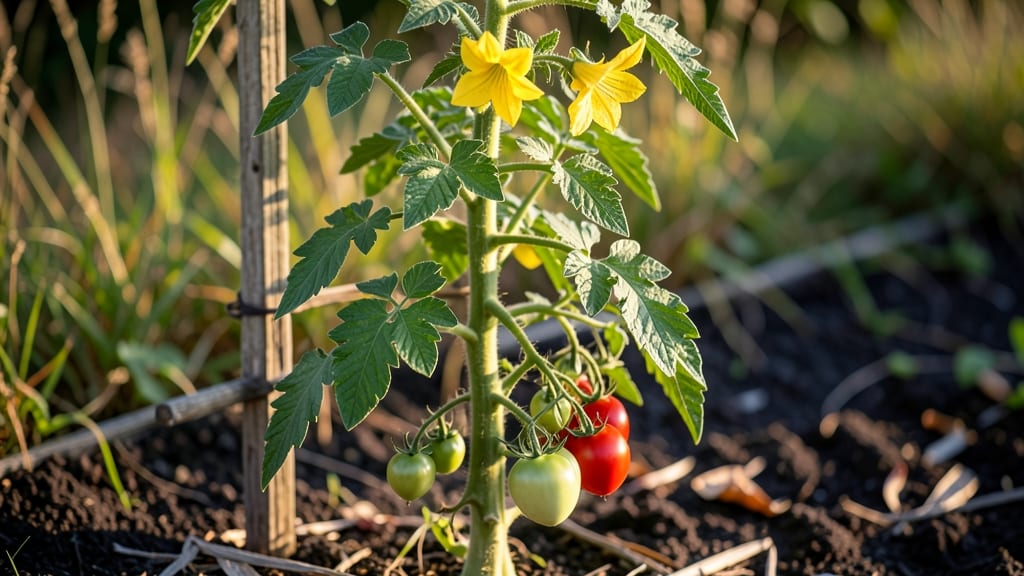
Do tomato plants like full sun? They absolutely love it — in fact, they need 6 to 8+ hours of direct sunlight daily to produce the juicy, flavorful fruit you’re dreaming of.
If you’ve ever watched your tomato plants wilt under the midday sun or struggle to set fruit, you’re not alone. The right amount of light isn’t just about avoiding shade—it’s the key to strong stems, abundant blooms, and tomatoes that burst with flavor.
Too little sun leads to leggy plants and poor yields, while too much can scorch leaves in hot climates. The secret is finding that sweet spot: bright, consistent light without the stress of scorching heat.
In this guide, I’ll break down exactly how much sun tomatoes need, how to tell if yours are getting it right, and what to do if your garden isn’t quite sunny enough.

How many hours of full sun tomato plants need daily
Tomatoes are sun-worshippers, and their love affair with sunlight is no secret. While most varieties crave 6 to 8+ hours of full sun daily, the exact amount depends on your tomato type, climate, and growth stage.
Let’s break it down so you can give your plants the perfect light recipe for juicy, flavorful fruit instead of bitter, underdeveloped tomatoes.
First, understand that full sun means unobstructed sunlight for at least 6 hours. However, in hot climates (like zones 9-11), afternoon shade can prevent sunburn on leaves and fruit.
Meanwhile, cooler regions (zones 3-6) may need more sunlight to compensate for shorter days. The key is balancing light with temperature to avoid stress.
🌱
| Tomato Type | Sunlight Needs | Growth Stage | Notes |
|---|---|---|---|
| Determinate (Bush) | 6–8 hours | Seedling to Fruiting | Compact growth; tolerates slight shade after fruiting begins. |
| Indeterminate (Vining) | 8–10+ hours | Seedling to Harvest | Needs consistent sun; fruit production slows with <6 hours. |
| Cherry Tomatoes | 6–8 hours | All Stages | Fast-growing; partial shade in extreme heat helps. |
| Heirloom Varieties | 8–10 hours | Fruiting Stage | Sensitive to inconsistent light; may crack fruit with uneven sun. |
| Seedlings | 4–6 hours | Germination to Transplant | Too much sun causes leggy seedlings; use shade cloth if needed. |
Now, let’s talk about growth stages, because a seedling’s sunlight needs differ drastically from a fruiting plant. Seedlings (those tiny green sprouts) only need 4–6 hours of light to avoid stretching toward the sun.
Too much direct light at this stage can bleach leaves or cause heat stress. Once transplanted, they’ll need more light to strengthen their stems.
As your plants enter the flowering and fruiting stages, the stakes rise. This is when they demand 8+ hours of full sun daily. Why? Because tomatoes photosynthesize intensely to fuel fruit development. Without enough light, flowers may drop, and existing fruit can turn mealy or pale.
Indeterminate varieties, like Sungold cherry tomatoes or Brandywine heirlooms, are especially picky—they’ll keep producing flowers (and thus fruit) as long as they get ample sunlight.
But how do you measure sunlight exposure accurately? Don’t guess—use tools like a sun calculator (available online) or a shade mapping app. These tools track how much direct sunlight hits your garden at different times of day.
For example, a south-facing garden in the U.S. gets the most consistent sunlight, while north-facing spots may only receive 4–5 hours, even on sunny days.
Pro tip: If your garden lacks natural sunlight, consider reflective surfaces, like white walls or mirrors, to bounce extra light onto your plants. Or, grow shade-tolerant varieties like 'Stupice' or 'Black Krim' if you’re working with limited light. Just remember, these are exceptions—not the rule—for most tomato varieties.
Finally, watch for seasonal adjustments. In summer, plants may need afternoon shade to prevent wilting, while spring and fall offer gentler light conditions. Pay attention to your plants’ leaves and fruit: if they’re pale or small, it’s a sign they’re not getting enough sun.
Conversely, yellowing or crispy leaves mean too much direct heat.
With the right sunlight balance, your tomato plants will reward you with bountiful harvests all season long. Start by placing them in the sunniest spot you can find, and don’t forget to rotate them occasionally for even growth. Happy gardening!
☀️
Signs your tomato plants aren’t getting enough sunlight
Tomato plants are sun-worshippers, and when they don’t get enough light, they’ll show you in dramatic ways. Pale, yellowing leaves (especially on lower stems) are the first red flags. This isn’t just nutrient deficiency—it’s a cry for more sunlight.
Without enough energy from the sun, your plants can’t produce the chlorophyll needed for vibrant growth, leading to weak, leggy stems that struggle to support fruit.
The most telling sign is poor fruit set. If your tomato blossoms keep falling off without turning into fruit, your plants are likely starving for light. Even if flowers appear, they may develop into small, misshapen tomatoes with poor flavor.
Worse yet, the few fruits that do form might stay green and hard long after they should ripen—a classic sign of insufficient sunlight for proper ripening.
Here’s the tricky part: too much sun can also harm your tomatoes. While they love light, scorching heat (especially in hot climates) can cause sunburnt leaves that look like they’ve been bleached white or develop crispy edges.
Blossoms may drop due to heat stress, and fruit can develop green shoulders or cracked skins from uneven exposure.
Do Tomato Plants Like Full Sun?
✅ Pros of Full Sun
- 6+ hours/day = optimal growth
- Boosts fruit production and sweetness
- Prevents leggy stems and weak plants
- Encourages proper ripening of tomatoes
❌ Cons of Too Much Sun
- Risk of leaf burn in extreme heat
- Blossoms may drop from heat stress
- Fruit can crack or develop green shoulders
- Requires extra water to prevent wilting
If your tomatoes are showing signs of light deprivation, don’t panic—there are simple fixes. Start by relocating plants to a sunnier spot, even if it means moving them closer to a south-facing window or balcony railing.
For container growers, consider a sunny patio or rooftop garden with unobstructed light. If shade is unavoidable (like under tall trees), try pruning nearby foliage to let more light reach your tomatoes.
For plants already struggling, prune lower leaves to improve airflow and redirect energy to fruit production. Use a trellis or cage to keep plants upright and maximize light exposure to the canopy.
If your garden is permanently shady, opt for shade-tolerant varieties like 'Black Krim' or 'Solar Fire,' which handle lower light better than traditional types.
Remember, the goal is balanced sunlight—not scorching heat. In hot climates, provide afternoon shade (like with a lightweight shade cloth) to protect plants while still giving them 6+ hours of morning sun.
With the right adjustments, your tomato plants will bounce back with stronger stems, healthier leaves, and a bounty of juicy, flavorful tomatoes.