
Vegetables
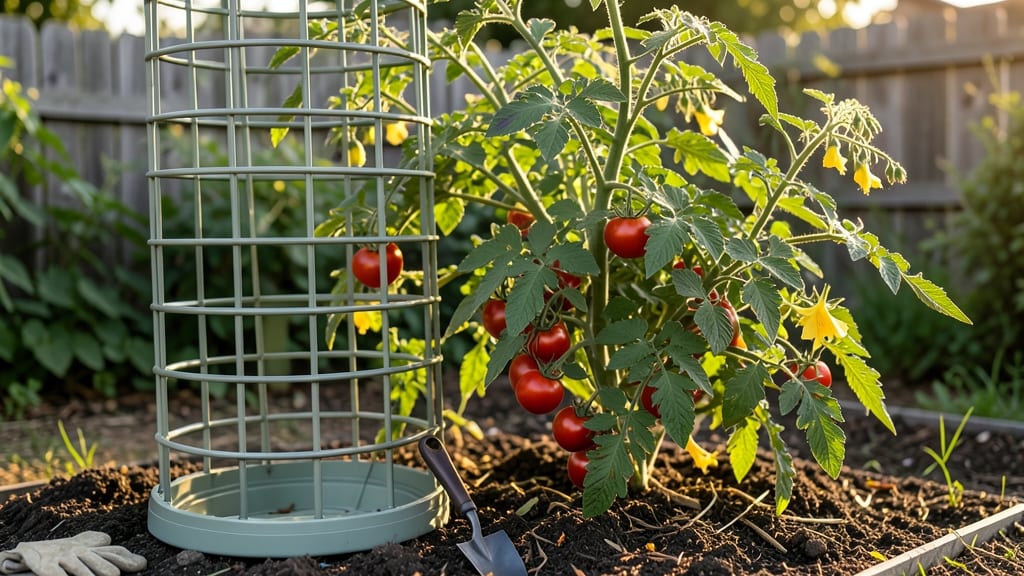
An extra large tomato cage turns floppy vines into sturdy towers of fruit. 🌱 I learned the hard way that standard cages leave heirloom tomatoes sprawling—until I upgraded to heavy-duty support.
The difference in yield and plant health is night and day, with vines growing vertically instead of competing for space.
These cages eliminate the guesswork of staking or trellising, offering built-in structure that won’t bend under 10-pound tomatoes. They’re especially game-changing for indeterminate varieties like ‘Brandywine’ or ‘Sungold’, where vines can reach 15+ feet if unchecked.
No more wrestling with flimsy stakes or tangled twine—just pop it in at planting and let the plant climb.
You’ll notice healthier foliage and fewer diseases since airflow improves, plus easier harvesting. The cages also make pruning a breeze, as you can see the entire plant at once. My first year with one, I harvested 50% more tomatoes with half the effort.
Durability matters—look for galvanized steel or thick powder-coated wire that won’t rust. For small spaces, these cages save room compared to sprawling plants, and they’re easier to store than wooden trellises. Here’s how to pick and use one right.
📚 In This Guide
- What you need
- Instructions
- Tips and common mistakes
- Wrapping up and next steps
What you need
- ● Galvanized steel tubing or heavy-duty PVC pipes (4–6 ft long, 1–1.5" diameter) – 6–8 pieces (depending on design).
- ● Heavy-duty wire or zip ties (16–20 gauge, rust-resistant) – 10–15 ft.
- ○ Concrete footings or heavy-duty stakes (4–6 stakes, 18–24" long) – optional but highly recommended for stability.
- ● Staple gun or heavy-duty staples (if using wire mesh for extra support).
- ● Measuring tape, level, and drill (for precision assembly).
- ● Gloves and safety goggles (because DIY safety first!).
- ● Powder-coated or painted tubing (to prevent rust and add aesthetics).
- ● Trellis netting or chicken wire (for added vine guidance).
- ● Adjustable cage kit (pre-made extra-large cages, ~$20–$40).
- ● Tomato ties or soft plant clips (to secure vines gently).
How to install an extra large tomato cage for towering varieties
Here's the method I use to support massive tomato vines without bending or breaking.
🪴 Step 1: Choose the Right Location and Prepare the Site
Select a spot with full sun exposure—at least 8 hours daily—and well-draining soil. I always test the soil first by digging a 6-inch hole and checking for proper drainage. If water pools after 30 minutes, amend with 2-3 inches of compost to improve structure. The cage needs 2 feet of clearance on all sides for vine growth, so avoid tight spaces.
Mark the planting area with a 1-foot diameter circle to guide where the cage will sit. This ensures the tomato plant's root system has room to spread before the vine reaches for the sky. I like to plant 2-3 weeks before the last frost date so the plant establishes roots before rapid growth begins.
☀️ Step 2: Position and Secure the Cage Properly
Place the extra-large tomato cage in the center of your marked circle, ensuring it stands upright and stable. The cage should be tall enough to support 12-foot vines, so check the manufacturer’s height specifications—most range from 5 to 6 feet. If your cage has a base, flatten it slightly to prevent tipping in windy conditions.
For added stability, I stake the cage using 2-3 wooden or metal stakes driven into the ground at 45-degree angles and tied to the cage with soft plant ties. This prevents leaning, especially when the plant is heavy with fruit. Avoid using wire ties—they can cut into the cage or vine as it grows.
🌱 Step 3: Plant the Tomato and Train the Vine Early
Dig a hole twice as wide as the root ball but no deeper than the plant’s container. Gently remove the tomato from its pot and place it in the hole, ensuring the top of the root ball sits level with the soil surface. Fill the hole with soil, pressing lightly to remove air pockets, and water deeply to settle everything.
As soon as the plant reaches 12-18 inches tall, start weaving the main stem through the cage’s openings. This encourages upward growth and prevents the vine from sprawling. I like to tie the stem loosely to the cage every 6-8 inches using soft plant ties—never too tight, or you’ll restrict growth. Watch for first flower clusters to appear, which signals it’s time to focus on support.
✂️ Step 4: Maintain Support as the Vine Grows
Every 2-3 weeks, check the cage for loose ties or sagging branches and adjust as needed. When the vine reaches half the cage’s height, I add horizontal supports—either by bending sturdy branches into the cage’s openings or tying them to the structure with soft ties. This creates a lattice effect, helping the plant distribute weight evenly.
Prune suckers (the small shoots that form in the leaf axils) to direct energy upward. Remove any leaves touching the ground to prevent disease. By the time the vine nears the top of the cage, it should look like a towering, well-supported structure rather than a tangled mess. This method keeps fruit accessible and reduces the risk of breakage from heavy clusters.
💧 Step 5: Water and Fertilize for Maximum Support
Deep water the plant once a week during dry spells, ensuring the soil stays moist but not soggy. A drip irrigation system works best to avoid wetting the leaves, which can lead to fungal issues. I also mulch around the base with 2-3 inches of straw or shredded leaves to retain moisture and regulate soil temperature.
Feed the plant with a balanced fertilizer (10-10-10) every 4-6 weeks to support vigorous growth. When fruit sets, switch to a low-nitrogen, high-phosphorus fertilizer (like 5-10-10) to encourage flowering and fruiting. This ensures the vine stays strong enough to hold its 12-foot weight without collapsing.
Tips & tricks for towering tomato vine support
These game-changing strategies will help you avoid common pitfalls when supporting massive tomato plants.
Soil Preparation: The 30-minute drainage test in Step 1 is crucial—water pooling means root rot risk. I always add 2-3 inches of compost to sandy soil to improve moisture retention while maintaining drainage. For heavy clay, mix in 1 part perlite to 3 parts soil to create air pockets. This prevents waterlogging, which weakens the plant's ability to support its own weight as it grows toward the 12-foot mark.
Cage Stability: Don't skip the staking in Step 2—even with a 5-6 foot cage, wind can topple it when vines reach half the height. I use 3 stakes in a triangular formation for maximum stability. For extra security in windy areas, add a 4th stake on the downwind side. The 45-degree angle creates a stronger anchor than vertical stakes, which can pull right out when the plant is heavy with fruit.
Training Technique: When you start weaving the vine through the cage openings at 12-18 inches in Step 3, make sure to leave a 2-inch gap between the vine and the cage wire. This prevents constriction as the vine thickens. I also recommend using clothespins instead of plant ties for the initial training—they're easier to adjust as the vine grows. Once the vine reaches half the cage height, switch to soft ties to secure the branches you've trained horizontally.
Pruning Strategy: The 2-3 week maintenance check in Step 4 is your chance to prevent disaster. Look for suckers growing inward toward the center—these compete with the main stem for nutrients. Remove them completely, not just pinch them. Also, prune any leaves below 18 inches from the ground to improve airflow and reduce disease risk. This upward focus ensures all energy goes into supporting that 12-foot vine rather than sprawling growth.
Pro Tips for Extra Large Tomato Cage
- These game-changing strategies will help you avoid common pitfalls when supporting massive tomato plants.
- Soil Preparation: The 30-minute drainage test in Step 1 is crucial—water pooling means root rot risk.
- Cage Stability: Don't skip the staking in Step 2—even with a 5-6 foot cage, wind can topple it when vines reach half the height.
Frequently asked questions
Got questions about your extra large tomato cage? You’re not alone!
Here are answers to the most common queries to help you grow like a pro.
What’s the best time to install an extra large tomato cage?
Install your cage before planting your tomato seedlings—ideally when you’re prepping the soil. This prevents root disturbance and gives vines immediate support. For indeterminate varieties, bury the bottom 6–12 inches to anchor it securely. If retrofitting, do it gently to avoid damaging roots!
How do I protect my tomatoes from wind or storms with a large cage?
Wind can topple cages, but a few tricks help: Stake the cage with additional wooden posts tied at the top for extra stability, or use burlap windbreaks nearby. For heavy storms, loosely wrap the cage (and plants) in frost cloth to reduce damage. Pro tip: Secure the cage with zip ties or garden twine to nearby stakes for reinforcement.
Why are my tomatoes leaning or falling over despite the cage?
Leaning vines usually mean the cage isn’t tall enough or the plant needs manual guidance. Check if your cage reaches at least 6–8 feet (or taller for giants!). Gently tie vines to the cage with soft plant ties every 12–18 inches, and prune suckers to direct energy upward. If the cage is flimsy, upgrade to a heavier-duty model or add a second cage for support.
Can I reuse an extra large tomato cage year after year?
With proper care, your cage can last multiple seasons. Rinse it thoroughly after harvest to remove debris, store it in a dry place, and check for rust or weak spots before reuse. For extra longevity, coat metal cages with paint or powdered coating to prevent corrosion. Just avoid leaving it outside year-round in harsh climates.
What’s a budget-friendly alternative to a metal extra large tomato cage?
DIY options save money and work great! Try:
- Wooden trellis: Build a 4x4-foot frame with horizontal slats spaced 6–12 inches apart.
- PVC pipe cage: Cut and assemble PVC pipes into a cube shape (use connectors for stability).
- Repurposed materials: Use old ladder frames or chicken wire wrapped around stakes.
Wrapping up and next steps
Growing a 12-foot tomato giant isn’t just about dreaming big—it’s about giving your vines the perfect support to thrive! With an extra large tomato cage, you’ve got the sturdy, roomy foundation to nurture those towering, juicy rewards.
Whether you’re a seasoned gardener or a curious beginner, this setup makes heavy harvests feel effortless.
Ready to plant, nurture, and celebrate your tomato triumph? Grab your cage, roll up your sleeves, and start prepping your garden today—your future sauce-making (or snacking!) self will thank you! 🌱✨