
How To
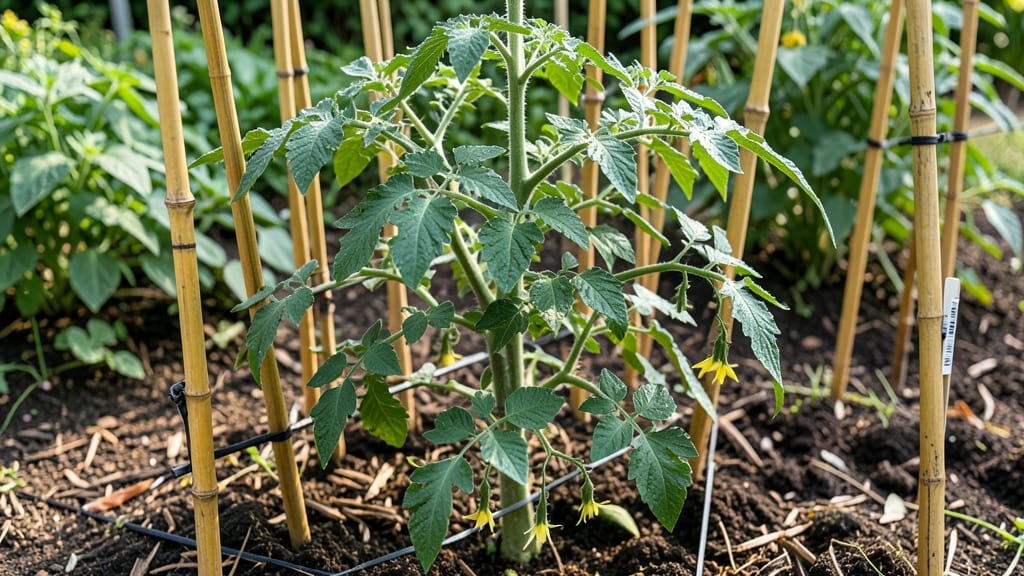
Letting tomato vines grow this tall—10+ feet—isn’t just possible; it’s how indeterminate varieties produce their legendary harvests. 🌱 I’ve watched my own plants spiral toward the sky, their trusses heavy with fruit, proving that height equals harvest potential when done right.
The key isn’t brute force; it’s strategic pruning, sturdy support, and understanding when to guide (not restrict) their growth.
These towering plants need strong trellises or cages (not flimsy stakes) to handle the weight, plus regular pruning to focus energy on fruit production. You’ll see better airflow, fewer diseases, and clusters of ripe tomatoes where others would struggle.
The trade-off? More work up a ladder—but the payoff in pounds of fruit makes it worth every step.
📚 In This Guide
- What you need
- Instructions
- Tips and common mistakes
- Wrapping up and next steps
What you need
- ● Tomato plants: Indeterminate varieties (e.g., 'Sungold,' 'Cherokee Purple,' or 'Brandywine')—3-5 plants per 10-foot structure (spaced 18-24" apart).
- ● Support structure: Tall stakes: 10-12 ft wooden or metal stakes (1 per plant), or
- ● Cages: Heavy-duty 6-8 ft tomato cages (2-3 per plant, stacked or reinforced), or
- ● Trellis: A freestanding A-frame trellis (10+ ft tall) or a wall-mounted trellis with 1.5" diameter horizontal wires spaced 12" apart.
- ● Pruning tools: Bypass pruners (sharp and sterilized)
- ● Hand pruners (for smaller cuts)
- ● Tying materials: Soft plant ties (3-5 per plant) or
- ● Jute twine (1 spool)
- ● Soil & fertilizers: Well-draining potting mix (for containers) or enriched garden soil (pH 6.0-6.8)
- ● Balanced fertilizer (e.g., 10-10-10) or compost (1-2 lbs per plant)
- ● Drip irrigation: Soaker hoses or self-watering stakes to keep roots hydrated without overwatering.
- ● Mulch: Straw or shredded leaves (2-3 inches) to retain moisture and suppress weeds.
- ● Plant clips: Plastic or metal clips (for securing vines without cutting into stems).
- ● Shade cloth: Lightweight fabric (for hot climates) to protect plants from scorching.
- ● Garden journal: To track pruning, growth, and harvest dates!
How to manage indeterminate tomato growth for towering plants
Taming these sky-high varieties isn't about cutting them down—it's about guiding their natural growth patterns.
☀️ Step 1: Select the Right Varieties for Your Climate
Indeterminate tomatoes like 'Cherokee Purple', 'Brandywine', or 'Sungold' can easily exceed 10 feet if given proper support. Choose varieties suited to your USDA hardiness zone—some heat-loving types (like 'Solar Fire') grow aggressively in zones 8-10, while cooler-climate varieties (like 'Black Krim') thrive in zones 3-7. Check seed packets for mature height estimates, but remember these are maximums—proper training keeps plants manageable.
I always plant 4-5 plants per 10-foot row to balance air circulation and sunlight exposure. Crowding leads to disease pressure, while spacing too far reduces yield. Watch for first true leaves (the second set after germination) to gauge seedling strength—weak plants won't handle the vertical growth demands.
🪴 Step 2: Install Support Structures Before Plants Take Off
Set up 6-8 foot tall cages, stakes, or trellises before plants reach 2 feet—once they're taller, moving them risks root damage. I prefer heavy-duty tomato towers (like those from GrowVeg) because they distribute weight evenly. For DIY options, use wooden stakes (2x4s) with zip ties or metal cages—just ensure they're buried 12 inches deep for stability.
Don't wait until plants are lush and heavy. You'll see new leaves forming rapidly around 4-6 weeks—that's when you need support. If you procrastinate, stems may bend permanently or snap under fruit weight. I always install supports 2 weeks after transplanting to give roots time to establish before vertical growth accelerates.
✂️ Step 3: Prune Strategically to Encourage Vertical Growth
Remove suckers (the small shoots between main stems and branches) weekly to direct energy upward. Use your thumb to gently pinch them off at the base—don't tear the stem, which invites disease. Focus pruning below the first flower cluster to maintain a strong central leader. I prune early morning when stems are firm, avoiding wet conditions that spread fungal spores.
Leave 3-4 main stems on each plant for optimal fruit production. You'll notice new suckers forming every 6-8 inches—these are your growth signals. Over-pruning reduces yield, while under-pruning leads to bushy, unmanageable plants. Balance is key: aim for 1-2 leaves below each fruit cluster to support weight.
💧 Step 4: Water and Fertilize for Sky-High Productivity
Deep water 2-3 times weekly (more in 90°F+ heat) to encourage strong root systems. Use drip irrigation or soaker hoses to keep foliage dry—wet leaves promote blight. I water early morning so plants dry quickly. Let the top 2 inches of soil dry between waterings to prevent root rot, but never let plants wilt.
Fertilize with balanced 10-10-10 at transplanting, then switch to low-nitrogen (5-10-10) once flowers appear. Over-fertilizing with nitrogen produces leafy growth at the expense of fruit. You'll see dark green leaves with purple undersides—this indicates phosphorus deficiency, signaling it's time to add a bone meal side-dressing.
⏰ Step 5: Monitor and Adjust as Plants Tower
Check plants daily for pests (hornworms, aphids) and weekly for disease (early blight, powdery mildew). Tall plants are more vulnerable to fruit rot from overhead watering. Use row covers if needed to protect young plants from late frosts—indeterminates can't recover from cold damage.
As plants near 8 feet, tie main stems to supports with soft plant ties (not wire, which cuts stems). You'll see fruit clusters forming every 12-18 inches—this is normal. Harvest regularly to encourage more production. In zones with short seasons, use black plastic mulch to extend harvest time by 2-3 weeks by warming soil.
Tips & tricks for managing towering indeterminate tomato plants
Between us, these sky-scraping tomato varieties demand a little extra attention—but the payoff is worth it. Here are the game-changing strategies that'll keep your plants thriving at their full potential.
Variety Selection Wisdom: When choosing your indeterminate tomatoes, pay special attention to the USDA hardiness zone recommendations on seed packets. 'Solar Fire' might reach 12 feet in zone 9 but could struggle in zone 5. I've learned this the hard way—once planted 'Brandywine' in my zone 4 garden without proper protection, and it barely made it past 3 feet. For cooler climates, opt for varieties like 'Black Krim' that naturally grow more compactly in your zone's conditions.
Support System Strategy: That 2-foot height threshold before installing supports is non-negotiable. I've seen gardeners wait until plants are 4 feet tall, only to have them snap when the first heavy fruit clusters form. For DIY solutions, use wooden stakes buried 12 inches deep—this creates stability without damaging roots. The key is to install supports 2 weeks after transplanting when roots have established but before the plant puts all its energy into vertical growth. This gives you that perfect window to prevent future headaches.
Pruning Technique: The weekly sucker removal is where many gardeners trip up. Don't just grab and pull—use your thumb to pinch at the base, and always focus below the first flower cluster. I've noticed that pruning early morning when stems are firm prevents disease spread better than afternoon sessions. For maximum yield, maintain 3-4 main stems and aim for 1-2 leaves below each fruit cluster to support weight without overburdening the plant. This balance is what transforms a wild vine into a productive tower.
Heat Management: When temperatures hit 90°F+, your watering schedule needs to shift. I've found that drip irrigation in the early morning prevents fruit rot while keeping foliage dry. The top 2 inches of soil should dry between waterings—this prevents root rot while ensuring consistent moisture. For fertilizer, switch to low-nitrogen (5-10-10) once flowers appear to prevent leafy growth at the expense of fruit production. Watch for those purple undersides on leaves—that's your signal to add bone meal for phosphorus.
Pro Tips for How Tall To Let Tomato Plants Grow
- Between us, these sky-scraping tomato varieties demand a little extra attention—but the payoff is worth it. Here are ...
- Variety Selection Wisdom: When choosing your indeterminate tomatoes, pay special attention to the USDA hardiness zone...
- Support System Strategy: That 2-foot height threshold before installing supports is non-negotiable. I've seen gardene...
Frequently asked questions
Got questions about letting your tomato plants reach sky-high heights? You’re not alone! Here are some of the most common concerns—plus clear, practical answers to keep your indeterminate tomatoes thriving.
How do I know when my tomato plant is too tall?
Indeterminate tomatoes can grow indefinitely if left unchecked, but prune when vines exceed 5–6 feet to maintain airflow and fruit quality. Watch for yellowing leaves or overcrowded clusters—these are red flags (pun intended) that it’s time to trim. Pro tip: Aim for a main stem with 3–4 main branches and remove suckers (side shoots) regularly.
Should I prune my tomato plant at night?
Pruning during cooler hours (early morning or late afternoon) helps plants recover faster and reduces stress. Avoid midday heat, which can shock the plant. If you must prune during the day, water thoroughly before and after to keep it hydrated. Bonus: Use clean, sharp shears to prevent disease entry.
Will taller tomato plants produce more fruit?
Not necessarily! While height allows for more potential fruit, overgrowth can strain the plant, reducing yield. Focus on balanced pruning—removing excess foliage while keeping leaves to support fruit. Healthy, well-pruned plants (6–10 ft tall) often outperform unchecked giants. Key: Prioritize fruit clusters over sheer height.
Can I let my tomato plant grow tall in a container?
Yes, but choose a large, sturdy container (15+ gallons) with drainage and support (cages or trellises). Dwarf or compact indeterminate varieties (like ‘Tiny Tim’) work well, but monitor weight—containers can tip! Tip: Use lightweight potting mix and fertilize regularly to support vertical growth.
Why are my tall tomato plants wilting even with plenty of water?
Wilting in tall plants often signals over-pruning, root stress, or pests (like aphids). Check for:
- Root-bound roots (repot if needed)
- Blossom end rot (calcium deficiency)
- Splitting stems (common in heavy fruit loads)
Wrapping up and next steps
Growing indeterminate tomato varieties to heights of 10+ feet isn’t just possible—it’s a rewarding adventure that yields bountiful, flavorful harvests! 🌱 The key lies in proper support, pruning, and patience, ensuring your vines thrive without overpowering your space.
Whether you’re a seasoned gardener or a beginner, embrace the process: watch, learn, and enjoy the journey of nurturing these giants.
Ready to take the next step? Start small—try a single indeterminate plant this season, experiment with trellises or cages, and track your progress. Before you know it, you’ll be harvesting vine-ripened tomatoes that put store-bought to shame! 🍅