
Size
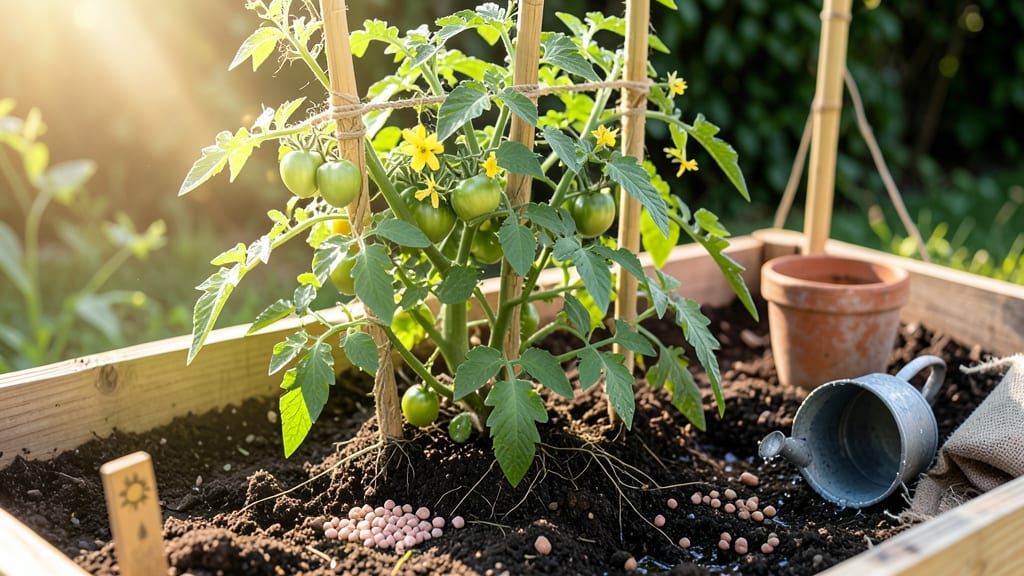
Making tomato plants grow faster isn't just about watering—it's about sunlight, soil, and a few sneaky tricks that turn floppy seedlings into robust producers. 🌱 I've watched my own plants go from struggling to producing pound after pound of fruit by adjusting just three key factors: where they sit, what they're planted in, and how I feed them.
The biggest game-changer? Full sun exposure—not just a few hours, but 6-8 hours daily of direct sunlight. My first attempt with partial shade resulted in leggy plants and tiny tomatoes. Once I moved them to the sunniest spot, the difference was shocking.
Pair that with well-draining soil rich in organic matter, and you've got the foundation for explosive growth. You'll see the first signs of improvement within 2-3 weeks: thicker stems, darker green leaves, and buds forming where there were none before.
The secret sauce? A balanced fertilizer routine that mirrors how tomatoes grow in the wild—lots of nutrients when they're young, then a shift to phosphorus and potassium as flowering begins. This works for both backyard gardens and container setups.
The same principles apply whether you're growing heirlooms or cherry tomatoes—just adjust the support structure and spacing. Let's get those plants thriving!
📚 In This Guide
- What you need
- Instructions
- Tips and common mistakes
- Wrapping up and next steps
What you need
- ● Tomato seeds or seedlings: Choose disease-resistant varieties (e.g., Early Girl, Cherry Roma, or Beefsteak) based on your climate and growing season.
- ● High-quality potting mix or garden soil: Opt for a well-draining mix rich in organic matter (e.g., 60% topsoil, 30% compost, 10% perlite or vermiculite). Avoid heavy clay soil.
- ● Containers or garden space: For containers: Use pots at least 5 gallons (18+ inches deep) with drainage holes. Plastic or fabric grow bags work well.
- ● For in-ground planting: Space plants 18–24 inches apart (for determinate varieties) or 24–36 inches apart (for indeterminate vines).
- ● Fertilizer: Start with a balanced, slow-release fertilizer (e.g., 10-10-10 or 5-5-5) or a tomato-specific blend high in phosphorus and potassium.
- ● Mulch: Straw, wood chips, or shredded leaves to retain moisture and suppress weeds.
- ● Support structures: Cages (5–6 feet tall) for determinate varieties.
- ● Trellises or stakes (6+ feet tall) for indeterminate varieties.
- ● Watering can or hose with a gentle spray nozzle: Tomato plants need consistent moisture without soggy roots.
- ● Pruning shears or scissors: For trimming suckers and shaping plants.
- ● Sunlight: 6–8+ hours of direct sunlight daily. Partial shade in hot climates can help prevent sunburn.
- ● Warmth: Soil temperature should be at least 60°F (15°C) for planting seeds or seedlings.
- ● pH-balanced soil: Aim for a pH of 6.0–6.8. Test your soil or amend with lime (to raise pH) or sulfur (to lower pH) if needed.
- ● Patience: Tomatoes take 60–90 days to fruit, depending on the variety!
- ● Epsom salt (magnesium sulfate) for leaf health (1 tablespoon per gallon of water, applied every 2 weeks).
- ● Compost tea or fish emulsion for a nutrient boost during flowering.
- ● Row covers or shade cloth for protection from pests or extreme heat.
- ● Drip irrigation system for automated, even watering.
- ● Garden journal to track growth stages, watering, and fertilizer schedules.
Step-by-step instructions for maximizing tomato plant growth
Here's the method I rely on to coax explosive growth from tomato plants—tried and true across seasons.
☀️ Step 1: Position for Full Sun Exposure
Tomatoes demand 6-8 hours of direct sunlight daily—no compromise. I place my plants in the sunniest spot possible, often rotating them a quarter turn every 3 days to prevent leaning. You'll notice stems growing straight and leaves developing a deep green hue when sunlight is perfect.
Morning sun is ideal because it warms leaves gradually. Avoid placing plants under afternoon sun in hot climates—you'll see leaves scorch within days. If your garden lacks full sun, supplement with a grow light positioned 12-18 inches above the plants for 14 hours daily.
🌱 Step 2: Feed with Balanced Fertilizer
Use a 5-10-10 or 10-10-10 fertilizer to encourage lush foliage and strong stems. I mix 1 tablespoon per plant into the top inch of soil at planting, then feed again when first flowers appear. You'll see new leaves emerge within a week—that's your signal everything is working.
Switch to a low-nitrogen, high-phosphorus fertilizer (like 3-12-6) once flowers form to boost fruit production. Never fertilize when plants look stressed—wait until they recover from transplant shock or drought. Overfeeding now leads to weak stems and disease susceptibility later.
💧 Step 3: Water Deeply at Soil Level
Water 1-2 inches deep every 2-3 days until the top 2 inches of soil feel dry. I use a soaker hose or drip irrigation to keep moisture at root level—watering leaves encourages disease. You'll know you're doing it right when the soil surface looks slightly damp but not glistening.
Mulch with 2-3 inches of straw or shredded leaves to retain moisture and prevent soil-borne diseases. Avoid wetting foliage, especially in humid conditions. Yellowing leaves often signal overwatering—let the soil dry slightly between waterings if this happens.
✂️ Step 4: Prune for Airflow and Fruit Production
Pinch off suckers (the small shoots growing between main stems and branches) when they're 1-2 inches long. I use clean pruners to make cuts at a 45-degree angle just above a leaf node. This encourages energy to go toward fruit production instead of leaf growth.
Remove any leaves touching the soil to prevent disease. You'll see stronger stems and heavier fruit loads after consistent pruning. Never remove more than 25% of the plant's foliage at once—this can shock the plant and reduce yield.
🌿 Step 5: Support and Train Vines
Install 6-foot tall stakes or cages at planting time to support the plant's weight. I tie the main stem to the stake with soft plant ties every 12-18 inches as it grows. This prevents stems from snapping under fruit weight and keeps plants upright.
For indeterminate varieties, weave vines gently through the cage or trellis. You'll notice better air circulation and fewer disease issues when plants are properly supported. Avoid tying too tightly—roots need room to expand as the plant grows.
Tips & tricks for perfect tomato plant growth
Common pitfalls—and how to sidestep every one—when nurturing your tomato plants to their full potential.
Sunlight Strategy: The 6-8 hours of direct sunlight is non-negotiable, but here's what I've learned: position your plants so they receive morning sun first—it warms leaves gradually and prevents the rapid heat stress that causes afternoon scorch. If you're using grow lights, place them 12-18 inches above the plants and run them for 14 hours daily to mimic natural daylight cycles. I've seen plants grow twice as fast when they get consistent light exposure from both sun and supplemental lighting.
Fertilizer Timing: The switch from 5-10-10 to 3-12-6 fertilizer at flowering is critical, but don't rush it. Wait until you see the first blooms before making that change—this ensures your plants have established strong roots and foliage first. I've made the mistake of switching too early, and it resulted in leggy plants with fewer fruits. Also, always water plants thoroughly before applying fertilizer to prevent root burn.
Watering Wisdom: Those 1-2 inches of water every 2-3 days should be applied slowly to allow absorption. I use a simple test: stick your finger 2 inches into the soil—if it feels dry, it's time to water. The key is consistency; tomato plants hate moisture fluctuations. Mulching with 2-3 inches of straw helps maintain even soil moisture and reduces evaporation, which is especially helpful in hot climates where water evaporates quickly.
Pruning Precision: When pinching off those 1-2 inch suckers, make your cuts at a 45-degree angle just above a leaf node. This technique promotes better healing and directs energy to fruit production. I've found that removing leaves touching the soil prevents disease while still allowing enough foliage to capture sunlight. Remember, never remove more than 25% of the plant's foliage at once—this can shock the plant and reduce its ability to photosynthesize effectively.
Pro Tips for Make Tomato Plants Grow
- Common pitfalls—and how to sidestep every one—when nurturing your tomato plants to their full potential.
- If you're using grow lights, place them 12-18 inches above the plants and run them for 14 hours daily to mimic natural daylight cycles.
- Fertilizer Timing: The switch from 5-10-10 to 3-12-6 fertilizer at flowering is critical, but don't rush it.
Frequently asked questions
Got questions about growing juicy, thriving tomato plants? You’re not alone! Here are answers to the most common queries—from timing tricks to troubleshooting woes—so you can grow like a pro.
How much sunlight do tomato plants really need?
Tomatoes are sun-hungry! Aim for 6–8 hours of direct sunlight daily. If your garden gets less, opt for cherry varieties (they tolerate partial shade better) or use reflective surfaces (like white walls) to bounce extra light their way. Morning sun + afternoon shade works too, especially in scorching climates.
When’s the best time to plant tomatoes?
Timing depends on your zone! Plant after the last frost when soil is at least 60°F (15°C). For warm climates, start in late winter/early spring; cooler areas may wait until May or June. Use biodegradable pots for seedlings to avoid root shock when transplanting.
Can I grow tomatoes in containers? What’s the best setup?
Choose 5-gallon+ containers for dwarf varieties (like ‘Tiny Tim’) or 10+ gallons for indeterminate types. Ensure drainage holes and use a lightweight potting mix (add perlite for aeration). Rotate pots weekly so plants lean toward the sun evenly.
Why are my tomato leaves turning yellow? How do I fix it?
Yellow leaves often signal overwatering, nutrient deficiency, or pests. Check soil moisture (it should be damp but not soggy). Feed with balanced fertilizer (10-10-10) or compost tea. For pests, spray neem oil or introduce ladybugs. Prune damaged leaves to redirect energy to fruit.
How do I boost fruit production on my tomato plants?
For more tomatoes, prune suckers (shoots in leaf junctions) to focus energy on fruit. Hand-pollinate by gently shaking plants on calm days. Side-dress with compost mid-season, and water at the base (not leaves) to prevent disease. Dwarf varieties often yield faster than vining types!
What’s the ideal temperature for tomato growth?
Tomatoes thrive in 70–85°F (21–29°C) days and 55–65°F (13–18°C) nights. Below 50°F (10°C) stunts growth, while above 90°F (32°C) causes blossom drop. Use row covers for early spring or shade cloth in peak summer to protect plants.
| Quick Fixes for Common Issues |
|---|
| Blossom End Rot: Add crushed eggshells or calcium nitrate to soil; keep soil moist. |
| Slow Growth: Test soil pH (6.0–6.8 is ideal); add worm castings for nutrients. |
| Pests (Aphids/Whiteflies): Blast off with water or use soapy water spray (1 tsp mild soap per quart). |
Wrapping up and next steps
Growing thriving tomato plants is all about patience, proper care, and a little know-how! 🌱 With the right balance of sunlight, nutrient-rich soil, and consistent attention, your plants will reward you with delicious, homegrown tomatoes in no time.
Start small, experiment with techniques, and don’t be afraid to troubleshoot—every gardener learns along the way!
Now that you’re armed with these sunlight and soil secrets, it’s time to roll up your sleeves and plant your first seeds or seedlings. Happy growing—your future harvest is waiting! 🍅✨