
How To
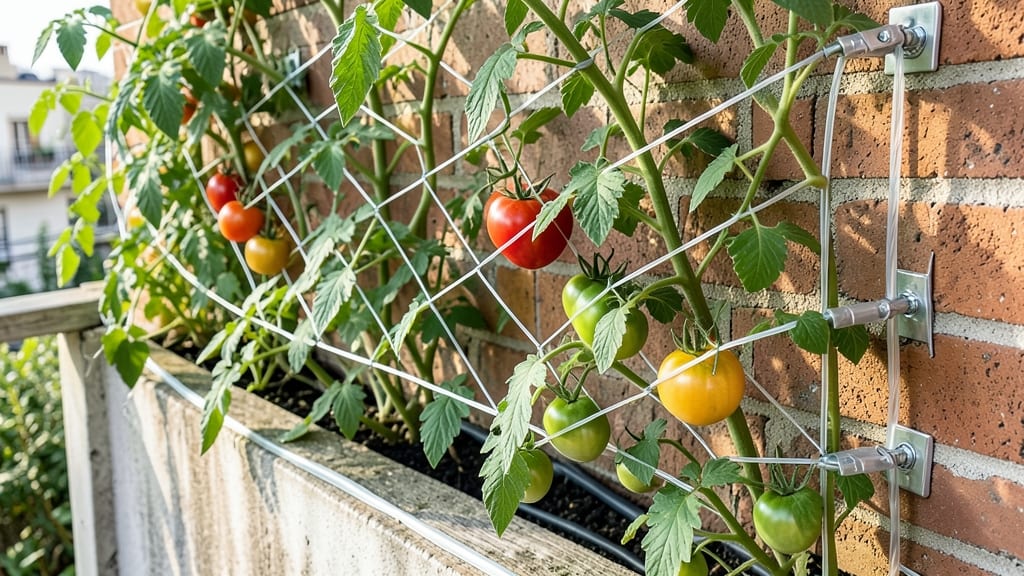
Struggling with floppy tomato plants that snap under fruit weight? Proper staking with string transforms weak vines into sturdy structures that support heavier harvests. These 10 string-staking methods work for every tomato variety and garden space.
Single String Leader Staking Method
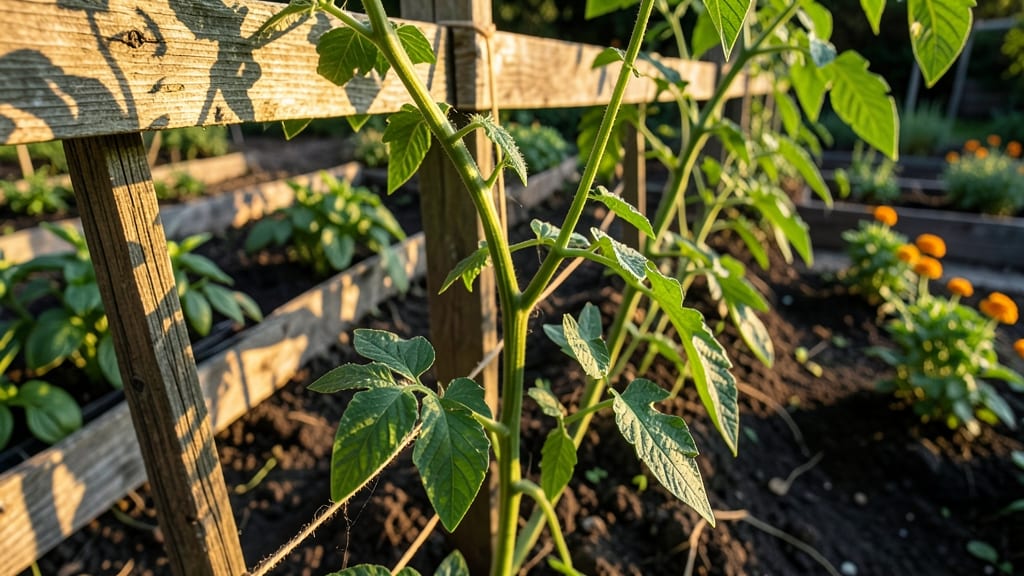
If you grow indeterminate tomato varieties like 'Sungold' or 'Brandywine', the single string leader method is your secret weapon against sprawling vines. This simple technique guides the main stem vertically while keeping side suckers in check—perfect for small gardens or trellis systems where space is limited.
Start by inserting a 6-foot stake (wooden or metal) next to your seedling at planting time. As the plant grows, tie a soft twine (like jute or cotton) loosely around the main stem and stake in a figure-eight pattern, adjusting every 7-10 days to prevent constriction. This method encourages upward growth while allowing airflow to reduce disease risk. For container gardens, use a 3-foot stake to save space.
Urban gardeners and balcony growers will love how this method maximizes vertical space without sacrificing yield. The key is patience—your indeterminate vines will thank you with heavier, more accessible fruit all season long. 🌱
Florida Weave Staking Technique
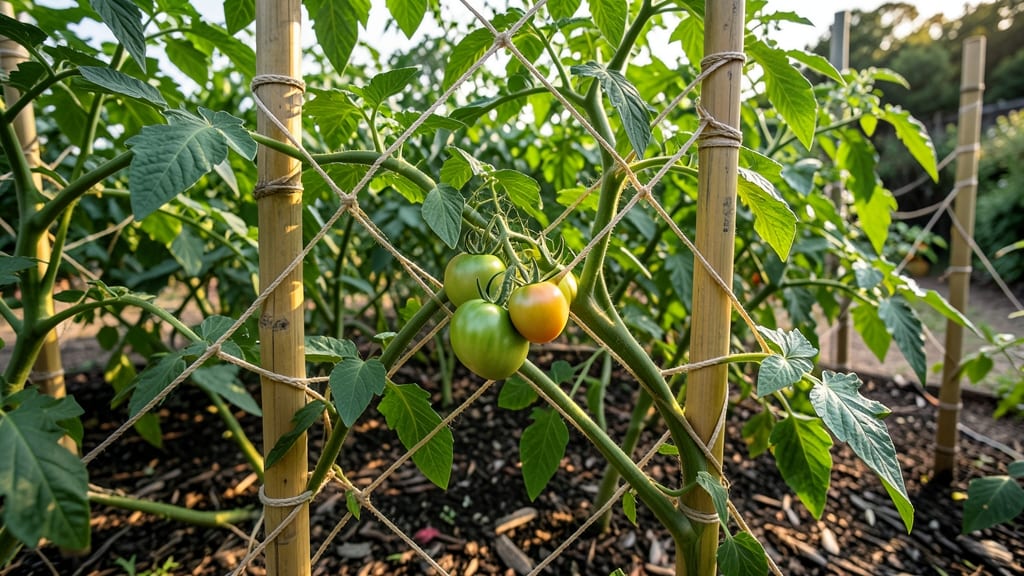
Looking to scale up your tomato production without sacrificing plant health? The Florida Weave Staking Technique—patented and widely used in commercial agriculture—offers a non-restrictive approach that guides vines upward while allowing natural growth patterns. Unlike traditional staking, this method uses a zigzag twine weave that cradles the stem gently, reducing the risk of stem damage as plants mature.
Start by installing a 6-8 foot metal or wooden stake near the tomato plant at planting time. As the vine grows, weave soft jute or polyester twine in a diagonal crisscross pattern (every 6-12 inches), securing it loosely enough to allow the stem to thicken naturally. This technique works best for indeterminate varieties like 'Sungold' or 'Brandywine' and supports heavy fruit loads without breaking. For large-scale gardens, pre-install stakes in rows before transplanting seedlings to save time.
This method is a game-changer for commercial growers and large backyard gardens where space and efficiency matter. The gentle support system reduces labor costs by minimizing stem adjustments while maximizing yield potential. 🌟
Cage-Style String Support System
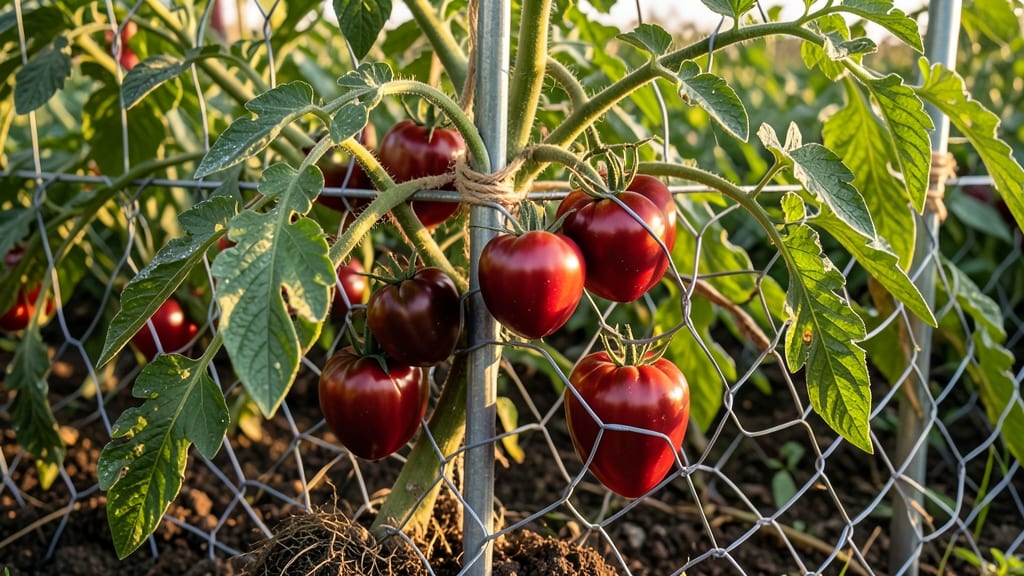
If your beefsteak tomatoes are struggling to support their massive fruit load, this hybrid system combines the best of cages and string for unmatched stability. The wire cage provides the foundational structure while soft twine reinforces key branches, preventing them from snapping under weight.
Start by installing a 5-foot wire tomato cage (at least 18-gauge) around your plant at transplant time. As the main stem grows, use soft jute twine to gently secure it to the cage every 12 inches. For lateral branches, weave twine through the cage wires to create a cradle that holds heavy fruit clusters without restricting growth. This system works particularly well for heirloom varieties that produce 1-pound tomatoes or larger.
This method is ideal for gardeners who want the durability of cages with the flexibility of string supports. It's especially valuable for containers or raised beds where traditional staking might be less effective. 🌟
Soft Twine Loop Method
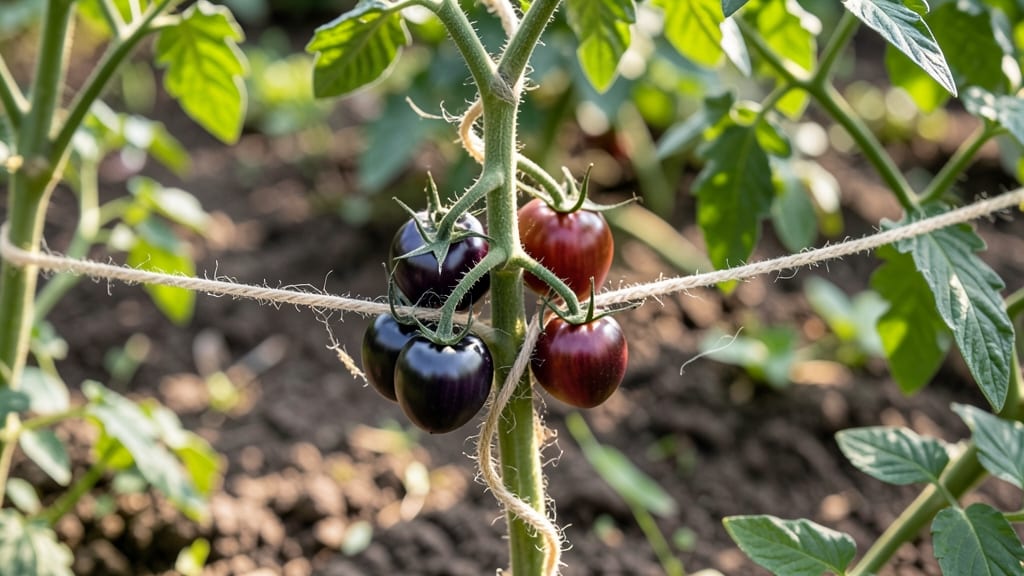
If you grow delicate heirloom tomatoes with tender stems, tight knots and rigid stakes can cause permanent damage. The soft twine loop method offers a gentle alternative that cradles vines while guiding them upward—ideal for varieties like 'Brandywine' or 'Cherokee Purple' that need support without stress.
Start by threading a 3-4 foot section of soft jute twine through the center of a bamboo stake. Instead of tying knots, create loose loops (about 6 inches apart) that wrap around the main stem without constricting it. As the plant grows, simply add more loops—never pull tight. This method prevents stem scarring while maintaining vertical growth for better air circulation and sunlight exposure.
Perfect for gardeners who prioritize plant health over rigid structure, this technique works especially well in organic gardens where you want to avoid synthetic materials. The gentle approach also makes it easier to adjust as your heirlooms mature. 🌱
Trellis String Grid System
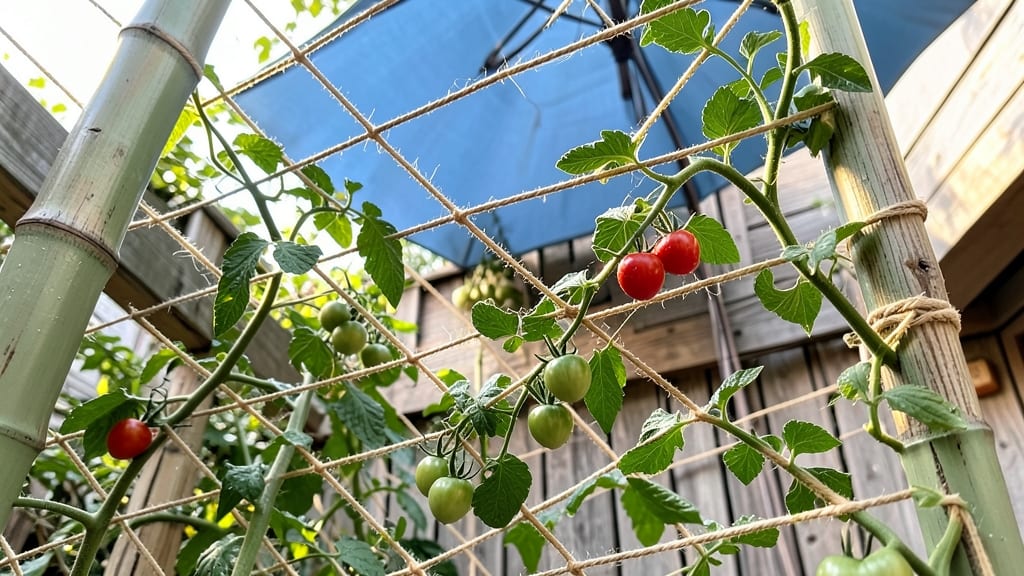
Turn your small patio into a tomato powerhouse with a trellis string grid system—the secret weapon for container gardening. This method transforms limited space into a vertical harvest zone by creating a crisscross pattern of string that supports multiple branches at once, perfect for heavy-fruiting varieties like Roma or Beefsteak.
Start by installing a lightweight trellis frame in your container, then stretch twine horizontally and vertically in a grid (about 6–12 inches apart). Gently weave tomato vines through the grid as they grow, securing them with soft ties every 12–18 inches. The grid distributes weight evenly, preventing breakage while encouraging upward growth. For best results, use biodegradable twine to avoid stem damage and water regularly to keep vines flexible.
This system is a game-changer for urban gardeners with balconies or rooftops, maximizing yield in small spaces. Even beginners can master it—just adjust the string as plants grow! 🌱
Bamboo Stick Cluster Staking
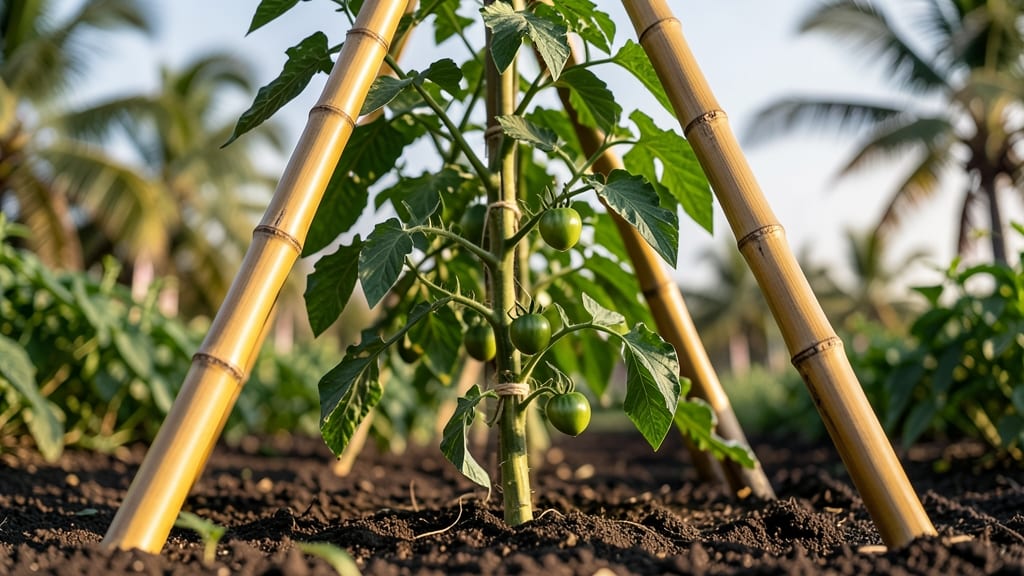
If your garden battles strong coastal winds or you grow tropical tomato varieties, bamboo stick cluster staking offers the perfect solution. This traditional Asian method uses three or more bamboo stakes arranged in a triangular base, providing unmatched stability while allowing natural airflow around the plant.
Start by driving three 4-5 foot bamboo stakes into the ground about 6 inches apart in a triangle formation. Tie them together at the base with soft twine, then loosely weave the tomato vine through the center. As the plant grows, gently guide it upward between the stakes, securing it every 12-18 inches with soft ties. The natural flexibility of bamboo absorbs wind movement while maintaining structure—ideal for wind-prone coastal gardens or heat-loving varieties like 'Solar Fire' or 'Heatmaster'.
This method works beautifully for gardeners in USDA zones 9-11 or anyone growing tomatoes near large bodies of water. The open structure also prevents soil splatter during heavy rains, keeping foliage healthier for longer. 🌿
Hanging String Support Technique
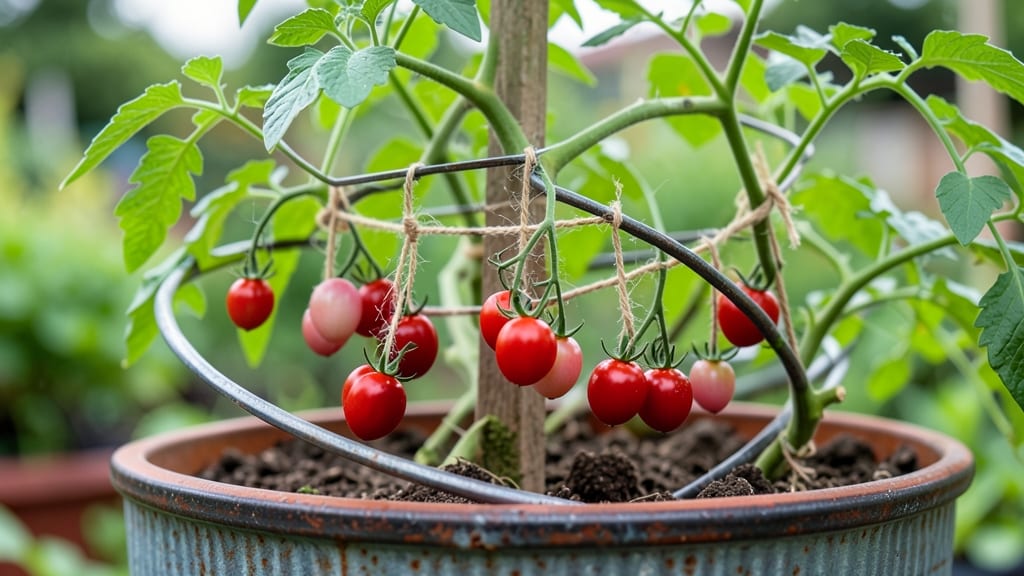
Tired of cherry tomatoes rotting from soil contact or snapping under their own weight? The hanging string support technique lifts vines just enough to prevent disease while keeping clusters accessible for harvesting. This method is especially brilliant for container gardens or small spaces where traditional stakes won’t fit.
Start by attaching a strong, overhead string (like jute or polyester twine) to a sturdy hoop or frame. Secure the main stem gently with a loop, leaving just 1-2 inches of clearance above the soil. As the plant grows, continue tying new loops every 6-8 inches to distribute weight. The slight elevation reduces soil-borne diseases like blight while keeping fruit off damp ground.
This approach works best for cherry tomato varieties like 'Sweet 100' or 'Sun Gold,' where clusters can get heavy. Urban gardeners with limited space will love how it maximizes vertical growth without taking up bed space. 🌱
Windproof String Braiding
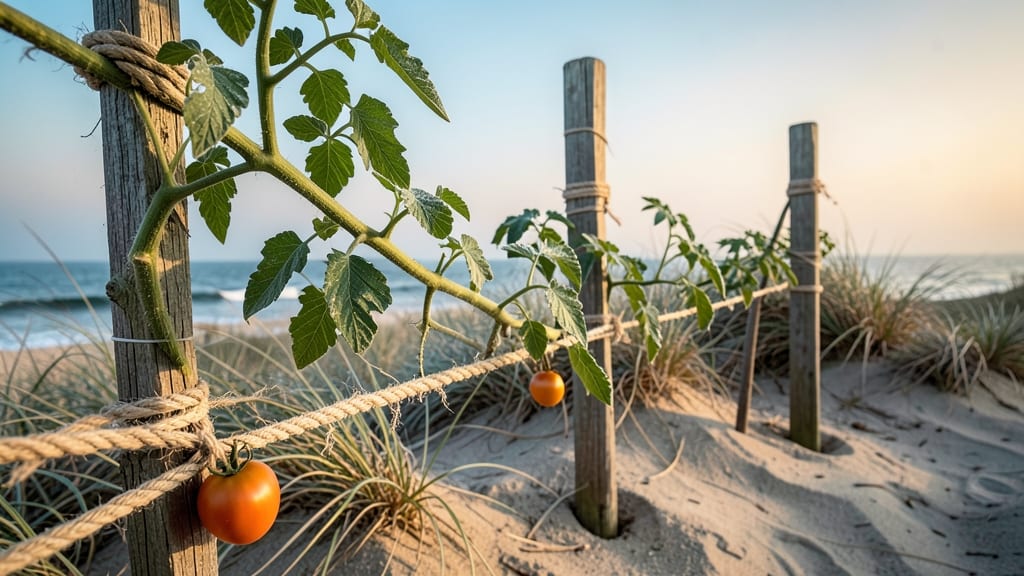
Living near the coast means your tomato plants face a double challenge: salt spray and relentless winds that can snap tender vines. The windproof string braiding method creates a reinforced support system that keeps plants upright even in 30+ mph winds, ensuring your late-season harvest stays intact.
Start by braiding three 3/8-inch jute strings together for extra thickness, then secure the base around a metal or PVC stake (bury it 18 inches deep for stability). As your tomato grows, weave the braid upward in a spiral pattern, adjusting every 6-8 inches to accommodate growth. For extra coastal resilience, add a layer of plastic mulch around the base to protect against salt damage.
This method is ideal for gardeners in Zone 8-10 who want to extend their growing season without sacrificing yield. The braided design distributes wind pressure evenly, preventing stem damage while keeping tomatoes accessible for picking. 💪
Biodegradable Twine Method
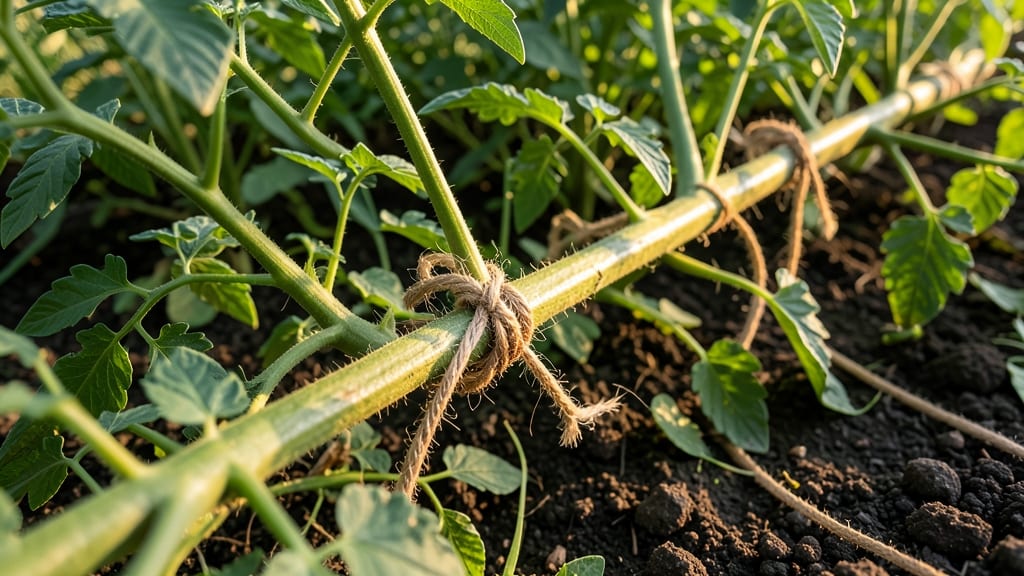
Skip the plastic and synthetic supports—your tomato plants deserve biodegradable twine that nourishes the soil instead of harming it. Made from hemp or cotton, this plant-based twine breaks down naturally, leaving no microplastics behind while still providing the strength to support indeterminate varieties like Sungold or Cherokee Purple.
Start by tying the twine in a figure-eight pattern around the main stem and a sturdy wooden stake, adjusting every 7-10 days as the vine grows. For extra gentleness, use untreated hemp twine—it’s softer on stems and won’t leave scars. This method is perfect for organic gardeners who prioritize zero-waste practices and want to avoid synthetic materials that can leach chemicals into the soil.
Perfect for backyard growers committed to sustainability, this approach ensures your tomatoes thrive while keeping your garden ecosystem healthy. 🌱
Modular String Extension System

Turn your urban balcony or rooftop into a thriving tomato garden with a modular string extension system—the ultimate space-saving solution for vertical growers. This adaptable method lets you attach string to wall-mounted clips or brackets, creating a customizable vertical growing wall that expands as your plants mature.
Start by installing adjustable hooks or clips along your wall at 12-inch intervals, then thread your string through them, leaving enough slack to gently guide vines upward. Use soft twine or jute to avoid damaging stems, and adjust the height as your plants grow. This system works perfectly with determinate or indeterminate varieties, making it ideal for city dwellers with limited floor space.
Perfect for renters, small-space gardeners, and anyone who wants to maximize vertical growing potential, this method keeps your tomatoes off the ground while creating a stunning green wall. 🌱