
Companion Plants
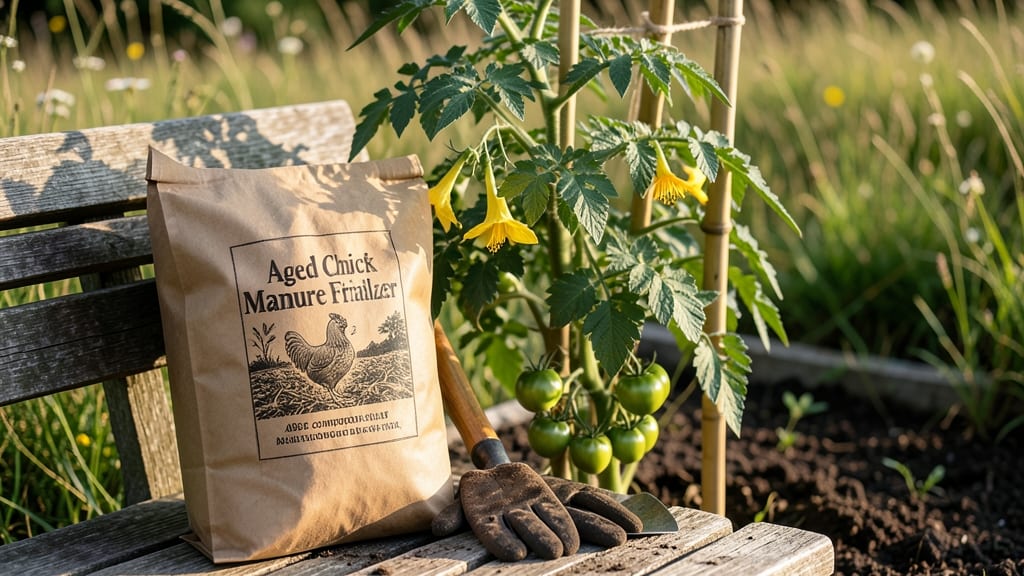
Chicken manure is good for tomato plants when composted properly, providing rich nitrogen and nutrients, but fresh manure can cause nitrogen burn or disease due to high ammonia levels and pathogens. Always compost for 3-6 months before use.
Tomato plants thrive with chicken manure's nutrient profile, especially its high nitrogen content that fuels leafy growth and fruit production. 🌱 However, the key is proper aging—fresh manure's high ammonia can scorch plant roots and attract pests.
I've seen firsthand how composted chicken manure transforms soil structure while avoiding the risks of raw applications. For best results, mix it into the soil before planting or use as a top dressing in early spring.
What sets chicken manure apart is its balanced NPK ratio (nitrogen, phosphorus, potassium), which supports both vigorous growth and flowering. The microbial activity in well-aged compost also helps break down organic matter, creating a healthier root zone.
If you're working with fresh manure, consider blending it with straw or wood chips to reduce ammonia volatility before composting.
💡 In This Article
- How Chicken Manure Affects Tomato Plant Growth
- Safe Ways to Use Chicken Manure for Tomatoes
How chicken manure affects tomato plant growth
Chicken manure packs a powerful nutrient punch, particularly nitrogen, which tomato plants crave for lush foliage and robust fruit production. The typical nitrogen content sits around 1.5-3.5% by weight, with phosphorus (1-2%) and potassium (0.5-1.5%) providing secondary benefits.
This NPK ratio (like 3-2-1) makes it ideal for leafy growth and flowering stages, but the key lies in how these nutrients are released. Fresh manure delivers a rapid nitrogen hit through ammonia, which can overwhelm plant roots and cause nitrogen burn—visible as yellowed leaves and stunted growth.
The magic happens when manure composts properly. During decomposition, microbes break down ammonia into plant-available nitrate forms while stabilizing the nutrient release over 3-6 months. Composted chicken manure also improves soil structure by adding 20-30% organic matter, which enhances water retention and microbial activity.
I've noticed in my garden that composted manure creates a spongy, dark brown crumbly texture—almost like rich forest soil—that tomato roots adore for oxygen exchange. The microbial diversity in aged manure also helps suppress harmful pathogens that can attack tomato plants.
Fresh manure poses two major risks: ammonia toxicity and pathogen contamination. The ammonia concentration in fresh droppings can reach 0.5-1.5%, creating a pH shock that damages root hairs and inhibits nutrient uptake.
Pathogens like E. coli and Salmonella also thrive in raw manure, which can contaminate edible tomato fruits. The smell is another giveaway—fresh manure emits a strong, pungent ammonia odor that dissipates during proper composting, leaving behind a more earthy, sweet aroma that signals safety for plants.
For tomato plants specifically, the right application timing matters. Pre-planting incorporation of composted manure provides a slow-release nutrient base, while mid-season applications can give a gentle boost during fruiting.
I've found that 1-2 cups of finished compost per plant mixed into the top 6 inches of soil works wonders without overfeeding.
The key is balance—too much nitrogen late in the season can lead to excessive foliage at the expense of fruit development, while proper composting ensures the nutrients align with the plant's growth stages.
Consider this comparison: Fresh chicken manure is like giving a tomato plant a caffeine shot—too much too fast causes jitters (burnt roots). Composted manure, however, is more like a slow-release vitamin drip, providing steady nourishment without stress.
The microbial activity in composted manure also produces beneficial byproducts like humic acids, which enhance nutrient availability and plant immunity. This is why organic gardeners swear by well-aged compost—it's not just about the nutrients, but the entire ecosystem it creates in the soil.
One advanced technique I've experimented with is creating a compost tea from well-aged chicken manure. By steeping compost in water for 24-48 hours and using the liquid (not the solids), you get a nutrient-rich solution that can be applied as a foliar spray or soil drench.
This method delivers nutrients faster than solid compost while avoiding the risk of over-fertilization. The tea has a dark amber color and smells earthy with hints of decaying plant matter—completely different from the harsh ammonia stench of fresh manure.