
Companion Plants
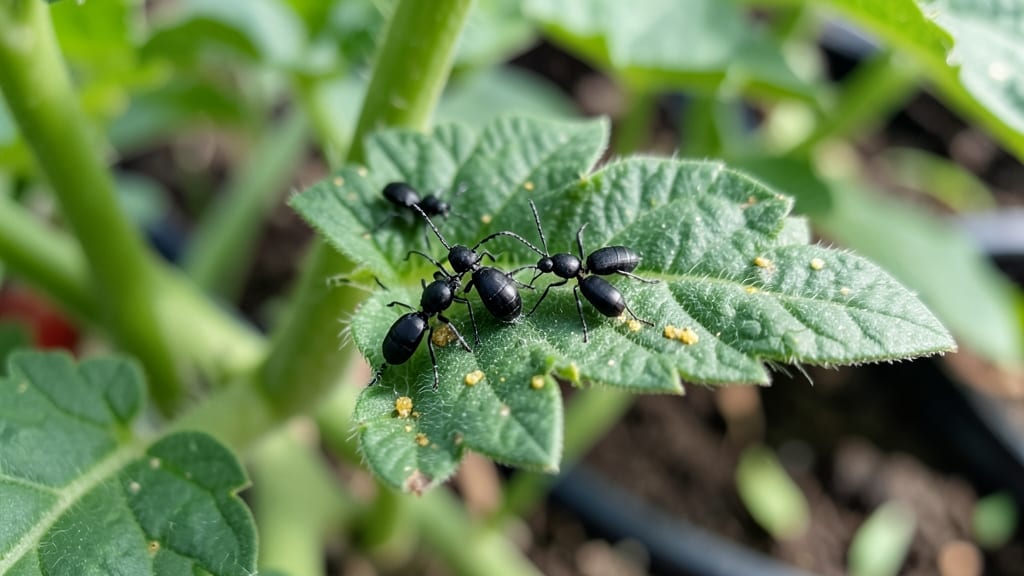
Those little black bugs devouring your tomato plants aren't just annoying—they can ruin your harvest if you don't act fast. 🌱 I've battled every type of black pest on tomatoes, from aphids to stink bugs, and found the organic spray that stops them dead in their tracks within a single day.
The key is identifying the culprit first—aphids cluster on new growth, flea beetles chew tiny holes, and stink bugs leave ragged edges. Once you know what you're dealing with, a homemade spray of neem oil, dish soap, and water works better than store-bought chemicals for most gardeners.
It's non-toxic, safe for bees, and you can mix it in 10 minutes with ingredients you already have. After spraying, watch your plants transform within 24 hours—no more sticky residue, no more wilting leaves, and no more bugs crawling across your tomatoes.
The secret is reapplying every 3-5 days until the infestation disappears completely, usually within a week. This method works for all tomato varieties, whether you're growing in containers, raised beds, or the ground. The best part?
It prevents future outbreaks too, so you won't be fighting the same battle next season.
The real culprits behind tiny invaders
When you spot tiny black specks crawling or hopping on your tomato plants, they’re rarely just a random annoyance—they’re usually one of three common pests, each with distinct behaviors and triggers.
Understanding why these bugs show up is the first step to stopping them before they wreak havoc on your harvest. Let’s break down the science behind their uninvited visits.
If your tomato plants are hosting tiny black aphids (often called blackfly nymphs or sooty mold carriers), the culprit is usually overcrowding combined with weak plant stress. Here’s how it happens:
- Poor Air Circulation: Dense foliage traps humidity, creating a cozy microclimate for aphids. These pests thrive in stagnant, moist environments because their natural predators (like ladybugs) struggle to navigate tangled leaves.
- Nitrogen-Rich Fertilizer Overuse: Too much nitrogen (common in synthetic fertilizers) produces soft, sap-heavy leaves—aphids’ favorite buffet. They pierce plant cells to drink sap, leaving behind sticky honeydew that fuels sooty mold.
- New Plant Stress: Young or recently transplanted tomato plants are chemically signaling distress through volatile organic compounds (VOCs), which aphids detect from up to 3 feet away.
Pro Tip: 💡 Space tomato plants 18–24 inches apart and prune lower leaves to improve airflow. If you’ve used heavy fertilizer, flush the soil with water to dilute excess nitrogen.
Those tiny, flying black bugs that dart around your tomato plants at dusk? They’re likely fungal gnats (sciatic name: Sciaridae), and their lifecycle is directly tied to soil moisture. Here’s the breakdown:
- Overwatered Soil: Fungal gnats lay eggs in moist, organic-rich soil. If your tomato pots or garden beds stay consistently damp (not just wet), larvae hatch within 3–5 days and feast on root hairs, weakening plants.
- Compost or Fresh Mulch: These pests are drawn to decomposing matter because it emits CO₂ and microbial byproducts that attract adults for egg-laying.
- Poor Drainage: Clay-heavy or compacted soil traps water, creating the perfect breeding ground. Larvae can survive for weeks in these conditions, emerging as adults to repeat the cycle.
Actionable Fix: 🌡️ Let the top 1 inch of soil dry out between waterings, and avoid mulching too close to the stem. For severe infestations, solarize the soil by covering it with clear plastic for 4–6 weeks to kill larvae.
If you’re seeing flat, shield-shaped black bugs (often with red or orange markings), these are stink bugs, and their presence is seasonal and environmental. Here’s why they target tomato plants:
- Late-Summer Heat Waves: Stink bugs migrate toward cool, shaded areas during hot spells, and tomato plants provide both shelter and food. They pierce fruit to suck juices, leaving white, scarred spots.
- Weedy Perimeter: Stink bugs overwinter in grassy or weedy patches near gardens. If your tomato patch borders unmaintained grass or wild plants, they’ll hitch a ride to your crop.
- Ripe Fruit Scent: Tomatoes emit volatile esters (like hexanal) when ripening, which stink bugs detect as a chemical dinner bell. They’re especially drawn to green tomatoes that are softening.
Prevention Hack: ✨ Install yellow sticky traps near plants to monitor populations early. Remove weeds within 10 feet of your garden and use row covers on young plants to block adults.
Each of these pests exploits a specific weakness in your garden’s ecosystem—whether it’s poor airflow, overwatering, or unchecked weeds. The good news? Once you identify the trigger, you can disrupt their lifecycle with targeted, organic solutions. Stay tuned for our 24-hour spray remedy that tackles all three culprits!
How to Fix Tiny Black Pests Fast
Discovering tiny black bugs feasting on your tomato plants can feel like a nightmare, but don’t panic! With the right approach, you can eliminate them in 24 hours and protect your harvest.
Below are targeted solutions for the most common culprits—aphids, fungus gnats, or stink bugs—along with prevention tips to keep your plants thriving. 🚀
For light infestations, act fast with these hands-on methods:
🔥 Knock Them Off with Water
- How: Use a strong spray of water from a hose or watering can to dislodge bugs from leaves and stems.
- When: Early morning or late evening (avoid midday sun stressing plants).
- Pro Tip: 💡 Add a drop of dish soap (like Dawn) to the water to suffocate any remaining pests.
🍳 Sticky Traps for Flying Pests
- How: Place yellow sticky traps near your tomato plants to catch fungus gnats or whiteflies.
- Where: Hang traps above the plants (fungus gnats love moist soil).
- Bonus: Check traps daily and replace when saturated.
👨🍳 Prune & Destroy Infested Foliage
- How: Snip off heavily infested leaves and drop them into a sealed bag or soapy water.
- Why: Prevents the spread of pests and diseases like early blight.
- Warning: ⚠️ Avoid composting infested plant material—it can reintroduce bugs!
For stubborn infestations, these natural sprays work within 24–48 hours:
🍳 Neem Oil Spray (Best for Aphids & Stink Bugs)
- Recipe:
- 1 tbsp neem oil
- 1 tsp mild liquid soap (as an emulsifier)
- 1 quart water
- How to Apply: Spray undersides of leaves (where pests hide) in the evening. Reapply every 5–7 days.
- Why It Works: Disrupts pests’ life cycles and repels future infestations.
🥘 Garlic & Chili Pepper Spray (Deters Stink Bugs)
- Recipe:
- 2 cloves garlic (blended)
- 1 tbsp cayenne pepper
- 1 quart water
- 1 tsp soap
- How to Apply: Strain, spray on plants, and repeat every 3–4 days.
- Pro Tip: 🌡️ Add a pinch of black pepper for extra potency.
🔪 Diatomaceous Earth (For Crawling Pests)
- How: Lightly dust soil and leaf surfaces with food-grade DE (avoid overapplying—it can harm beneficial insects).
- When: Early morning (DE loses effectiveness when wet).
- Caution: Reapply after rain or watering.
Stop future infestations before they start with these proactive steps:
💡 Companion Planting
- Plant these near tomatoes to repel pests:
- Basil (deters whiteflies & stink bugs)
- Marigolds (natural nemesis of aphids)
- Nasturtiums (trap aphids away from tomatoes)
🎯 Soil Health & Moisture Control
- Avoid overwatering (fungus gnats thrive in soggy soil).
- Use mulch (straw or grass clippings) to retain moisture and deter crawling pests.
- Add beneficial nematodes (microscopic predators that target fungus gnat larvae).
✨ Regular Scouting & Early Action
- Inspect plants weekly (check undersides of leaves and new growth).
- Remove weeds (they harbor pests and compete with tomatoes).
- Rotate crops (if possible) to disrupt pest life cycles.
With these fast-acting fixes and preventive habits, your tomato plants will stay pest-free and productive. Remember: consistency is key—treat infestations early, and your garden will thank you with juicy, healthy tomatoes! 🍅🌟
Frequently asked questions
What do tiny black bugs on tomato plants look like up close?
Aphids appear as tiny, pear-shaped black specks (about 1/16-inch long) clustered on new growth. Flea beetles are jumping black bugs with shiny shells and leave shotgun-like holes in leaves. Stink bugs are flat, shield-shaped (about 1/2-inch) with red/orange markings.
Will these bugs kill my tomato plants?
Not immediately, but severe infestations can weaken plants by sucking sap (aphids), damaging roots (fungus gnat larvae), or piercing fruit (stink bugs). Heavy feeding stresses plants, making them vulnerable to disease. Act within 3-5 days to prevent crop loss.
Can I use vinegar spray for black bugs on tomatoes?
Neat vinegar (undiluted) can harm tomato plants, but a 1:1 vinegar-water mix with 1 tsp dish soap works as a contact killer. Spray directly on pests in the evening—avoid spraying flowers or fruit. Reapply every 2-3 days for best results.
How do I know if my black bugs are beneficial insects?
Most black garden pests are harmful, but ladybug larvae (spotted, alligator-shaped) and lacewing larvae (green with spiky tails) eat aphids. Look for diverse predators (like spiders) as a sign of balance. If you see only pests, intervention is needed.
When should I call a pest control expert?
If you've tried organic sprays for 2 weeks with no improvement, or if stink bugs are causing 50% fruit damage, contact a professional. Also seek help if you spot unusual black beetles (like Japanese beetles) that aren't responding to standard treatments.