
Plants
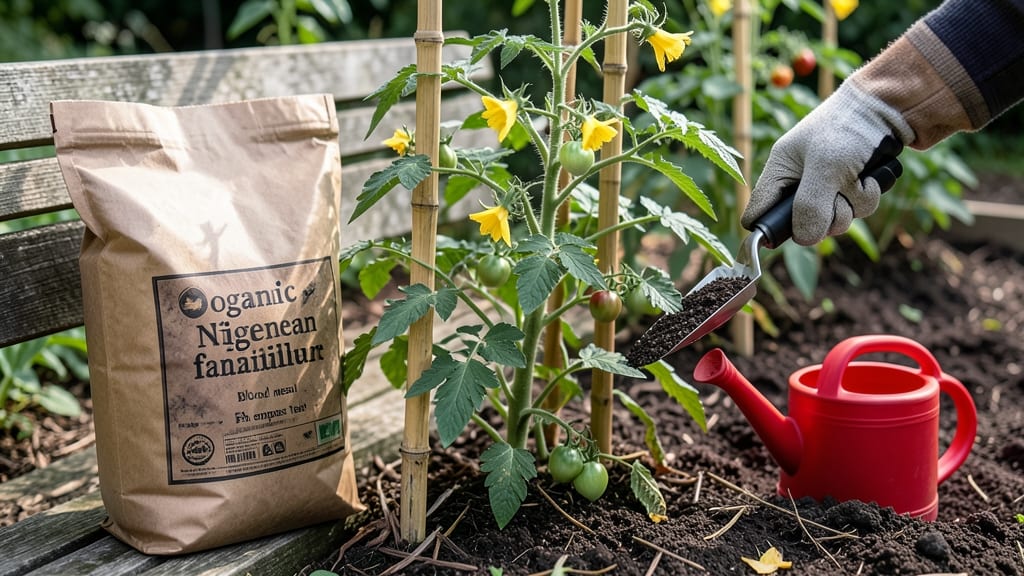
Growing tomato plants with the right nitrogen balance is the key to lush vines and heavy fruit production 🍅 — but most gardeners either overdo it or miss the mark entirely.
Picture this: your tomatoes are throwing out leaves like crazy, but the fruit stays small and sparse. That’s your plant screaming for a nitrogen adjustment — not more of the same.
Too much nitrogen sends energy to foliage instead of where it counts, while too little stunts growth and leaves your harvest lacking.
In this guide, I’ll break down exactly how much nitrogen your tomato plants need at each stage, the best organic and synthetic sources to use, and when to feed them without burning the roots or sacrificing flavor. No guesswork, just science-backed tips to turn your garden into a fruit factory.
You’ll learn how to spot nitrogen deficiency (yellowing leaves, weak stems) and excess (leafy monsters with no tomatoes), plus the easiest ways to balance it naturally — whether you’re using compost, fish emulsion, or a quick synthetic boost.
Let’s get your tomatoes producing like they’re in a greenhouse, not just surviving in the soil.
How much nitrogen do tomato plants really need for maximum fruit production?
Tomatoes are heavy feeders, especially when it comes to nitrogen. This essential nutrient fuels leafy growth and early development, but too much can backfire by delaying fruiting or causing blossom end rot.
The key is balancing nitrogen during the vegetative stage while shifting focus to phosphorus and potassium when flowers appear. Let’s break down the science so you can optimize your harvest.
Nitrogen requirements change dramatically as tomatoes transition from seedlings to fruiting plants. Young plants need more nitrogen to build strong stems and leaves, but overfeeding during flowering can divert energy away from fruit production.
Research shows that excess nitrogen can lead to delayed ripening and even reduced sweetness in tomatoes. The trick is timing—understanding when to feed and how much.
Before diving into fertilizers, test your soil. A simple home soil test kit (costing $10–$20) reveals your current nitrogen levels and pH. Tomatoes thrive in slightly acidic soil (pH 6.0–6.8).
If your soil tests low in nitrogen (below 20 ppm), organic amendments like compost or aged manure can boost levels naturally. For higher deficiencies, a balanced fertilizer (10-10-10) is a safe starting point.
| Growth Stage | Nitrogen Needs | Optimal NPK Ratio | Signs of Imbalance |
|---|---|---|---|
| Seedling (0–3 weeks) | Low (5–10 ppm) | 5-10-10 | Yellowing leaves (chlorosis) |
| Vegetative (3–6 weeks) | Moderate (20–30 ppm) | 10-10-10 | Lush leaves, no flowers |
| Flowering (6–8 weeks) | Low (10–15 ppm) | 5-10-20 | Blossom end rot, stunted growth |
| Fruiting (8+ weeks) | Very Low (5–10 ppm) | 2-10-20 | Leaf yellowing, small fruit |
During the vegetative stage (weeks 3–6), tomatoes prioritize leaf and stem growth. This is when they need the most nitrogen—around 20–30 ppm in the soil. A 10-10-10 fertilizer applied every 4–6 weeks works well, but avoid overdoing it.
Too much nitrogen here can lead to excessive foliage and fewer tomatoes. Think of it like a buffet: too many options (leaves) mean less room for the main course (fruit).
When flowers appear, reduce nitrogen and increase phosphorus (P) and potassium (K). A 5-10-20 ratio encourages root development and fruit set. This shift is critical—studies show that high nitrogen during flowering can cause blossom drop and poor fruit development.
If your plants are flowering but not fruiting, they’re likely getting too much nitrogen. Prune some leaves to redirect energy to flowers.
Watch for visual cues of nitrogen imbalance. Yellowing leaves (especially older ones) signal deficiency, while dark green, glossy leaves with no flowers mean excess. Another red flag is blossom end rot, often caused by uneven calcium uptake due to nitrogen overload.
If you see this, flush the soil with water to dilute excess nutrients and switch to a low-nitrogen fertilizer like 5-10-10.
Organic gardeners can use compost tea or fish emulsion for a gentle nitrogen boost during the vegetative stage. For synthetic options, ammonium sulfate releases nitrogen quickly but can burn roots if overapplied.
Always water thoroughly after fertilizing to help nutrients absorb evenly. Pro tip: Side-dress with compost or a low-nitrogen fertilizer when plants are 6 inches tall and again when flowers appear.
Timing matters just as much as quantity. Apply nitrogen in early spring (before planting) and early summer (when plants are 6–8 inches tall). Avoid feeding after mid-summer, as this can stimulate late-season growth that won’t ripen before frost. In container gardens, nitrogen leaches out faster, so
Best organic and synthetic nitrogen sources for tomato plants compared
Choosing the right nitrogen source for your tomato plants can mean the difference between lush foliage and a bountiful harvest. Organic options like compost or fish emulsion feed soil health long-term, while synthetic fertilizers like urea deliver quick results.
Each has unique benefits—let’s break down the best choices for your garden.
Nitrogen comes in two main forms: ammonium (quick-release) and nitrate (slow-release). Ammonium sources like ammonium sulfate work fast but can burn roots if overused, while nitrate-based fertilizers like calcium nitrate are gentler and ideal for fruiting stages. Organic options release nitrogen gradually, improving soil structure over time.
For organic gardeners, compost and worm castings are my top picks—they improve soil fertility while releasing nitrogen slowly. Fish emulsion is another favorite for its balanced nutrients and ease of application, especially during flowering.
If you need a quick boost, ammonium sulfate or urea deliver results fast but require careful dosing to avoid root burn.
Cost-wise, urea and ammonium sulfate are the most budget-friendly, while fish emulsion and blood meal offer premium performance at a higher price. Compost is the ultimate long-term investment, reducing the need for synthetic fertilizers over time. For container-grown tomatoes, water-soluble fertilizers like fish emulsion are ideal—they won’t clump in pots.
Pro tip: Mix organic and synthetic sources for the best of both worlds. Start with compost at planting, then side-dress with ammonium sulfate during vegetative growth. Shift to nitrate-based fertilizers like calcium nitrate once flowers appear to support fruit development without excessive leafy growth.
Remember, less is more with nitrogen—too much leads to weak stems, fewer flowers, and even blossom end rot. Always follow package rates and monitor your plants for signs of deficiency (yellowing leaves) or excess (dark green, leggy growth).