
Planting
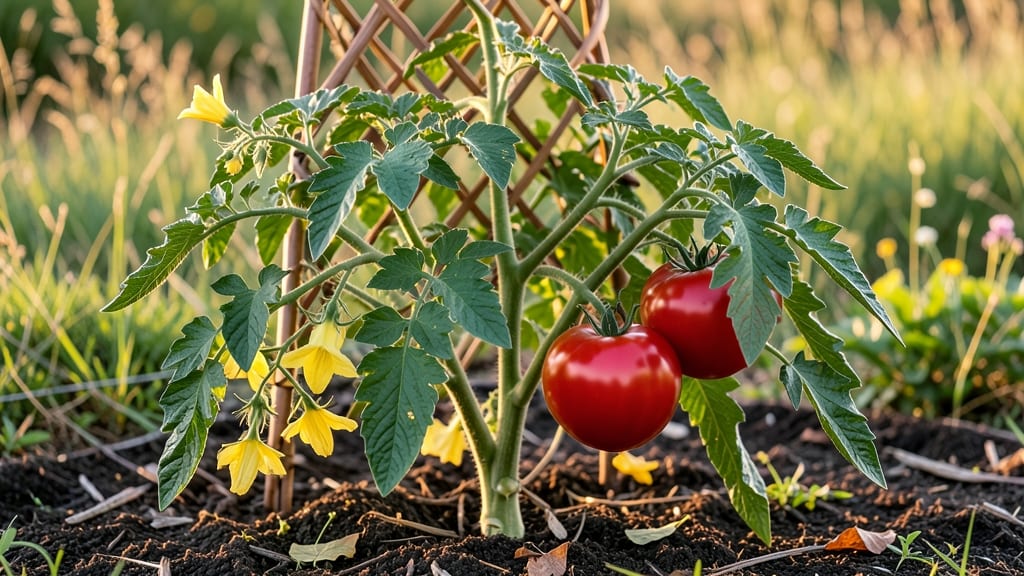
The Oxheart tomato plant isn’t just big—it’s juicy, beefsteak-style giants that turn every slice into a meal. 🌱 I grew mine in containers last summer, and those 12-ounce fruits made my neighbors ask, "What kind of magic are you doing?"
The secret isn’t just the variety—it’s how you handle the vine’s aggressive growth and the fruit’s thirst for sunlight.
Start with a 5-gallon container (minimum) and sturdy stakes—these vines sprawl like they’re auditioning for a jungle gym. Amend your soil with compost (Oxhearts hate soggy roots), and plant deep: bury the stem up to the first leaves.
They’ll need 6-8 hours of sun daily, but watch for sunscald on those massive fruits—shade cloth on hot afternoons saves them from cracking.
By midsummer, you’ll be harvesting 3-4 pounds of tomatoes per plant, each slice dripping with flavor. The key is consistent watering (deep, not daily) and pruning suckers early—let the main stem focus on fruit, not foliage.
Even my black thumb got 10 pounds from two plants last year, and the taste? Worth every extra inch of container space.
Container-grown Oxhearts need balanced fertilizer (10-10-10) every 3 weeks, but cut back after flowering. Watch for hornworms—they adore these plants—and handpick them before they skeletonize your leaves. The payoff? Tomatoes so big they need a cutting board, and a harvest that lasts from July through frost.
📚 In This Guide
- What you need
- Instructions
- Tips and common mistakes
- Wrapping up and next steps
What you need
- ● Oxheart tomato seeds or seedlings: Choose heirloom varieties like 'Oxheart' or 'Brandywine' (2–3 plants per container for best yields).
- ● Large containers: At least 5-gallon pots (18" deep x 12" wide) with drainage holes. 5-gallon fabric grow bags or wooden barrels work too!
- ● High-quality potting mix: A sterile, well-draining blend (e.g., 60% potting soil + 30% compost + 10% perlite or coco coir). Avoid garden soil—it compacts!
- ● Tomato cages or stakes: 6–8 ft tall (oxhearts grow big!). Opt for heavy-duty cages or bamboo stakes with twine.
- ● Balanced fertilizer: 5-10-10 or 10-10-10 (organic options like fish emulsion or worm castings work too).
- ● Mulch: Straw or shredded leaves (2–3 inches) to retain moisture and suppress weeds.
- ● Watering can or hose with a gentle spray nozzle: Oxhearts need 1–2 inches of water weekly (more in heatwaves!).
- ● Slow-release fertilizer tablets (e.g., Osmocote) for hassle-free nutrition.
- ● Mycorrhizal fungi (boosts root health—mix into soil at planting!).
- ● Pruning shears (for shaping vines and removing suckers).
- ● Plant supports: Trellis or tomato towers to maximize vertical growth.
- ● Shade cloth (30–50%) for hot climates (prevents sunscald on fruit).
- ● pH test kit (ideal soil pH: 6.0–6.8 for tomatoes).
Step-by-step guide to growing oxheart tomatoes in containers
Here's how to coax those massive, flavor-packed fruits from compact spaces—no yard required.
🌱 Step 1: Select the Right Container and Soil Mix
Oxheart tomatoes need 5-gallon containers minimum—their vines get heavy with fruit. I use fabric grow bags because they prevent root circling while still providing excellent drainage. Fill with a sterile potting mix blended with 20% compost and 10% perlite for aeration. The mix should feel light but retain moisture when squeezed—like a damp sponge.
Add a slow-release tomato fertilizer (10-10-10) at planting time, mixing it into the bottom 2 inches of soil. This ensures nutrients are available as roots grow downward. Place a 3-inch layer of gravel at the container's bottom for drainage—oxhearts hate soggy roots, and their weight can compact soil over time.
☀️ Step 2: Plant and Stake for Vertical Growth
Dig a hole twice as wide as the root ball but no deeper—oxheart transplants should sit at the same depth they grew in their nursery pot. Gently remove the plant, tease the roots outward, and place it in the hole. The reason? Compacted roots struggle to access moisture and nutrients in containers.
Install a 5-foot bamboo stake or heavy-duty tomato cage immediately after planting. Oxheart vines can reach 6-8 feet—without support, they'll flop and break under fruit weight. Secure the main stem to the stake with soft plant ties, leaving 6 inches of growth above the first tie. This prevents stem damage as the vine thickens.
💧 Step 3: Water Deeply and Maintain Consistent Moisture
Water deeply until 1 inch of soil drains out the bottom—oxhearts need 1-2 gallons per watering in containers. I check moisture by sticking my finger 2 inches down; if it feels dry, it's time to water. The key is consistency—fluctuating moisture causes blossom-end rot, a common oxheart problem.
Water at soil level, avoiding leaves to prevent fungal diseases like early blight. Mulch with 2 inches of straw to retain moisture and suppress weeds. Here's the thing—oxhearts in containers dry out faster than in-ground plants, so I set a reminder for every other day during heatwaves. Yellowing leaves? That's your signal to water immediately.
✂️ Step 4: Prune and Train for Maximum Yield
Remove suckers (the small shoots forming in the leaf axils) weekly—oxhearts produce better fruit when energy goes to fewer, larger tomatoes. Pinch suckers off with your fingers or snip with clean pruners. I prune early in the morning when the plant is turgid, reducing stress. Leave 2-3 main stems for balanced growth.
When flowers appear, hand-pollinate by gently shaking the plant or using a small brush to transfer pollen. Oxhearts have large, showy blooms but sometimes need help in containers. Prune lower leaves as the plant grows, removing anything touching the soil to improve airflow and prevent disease.
🍅 Step 5: Harvest and Extend the Season
Oxhearts ripen 60-70 days after transplanting, but I start checking for color 50 days in—they turn a deep red when ready. Harvest by twisting gently to avoid damaging the stem. The fruit's weight often makes it easy to pluck. Cut stems 1 inch above the fruit to prevent rot from lingering moisture.
To extend the harvest, prune back after the first flush of fruit appears. This encourages a second wave of blooms. In cooler climates, bring containers indoors before 40°F nights—oxhearts tolerate light frost but prefer warmth. With proper care, you'll get multiple harvests from one plant, making containers worth the effort.
Tips & tricks for growing juicy oxheart tomatoes in containers
Transforming your balcony into a tomato powerhouse starts with these game-changing insights that'll keep your oxheart plants thriving—and your harvests bountiful.
Container Size Matters: That 5-gallon minimum isn't arbitrary—oxheart vines can reach 6-8 feet and produce fruit weighing up to 2 pounds each. I've seen containers tip over under the weight! For extra stability, place your containers on a sturdy stand or use a heavy-duty grow bag with built-in handles. The wider the base, the better the balance, especially as those tomatoes swell.
Root Zone Strategy: The 3-inch gravel layer at the bottom isn't just for drainage—it creates an air pocket that prevents root suffocation. Pack the gravel loosely and avoid compacting it when you add soil. Think of it as creating a second root zone where oxygen can circulate freely. Pro tip: Use pea gravel or small river rocks rather than construction gravel, which can have sharp edges that damage delicate roots.
Pruning for Perfection: When you're removing those weekly suckers in Step 4, don't just yank them—pinch them off just above the leaf axil. This prevents disease entry points and encourages cleaner growth. I also recommend using clean pruning shears (not scissors) for larger suckers to avoid crushing stems. The goal is to maintain 2-3 main stems, but remember: oxhearts are more forgiving than other varieties about stem count—focus more on consistent pruning than exact numbers.
Season Extension Hack: That 40°F nighttime threshold is your guide for bringing containers indoors. But here's what nobody tells you—oxhearts actually thrive in a cool greenhouse or even a bright basement window during winter. Just move them to a south-facing window where they'll get at least 6 hours of sunlight daily. You'll get a second harvest in late winter that's even sweeter from the cool nights!
Pro Tips for Oxheart Tomato Plant
- Transforming your balcony into a tomato powerhouse starts with these game-changing insights that'll keep your oxheart plants thriving—and your harvests bountiful.
- Container Size Matters: That 5-gallon minimum isn't arbitrary—oxheart vines can reach 6-8 feet and produce fruit weighing up to 2 pounds each.
- Root Zone Strategy: The 3-inch gravel layer at the bottom isn't just for drainage—it creates an air pocket that prevents root suffocation.
Frequently asked questions
Got questions about growing oxheart tomato plants?
You’re not alone! Here are answers to the most common queries from gardeners—whether you're a container novice or a seasoned grower.
How long does it take for an oxheart tomato plant to produce fruit?
Oxheart tomatoes typically take 60–85 days from transplanting to harvest, depending on your climate and growing conditions. If you start seeds indoors 6–8 weeks before the last frost, you’ll likely see fruit by mid-to-late summer. Patience pays off—these beauties are worth the wait!
Can oxheart tomatoes grow in containers, and what size pot do I need?
Oxheart tomatoes thrive in containers, but they need space to stretch. Aim for a pot at least 12–18 inches deep and wide, with sturdy stakes or a trellis. Since they’re indeterminate, they’ll keep growing—so prune regularly and rotate the pot for even sunlight exposure.
Why are my oxheart tomato leaves turning yellow?
Yellowing leaves (a condition called chlorosis) often signal overwatering, nutrient deficiency (like nitrogen or magnesium), or poor drainage. Check your pot’s drainage holes, adjust watering (let the top inch dry out), and fertilize with a balanced tomato feed. If the issue persists, test your soil pH—oxhearts prefer 6.0–6.8.
Do oxheart tomatoes need full sun, or can they tolerate partial shade?
Oxheart tomatoes crave sunlight—they need 6–8 hours of direct sun daily for optimal fruit production. While they can tolerate 4–6 hours in partial shade, expect smaller yields and fewer juicy tomatoes. If your space is shady, choose a south-facing spot or supplement with a grow light.
What’s the best way to use oxheart tomatoes in cooking?
These heirloom giants (often weighing 1–2 lbs each!) are perfect for slicing, grilling, or stuffing. Try them in caprese salads, fresh salsa, or roasted alongside pork. Their sweet, meaty texture holds up well to heat—ideal for sauces or even tomato soup! For extra flavor, let them ripen fully on the vine before harvesting.
Wrapping up and next steps
Growing oxheart tomato plants in containers is a rewarding journey that brings bold flavors and vibrant greenery to your space—even if you’re working with limited room! With the right setup, patience, and a little love, you’ll soon be savoring homegrown tomatoes that outshine store-bought varieties.
Whether you’re a seasoned gardener or a curious beginner, every vine you nurture is a step toward a tastier, fresher harvest.
Ready to dive in? Start small: pick a sunny spot, grab your supplies, and let those oxheart beauties climb! 🌱 And remember—every expert was once a novice. Happy planting! 🍅✨