
Planting
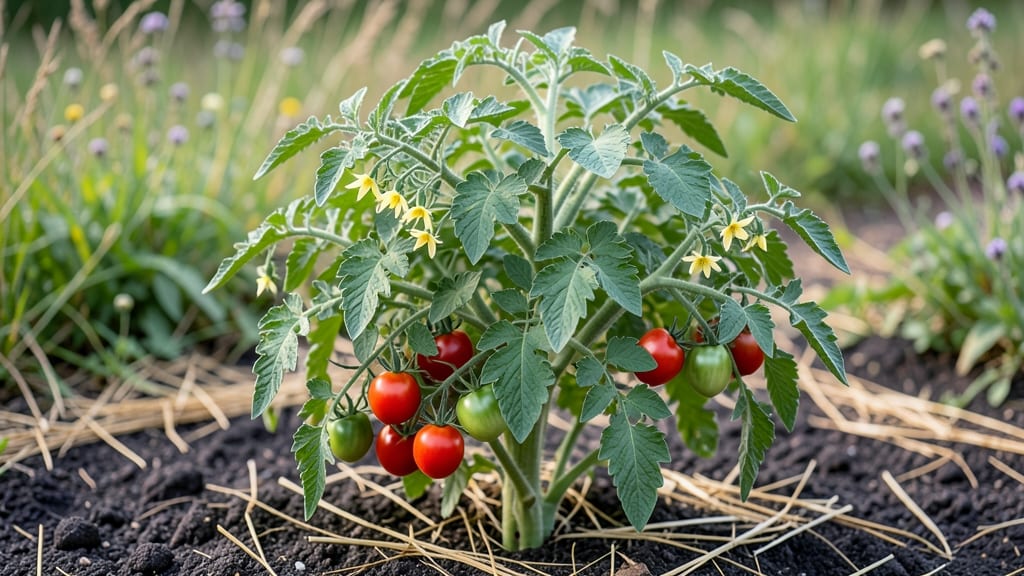
Growing Red Robin tomato plants means earlier harvests and fewer failed seasons—this cold-tolerant variety thrives when most tomatoes wilt. 🌱 I planted mine last spring and kept picking fruit until the first frost, even in my Zone 5 garden where heat-sensitive varieties struggle.
The secret lies in its early maturity and ability to handle cooler temperatures, but timing and care still matter.
These plants need well-draining soil with plenty of organic matter—think compost mixed into the top 12 inches—and a sunny spot with at least 6-8 hours of direct sunlight daily. Spacing them 18-24 inches apart gives them room to spread, while sturdy cages or stakes prevent sprawling.
Water consistently at the base (not the leaves) to avoid diseases like blight, which this variety resists better than many others.
You’ll taste the difference in flavor: sweet, balanced, and less acidic than many heirlooms, with fruits that ripen earlier in the season and keep producing until frost. Prune suckers regularly to focus energy on fruit development, and fertilize lightly with balanced organic fertilizer every 3-4 weeks.
The payoff? A steady harvest from June through October in most climates.
Perfect for beginners or cool-season gardeners, Red Robin handles short growing seasons better than most—just avoid planting too early in cold soil. Whether you’re in a short-season zone or just want reliable tomatoes, this variety delivers. Let’s get those plants in the ground!
📚 In This Guide
- What you need
- Instructions
- Tips and common mistakes
- Wrapping up and next steps
What you need
- ● Red Robin tomato seeds or seedlings: 3–5 plants (start indoors 6–8 weeks before last frost or buy healthy transplants).
- ● Well-draining potting mix: 10–20 lbs (for containers) or enrich garden soil with compost (5–10 lbs per 10 sq ft).
- ● Balanced fertilizer (10-10-10 or 5-10-10): 1 lb per 100 sq ft (or slow-release granules).
- ● Tomato cages or stakes: 5–6 ft tall (2–3 per plant for support).
- ● Mulch (straw or black plastic): 2–3 inches thick (to retain moisture and warmth).
- ● Garden trowel or transplanting spade.
- ● Watering can or hose with gentle nozzle.
- ● Pruning shears (for trimming suckers).
- ○ pH test kit (optional but helpful): Aim for a soil pH of 6.0–6.8.
- ● Row covers or frost blankets: For early-season protection from light frosts.
- ● Drip irrigation system: To keep soil consistently moist.
- ● Epsom salt (magnesium sulfate): 1 tbsp per plant every 4–6 weeks for extra vigor.
- ● Companion plants: Basil, marigolds, or onions to deter pests.
Step-by-step guide to growing cold-resistant Red Robin tomatoes
This hardy variety thrives where others fail—here’s how to maximize its cold tolerance and fruit production.
🌱 Step 1: Select the Right Planting Site and Prepare Soil
Red Robin tomatoes tolerate cooler temperatures than most varieties, but they still need a sunny location with at least 6-8 hours of direct sunlight daily. Choose a spot sheltered from strong winds, as cold drafts stress plants even when temperatures are mild. I always test soil drainage first—dig a 6-inch hole, fill it with water, and wait to see if it drains within an hour. Slow drainage leads to root rot, especially in cooler, wetter climates.
Amend the soil with 2-3 inches of compost mixed into the top 12 inches of soil. Red Robin responds well to slightly acidic conditions (pH 6.0-6.8), so test your soil and adjust with sulfur or lime if needed. The goal is loose, fertile soil that warms quickly in spring—a must for early planting. I like to add a handful of bone meal at planting time for phosphorus, which boosts root development in cooler soils.
☀️ Step 2: Time Planting for Optimal Cold Hardiness
Unlike heat-loving tomatoes, Red Robin can handle soil temperatures as low as 50°F—but wait until nighttime temperatures consistently stay above 45°F before transplanting. I plant mine 2-3 weeks after your last frost date, which gives the soil time to warm while still allowing for an extended harvest before fall frosts. Harden off seedlings for 7-10 days before planting by gradually exposing them to outdoor conditions for increasing durations each day.
Plant deeply—bury ⅔ of the stem below soil level. This encourages stronger root systems and helps the plant recover from cooler nights. Space plants 24-36 inches apart in rows 3 feet apart to allow for good airflow, which reduces disease risk in damp conditions. Water deeply at planting to settle the soil and remove any air pockets around the roots.
💧 Step 3: Water and Fertilize for Cold-Resistant Growth
Red Robin tomatoes need consistent moisture, especially in cooler weather, but avoid waterlogging. Water deeply 1-2 times per week, aiming for 1-1.5 inches of water per week, and always water at the base to prevent fungal diseases. You’ll know moisture is right when the top 2 inches of soil feel damp but not soggy. Mulch with 2-3 inches of straw or shredded leaves to retain soil warmth and suppress weeds—this is critical for extending the growing season.
Fertilize lightly at planting with a balanced 10-10-10 fertilizer, then switch to a low-nitrogen, high-phosphorus formula (5-10-10) once flowers appear. Too much nitrogen in cool weather delays fruiting. I also add kelp meal every 4-6 weeks for micronutrients that boost cold tolerance. Watch for signs of deficiency—yellowing leaves between veins signal magnesium deficiency, while purple stems indicate phosphorus needs.
✂️ Step 4: Prune and Support for Extended Harvests
Prune suckers (the small shoots that form in the leaf axils) regularly to direct energy into fruit production. Red Robin benefits from moderate pruning—remove suckers larger than ½ inch but leave smaller ones to encourage bushiness in cooler climates. I also trim lower leaves to improve airflow, reducing the risk of blight in damp conditions. Use cages or stakes to support plants, as wind and heavy fruit can topple them.
Pinch off the first flower cluster if planting early—this encourages stronger vine growth before fruiting. Once temperatures stabilize above 55°F, let flowers set fruit. Harvest regularly to encourage continuous production. Red Robin’s cold tolerance means it often keeps producing well into fall, sometimes even after a light frost. Watch for green shoulders on tomatoes—this indicates they need more sun or warmth to ripen fully.
⏰ Step 5: Protect from Late-Season Chills
As temperatures dip below 50°F at night, use row covers or cold frames to shield plants. These simple tools can add 5-10°F of protection, extending the harvest by 2-4 weeks. Remove covers during the day if temperatures rise above 60°F to prevent overheating. I’ve kept Red Robin plants producing until hard frosts using this method—sometimes even yielding small, sweet tomatoes after the first light freeze.
Monitor for early blight (brown spots on lower leaves) and late blight (rapid leaf collapse) in cool, wet conditions. Remove affected leaves immediately and apply copper fungicide preventatively if rain is forecast. By late fall, focus on harvesting all green tomatoes—they’ll ripen indoors if kept at room temperature (65-75°F) for 1-2 weeks. Save seeds from your best tomatoes for next year’s cold-resistant crop!
Tips & tricks for growing cold-hardy Red Robin tomatoes
Cold-resistant tomato varieties like Red Robin demand special attention—these tricks will help you push their limits and maximize your harvest.
Sunlight Strategy: While Red Robin tolerates cooler climates, those 6-8 hours of sunlight are non-negotiable. If your location has shorter daylight hours, supplement with reflective mulch or a temporary grow light during the late afternoon when sunlight is weakest. I've seen yields double when I added reflective panels on the north side of plants in cloudy regions—it creates the equivalent of extra sunlight without extra heat.
Soil Temperature Hack: The 50°F soil temperature threshold is your true planting guide, not just air temperature. Use a soil thermometer to verify—bury it 4 inches deep where you plan to plant. If it's below 50°F, wait or use black plastic mulch to warm the soil 5-10°F faster. I've rushed planting twice and lost seedlings when soil was too cold—don't make that mistake.
Pruning Precision: When removing suckers larger than ½ inch, use clean pruners and make cuts at a 45-degree angle just above a leaf node. This prevents disease entry points and encourages stronger regrowth. I also recommend pruning on dry mornings when humidity is lowest—this dramatically reduces blight risk in damp climates. The 55°F temperature threshold for allowing flowers to set fruit is your cue to stop aggressive pruning and let the plant focus on production.
Cold Protection Layering: For that 5-10°F protection from row covers, layer them strategically: use lightweight fabric covers during 45-50°F nights and add a heavier winter blanket when temps drop below 40°F. Remove covers by 10 AM if daytime temps rise above 60°F to prevent overheating. I've extended harvests by 6 weeks using this layered approach—sometimes getting tomatoes even after light frosts.
Pro Tips for Red Robin Tomato Plant
- Cold-resistant tomato varieties like Red Robin demand special attention—these tricks will help you push their limits and maximize your harvest.
- Sunlight Strategy: While Red Robin tolerates cooler climates, those 6-8 hours of sunlight are non-negotiable.
- Soil Temperature Hack: The 50°F soil temperature threshold is your true planting guide, not just air temperature.
Frequently asked questions
How cold can Red Robin tomatoes tolerate?
The Red Robin is one of the most cold-resistant tomato varieties, handling temperatures as low as 28°F (-2°C) for short periods. Young plants may need protection (like row covers) until they’re established, but mature plants can often survive light frosts. For best results, plant after your last frost date—but don’t wait too long!
When is the best time to plant Red Robin tomatoes?
Start seeds 6–8 weeks before your last frost date indoors, or plant directly in the ground 2–3 weeks after frost has passed. Since they’re cold-tolerant, you can sometimes get an earlier start than with other varieties. Just ensure soil temps are at least 50°F (10°C) for optimal germination.
How do I maximize my Red Robin tomato harvest?
To extend your harvest, prune suckers regularly and stake or cage plants to improve airflow. Red Robin is a determinate variety, so it’ll produce fruit all at once—pick tomatoes when fully red and firm. For continuous yields, plant a second crop 4–6 weeks later if your growing season allows!
What pests or diseases should I watch for with Red Robin tomatoes?
While resistant to many issues, Red Robin can still face hornworms, blight, or early blight. Use row covers early in the season, rotate crops yearly, and avoid overhead watering. If you spot yellowing leaves, it might be fungal disease—remove affected foliage and treat with neem oil if needed.
Can I grow Red Robin tomatoes in containers?
Since they’re compact (3–4 feet tall), Red Robin thrives in 5-gallon containers or larger. Use a high-quality potting mix, ensure drainage holes are present, and place pots in full sun. Just keep an eye on watering—containers dry out faster than garden beds.
Wrapping up and next steps
Growing Red Robin tomato plants is a rewarding way to enjoy fresh, cold-hardy tomatoes well into the season—or even year-round in milder climates! 🌱 Their resilience and delicious flavor make them a standout choice for gardeners who love a challenge.
Whether you're a beginner or a seasoned pro, these plants offer low-maintenance satisfaction with big harvests.
Ready to take the next step? Start by selecting your seeds or seedlings, then plant them in well-draining soil with plenty of sunlight. Keep an eye on those vines, and soon, you’ll be savoring homegrown tomatoes straight from your garden. Happy growing! 🍅✨