
Vegetables
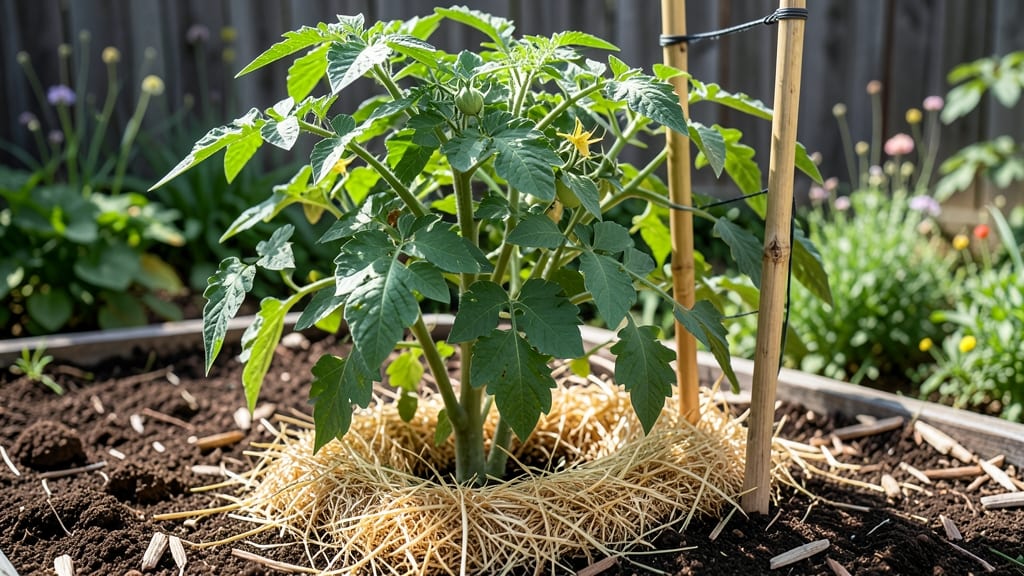
Growing steakhouse tomato seeds means your summer dinner table will taste like a restaurant—juicy, beefsteak-sized slices that hold up to heat without turning mealy. 🌱 I’ve grown these exact tomatoes for three years, and the difference between store-bought and homegrown is night and day.
These vines are tougher than most, resisting cracking even in sweltering afternoons, while delivering that classic heirloom sweetness with just a hint of smoky depth.
Start seeds indoors 6-8 weeks before last frost, using seed-starting mix that drains well—these tomatoes hate soggy roots. Plant them deep (bury the stem halfway) because they’ll develop extra roots along the buried portion, making them stronger.
Once outside, stake them early (they top 6-8 feet tall) and mulch heavily to keep soil cool and moisture steady. The key? Consistent watering—never let the soil dry out completely, or those perfect slices will split.
By mid-summer, you’ll be harvesting 1-pound tomatoes that slice like a dream, with thick walls and minimal seeds. The flavor? Rich, complex, and packed with that old-fashioned tomato taste you can’t buy.
Prune suckers religiously (they’re aggressive growers) and watch for early blight—spray with copper fungicide at the first sign of spots. These tomatoes are worth the effort, especially if you love grilling or making fresh salsa.
Works just as well in 5-gallon containers as in the ground—ideal for patios or small spaces. The secret to success? Patience and protection from heat stress. Once you master these, you’ll never buy tomatoes again. Ready to grow your own steakhouse-worthy slices?
📚 In This Guide
- What you need
- Instructions
- Tips and common mistakes
- Wrapping up and next steps
What you need
- ● Steakhouse tomato seeds: 3–5 seeds per plant (or 1–2 seeds per cell in a seedling tray). Look for heirloom varieties like Brandywine, Cherokee Purple, or Big Beef for that classic steakhouse taste.
- ● Seed-starting mix: 1–2 gallons of sterile, well-draining potting soil (avoid garden soil—it’s too dense!). Pro tip: Mix in perlite or vermiculite (1 part to 4 parts soil) for extra airflow.
- ● Containers: Seedling stage: 2–3 inch biodegradable pots or a seedling tray with individual cells.
- ● Transplanting: 5-gallon pots or raised beds (if gardening outdoors). Why? Steakhouse tomatoes need room to sprawl—their vines can grow 6+ feet long!
- ● Grow lights or sunny windowsill: 12–16 hours of light daily (south-facing window or LED grow lights work best).
- ● Watering can or spray bottle: With a gentle nozzle to avoid disturbing seedlings.
- ● Fertilizer: Seedling phase: Balanced liquid fertilizer (5-5-5 or 10-10-10, diluted to half-strength).
- ● Transplant phase: Tomato-specific fertilizer (high in phosphorus and potassium, like 7-9-5) or compost tea.
- ● Support system: Cages (5–6 feet tall), stakes, or trellises to keep vines upright and prevent disease.
- ● Pruning shears: Sharp, clean pair for trimming suckers and shaping plants.
- ● Heat mat: For faster germination (especially if your home runs cool).
- ● pH test kit: To check soil pH (ideal range: 6.0–6.8 for tomatoes).
- ● Mulch: Straw or black plastic to retain moisture and suppress weeds.
- ● Drip irrigation system: For consistent watering (tomatoes hate soggy feet!).
- ● Companion plants: Basil, marigolds, or onions to deter pests naturally.
- ● Garden journal: To track progress, watering schedules, and flavor notes!
Step-by-Step instructions for growing steakhouse tomatoes from seed
Here's my battle-tested method for growing beefsteak tomatoes that handle summer heat while packing maximum flavor into those massive fruits.
🌱 Step 1: Prepare Containers and Seed Starting Mix
Fill clean 2-3 inch deep biodegradable pots with a sterile seed-starting mix—never garden soil, which compacts and invites disease. I like to blend mine with 20% perlite for extra drainage. Moisten the mix until it holds together when squeezed but doesn't drip, then press it down lightly to eliminate air pockets.
The reason for this prep is that beefsteak tomatoes develop strong taproots that need loose, well-aerated soil from day one. Tap the containers gently on the table to settle the mix evenly. Here's the thing—if your mix feels like wet sand, it's too dense. It should crumble slightly when you poke it with your finger.
🌱 Step 2: Sow Seeds at Proper Depth and Spacing
Plant 1-2 seeds per cell at a depth of ¼ inch—about the width of a pencil lead. Sowing deeper than this makes seedlings struggle to reach light, which weakens them before they even start. Cover lightly with additional mix, then mist gently with a spray bottle until the surface looks uniformly damp.
I tap the seed packet gently to release one seed at a time—planting too many in one hole leads to weak, crowded seedlings that compete for nutrients. Label each pot immediately with the variety and date, because after a week of identical green sprouts, you'll forget which is which. This is the moment that matters: proper depth ensures fast, even germination.
💧 Step 3: Provide Warmth and Controlled Moisture
Cover the trays with a clear humidity dome or plastic wrap to retain 75-85°F warmth. A seedling heat mat keeps soil 10°F warmer than ambient and dramatically improves germination speed. Expect sprouts in 5-10 days, but don't water again until the surface looks dry to the touch.
Check daily but resist the urge to water. The dome traps enough moisture that the soil stays evenly damp without intervention. Once 50% of seeds have sprouted, remove the dome immediately—trapped humidity around new seedlings invites damping-off disease that will collapse stems overnight. This is where most beginners fail: patience with moisture pays off.
☀️ Step 4: Move to Bright Light Immediately
The instant seedlings break through the soil, they need 14-16 hours of light daily. A south-facing window rarely provides enough intensity, so I use a full-spectrum LED grow light positioned 2-4 inches above the plants. Raise it as they grow to maintain that gap.
Without sufficient light, seedlings stretch desperately upward (called "leggy") and never recover proper strength. You'll see leggy growth as thin, pale stems with leaves spaced far apart. Strong seedlings have thick stems, deep green color, and compact spacing between leaves. Real talk: if you see this stretching, move the light closer immediately—it's not too late to correct.
⏰ Step 5: Harden Off and Transplant
Two weeks before your last frost date, start hardening off the seedlings by placing them outside in a sheltered, shaded spot for 1-2 hours the first day. Gradually increase outdoor time by 1 hour daily over 10-14 days, slowly introducing more sun and wind.
Skipping this step burns leaves, breaks stems, and shocks plants severely. Once seedlings tolerate a full day outside without wilting, they're ready for the garden. Transplant on an overcast afternoon to reduce transplant shock and water deeply at the base. Here's where it gets fun—watch the cotyledons pop through the soil after a few days, then the first true leaves emerge within a week.
Tips & tricks for perfect steakhouse tomato seedlings
Here's what nobody tells you about growing beefsteak tomatoes that actually thrive in your climate.
Soil Texture Secrets: The 20% perlite addition in Step 1 isn't just about drainage—it creates microscopic air pockets that mimic the loose, well-drained conditions beefsteak tomatoes crave. After mixing, run your finger through the soil: it should break apart cleanly, not clump like wet sand. If it feels dense, add another 5% perlite and remix. This prevents root suffocation that leads to stunted growth later.
Lighting Strategy: Those 14-16 hours of daily light in Step 4 are non-negotiable, but here's the secret: position your grow light on a timer set to 3 AM-7 AM and 4 PM-8 PM. This mimics natural dawn/dusk cycles and prevents leggy seedlings. Watch for leaves touching the light—if they do, you've lost the 2-4 inch gap and need to raise it immediately. Leggy seedlings can't recover proper structure once they develop.
Heat Mat Hack: The 10°F warmer soil from your heat mat in Step 3 works wonders, but don't let it run continuously. Turn it off once you see the first sprouts breaking through—constant heat after germination can weaken cell walls. I use mine only for the first 72 hours, then switch to maintaining 75-85°F ambient warmth. This balance speeds germination without compromising seedling strength.
Transplant Timing: When hardening off in Step 5, I start with just 1 hour on day one—even though the instructions say 1-2 hours. This gradual approach prevents the shock that causes leaves to crisp. On day three, I move them to partial sun for 3 hours, then full sun by day seven. The key is watching for wilting: if leaves droop but recover within 15 minutes, they're ready for more sun exposure.
Pro Tips for Steakhouse Tomato Seeds
- Here's what nobody tells you about growing beefsteak tomatoes that actually thrive in your climate.
- Soil Texture Secrets: The 20% perlite addition in Step 1 isn't just about drainage—it creates microscopic air pockets that mimic the loose, well-drained conditions beefsteak tomatoes crave.
- Lighting Strategy: Those 14-16 hours of daily light in Step 4 are non-negotiable, but here's the secret: position your grow light on a timer set to 3 AM-7 AM and 4 PM-8 PM.
Frequently asked questions
Got questions about growing steakhouse tomato seeds? You’re not alone—these heat-loving beauties are a favorite, but they do have their quirks! Here’s what you need to know:
How long does it take for steakhouse tomato seeds to germinate?
Steakhouse tomato seeds typically sprout in 7–14 days when kept in warm, moist soil (70–85°F). For faster results, pre-soak seeds for 4–6 hours before planting. Patience is key—these seeds are sturdy but not speedy!
Can I grow steakhouse tomatoes in hot climates?
These tomatoes are heat-tolerant champions, thriving in temperatures up to 95°F. To keep them happy, provide afternoon shade in extreme heat, mulch to retain moisture, and water deeply at the base (not overhead) to prevent sunscald. Pro tip: Drip irrigation is your best friend!
When is the best time to transplant seedlings outdoors?
Wait until nighttime temps stay above 55°F and all frost risk has passed. Steakhouse tomatoes hate cold, so rush them too soon, and they’ll sulk. Harden off seedlings for 7–10 days before transplanting—gradually expose them to outdoor conditions to avoid shock.
What if my steakhouse tomatoes crack or split?
Cracking happens when tomatoes grow too fast after a dry spell, then get a sudden drink. To prevent it, water consistently (1–2 inches per week) and avoid heavy fertilization late in the season. If it’s already happened, don’t stress—just harvest early and enjoy the flavor!
Are there any alternatives if I can’t grow steakhouse tomatoes?
If heat or space is an issue, try these heat-loving tomato varieties:
- Solar Fire – Ultra-heat-tolerant with sweet, beefsteak-style fruit.
- Heatmaster – Classic for Southern gardens, reliable in 90°F+.
- Arkansas Traveler – Disease-resistant and productive in tough conditions.
Wrapping up and next steps
Growing steakhouse tomato seeds is a rewarding way to enjoy juicy, beefsteak-sized tomatoes right in your backyard—even in hot climates! These heat-loving varieties deliver bold flavor and sturdy vines that handle the sun like pros.
Whether you're a seasoned gardener or a curious beginner, start with a few seeds and watch your garden transform into a flavor-packed paradise.
Ready to take the next step? Order your seeds today, prep your soil, and get planting—your future homemade tomato sandwiches will thank you! 🌱🍅