
Size
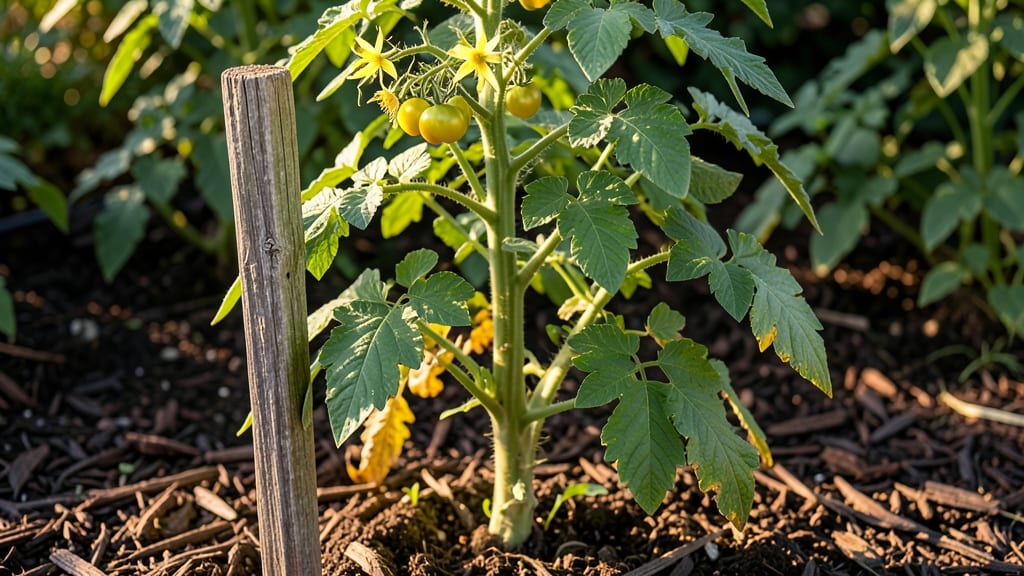
Growing tall tomato plants isn't just possible—it's the secret to maximizing your harvest in small spaces. 🌱 I learned the hard way that weak supports and improper pruning turn towering plants into tangled messes, but with the right trellis and care, these giants become your garden's superstars.
The key isn't brute strength—it's smart training that keeps stems sturdy while directing energy upward.
Start with indeterminate varieties like 'Sungold,' 'Cherokee Purple,' or 'Brandywine,' bred to climb relentlessly. Your trellis needs to be at least 8 feet tall (12 feet if you're ambitious) and wide enough to handle the weight—think metal cages or sturdy wooden frames with 4-inch spacing between supports.
The first 3 feet of growth are critical: here, you'll establish the main stem and primary suckers, while keeping pruning minimal until the plant hits 5 feet.
By mid-summer, you'll watch those vines race toward the sky, producing fruit along the way. The real magic happens when you prune aggressively after the first flower cluster—this forces energy into upward growth and prevents disease.
Water deeply twice weekly (more in heatwaves) and fertilize with low-nitrogen, high-phosphorus feed every 4 weeks. The payoff? Pounds of tomatoes where others struggle with floppy, disease-prone plants.
This method works for balconies, greenhouses, or backyard corners—anywhere you can install a tall support. The only challenge is wind resistance, so secure your trellis well. Once mastered, you'll never look at a tomato plant the same way again.
📚 In This Guide
- What you need
- Instructions
- Tips and common mistakes
- Wrapping up and next steps
What you need
- ● Tomato Seeds or Seedlings: Indeterminate varieties (e.g., Sungold, Cherokee Purple, or Big Beef) – 4-6 plants (for optimal spacing).
- ● Trellis System: Heavy-duty wooden posts (4x4 inches, 8 feet tall) – 4-6 posts (depending on garden size).
- ● Galvanized wire (14-16 gauge) – 50+ feet (for vertical support).
- ● Trellis netting or twine – 1 roll (for tying vines).
- ● Soil & Fertilizer: Well-draining potting mix or garden soil (amended with compost).
- ● Balanced fertilizer (10-10-10 or 5-5-5) – 1 lb per plant (applied every 3-4 weeks).
- ● Calcium supplement (e.g., crushed eggshells or lime) – 1 cup per plant (prevents blossom-end rot).
- ● Pruning Tools: Bypass pruners (sharp and clean).
- ● Garden shears (for larger branches).
- ● Support & Accessories: Soft plant ties or Velcro strips – 10-15 pieces (to secure vines).
- ● Drip irrigation kit or soaker hoses (for consistent moisture).
- ● Mulch (straw or wood chips) – 2-3 inches thick (retains moisture and suppresses weeds).
- ● Shade cloth (30-50%) – For hot climates (protects leaves from sunburn).
- ● Growth regulators (e.g., seaweed extract) – Boosts vine strength.
- ● Plant cages or A-frame trellises – Alternative support for smaller spaces.
Step-by-step instructions for training tall tomato plants
Here's how to coax those towering vines into sturdy, productive giants without snapping stems.
🪴 Step 1: Install a Sturdy Trellis System
Start with a 12-foot tall trellis made from 2x4 lumber or heavy-duty metal stakes. I drive the main support posts 18 inches deep into the ground, spaced 6 feet apart in a square pattern. The crossbars should be 12 inches apart vertically to give the plant ample support as it grows.
For extra stability, I add guy wires anchored to ground stakes at 45-degree angles. This prevents the trellis from swaying in wind—something that will snap a 12-foot vine like a twig. Test the structure by leaning on it before planting; it should barely budge.
🌱 Step 2: Plant and Stake Early
Set your tomato seedlings 12-18 inches from the trellis so they can reach upward without strain. I bury the main stem 1-2 inches deep at planting time to encourage strong root development. Immediately tie the main stem to the lowest trellis crossbar with soft jute twine or plant tape.
Real talk: Don't wait until the plant is already leaning. The first tie should happen within 48 hours of transplanting. This prevents the stem from developing a permanent curve that will never straighten. Check ties weekly—they loosen as the stem thickens.
☀️ Step 3: Train Vines Weekly
Every 7-10 days, guide the main stem upward to the next crossbar, securing it with a loose tie. I always use the "figure-eight" method: wrap the twine around the stem and crossbar twice to prevent chafing. Never tie too tightly—you want to support, not strangle.
Watch for suckers (those little shoots in the leaf axils) and remove them immediately. Suckers drain energy that should go into vertical growth. You'll see them appear 2-3 weeks after transplanting, so start checking then. Keep only the strongest central leader.
✂️ Step 4: Prune for Airflow and Strength
When the main stem reaches 6 feet tall, begin pruning lower leaves to improve airflow and reduce disease risk. Remove leaves that touch the ground or hang below the lowest fruit cluster. I use sharp bypass pruners and make clean cuts just above a leaf node.
Leave 12-18 inches of bare stem below the first fruit cluster. This prevents soil-borne diseases from splashing up onto your tomatoes. You'll notice the remaining leaves become larger and healthier as the plant focuses its energy upward.
💧 Step 5: Water and Fertilize Strategically
Deep water once weekly at the base, aiming for 1-2 inches of water per week. Let the top 2 inches of soil dry between waterings—consistent moisture prevents blossom-end rot. I water in the early morning so leaves dry quickly, reducing fungal risks.
Feed with a balanced 10-10-10 fertilizer every 4 weeks starting when flowers appear. Tall varieties need extra potassium for strong stems. You'll see the difference in 3-4 weeks: thicker stems, darker green leaves, and more blossoms.
Tips & tricks for growing towering tomato vines
Common pitfalls—and how to sidestep every one when training your tomato plants to reach new heights.
Support System Stability: When building your 12-foot trellis, use four main support posts instead of three for maximum stability. The square pattern creates a rigid framework that won't flex in wind—critical for preventing stem breaks. I reinforce the corners with extra guy wires at 45-degree angles to create a diamond tension system. This simple upgrade transformed my trellises from wobbly to unshakable. Test it before planting by applying pressure at multiple points; it should resist movement entirely.
Planting Depth Technique: Burying the main stem 1-2 inches deep at planting isn't just about roots—it's about creating a stronger base. The buried portion will develop additional root nodes, forming a more robust anchor system. I make a small trench around the buried stem to encourage lateral root growth. This technique prevents the classic "leaning tower" problem where plants topple over when vines get heavy. You'll notice the stems develop a thicker diameter within just 3-4 weeks.
Tying Method Mastery: The figure-eight tie technique in Step 3 is non-negotiable for preventing stem damage. Use jute twine or plant tape (never wire or plastic strips) and wrap it twice around both the stem and crossbar. The key is to create a loose, adjustable tie that can grow with the plant. I check all ties weekly and adjust them as the stem thickens—overly tight ties can girdle the stem and restrict growth. Pro tip: Keep a small spool of twine attached to your trellis with a rubber band for quick adjustments.
Pruning Visual Cues: When pruning lower leaves at the 6-foot mark, look for leaves that create a "V" shape with the stem—these are prime candidates for removal. The goal is to maintain a 12-18 inch bare stem below the first fruit cluster while keeping enough foliage for photosynthesis. I use the "hand rule": if I can fit my hand between the stem and leaf without touching, it's time to prune. This creates the perfect airflow while preventing disease spread from soil splatter.
Pro Tips for Tall Tomato Plants
- Common pitfalls—and how to sidestep every one when training your tomato plants to reach new heights.
- Support System Stability: When building your 12-foot trellis, use four main support posts instead of three for maximum stability.
- Planting Depth Technique: Burying the main stem 1-2 inches deep at planting isn't just about roots—it's about creating a stronger base.
Frequently asked questions
Got questions about growing tall tomato plants? You’re not alone!
Here are answers to the most common concerns—from staking to pests—so you can grow those sky-high vines with confidence.
Why do my tall tomato plants need support?
Tall tomato varieties (like ‘Sungold’ or ‘Cherokee Purple’) grow heavy with fruit, and unsupported vines can snap under the weight. Trellises or cages prevent disease (by improving airflow) and make harvesting easier. Plus, vertical growth saves garden space—win-win!
When should I start training my tall tomato plants?
Begin early—as soon as plants hit 6–12 inches tall. Tie them to stakes or weave through trellises gently to avoid damaging stems. Wait too long, and the weight of new growth can make training painful (literally!). Pro tip: Use soft plant ties or old T-shirts to avoid stem bruising.
How do I protect tall tomatoes from wind or storms?
Wind can topple tall plants or tear vines. Secure stakes deeply (18+ inches) and angle them slightly for stability. For extra protection, wrap plants in burlap or use windbreaks. After storms, check for broken stems and prune damaged areas above a leaf to encourage regrowth.
What pests target tall tomato plants, and how do I stop them?
Common culprits include hornworms, aphids, and whiteflies. Handpick hornworms (they’re camouflaged—look for black stripes!). Spray aphids with soapy water or introduce ladybugs. For whiteflies, use yellow sticky traps. Prevention tip: Prune lower leaves to reduce hiding spots and improve airflow.
Can I grow tall tomatoes in containers?
Choose large containers (5+ gallons) with drainage and use a sturdy trellis or tomato cage. Dwarf or indeterminate varieties like ‘Tiny Tim’ or ‘Micro Tom’ work well. Just ensure the pot stays moist—containers dry out faster than garden beds.
Do tall tomatoes need special care in cold climates?
Yes! Cold-sensitive varieties may need row covers or black plastic mulch to warm the soil. In short seasons, opt for early-maturing tall types like ‘Mountain Merit.’ If frost threatens, cover plants with blankets or move potted tomatoes indoors temporarily.
Still stumped?
Drop your tall tomato troubles below—we’re happy to help you grow like a pro!
Wrapping up and next steps
Growing tall tomato plants to 12 feet is totally achievable with the right trellis, care, and a little patience! 🌱 By choosing sturdy materials, pruning wisely, and providing consistent support, you’ll enjoy a bountiful harvest without the risk of flopping vines.
Whether you’re a seasoned gardener or just starting out, these techniques will help you turn your garden into a vertical tomato paradise.
Ready to take the next step? Start small—try a single trellis this season and experiment with different tomato varieties. Before you know it, you’ll be the neighborhood expert on sky-high tomatoes! 🍅✨