
Planting
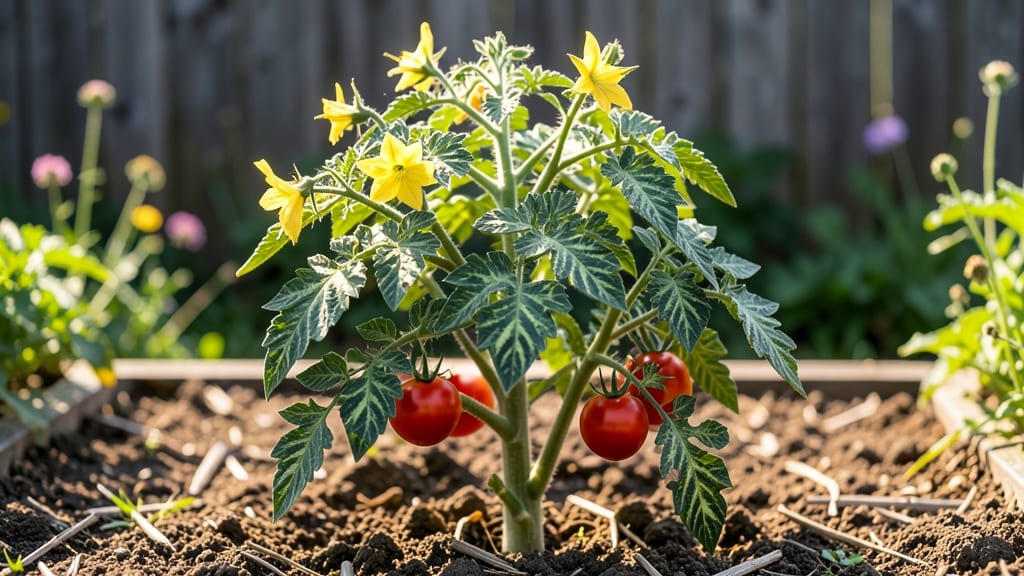
Growing Tigerella tomatoes in your small space means heat-resistant vines packed with sweet, striped fruit—no sprawling trellis required. 🌱 I first tried them in a 5-gallon container on my balcony, and they produced more tomatoes than my sprawling ground plants, even in 90°F heat.
The secret lies in their compact growth habit and thick stems that handle heat better than most varieties. These tomatoes need full sun (6+ hours daily) and well-draining soil mixed with compost. Start seeds indoors 6-8 weeks before last frost or buy sturdy transplants.
The key is consistent moisture—let the top inch dry between waterings—and a balanced fertilizer every 2 weeks. Unlike other tomatoes, Tigerellas rarely crack, even when watered regularly. By midsummer, you’ll be harvesting 1-2 inch striped tomatoes with a tangy-sweet flavor that’s perfect for slicing or salads.
The plants stay 3-4 feet tall (no pruning needed), making them ideal for patios, balconies, or small gardens. Just watch for early blight—space plants 18 inches apart for airflow. For extra productivity, harvest regularly and pinch off early flowers if your zone has late frosts.
These tomatoes prove you don’t need a big garden for big harvests—just the right variety and a little care. Let’s get those seeds started!
📚 In This Guide
- What you need
- Instructions
- Tips and common mistakes
- Wrapping up and next steps
What you need
- ● Tigerella tomato seeds or seedlings: 1-3 plants (choose disease-resistant varieties if possible).
- ● Containers or pots: 5-gallon fabric pots (1 per plant) or
- ● Large hanging baskets (12"+ diameter) with drainage holes.
- ● High-quality potting mix: 10-15 lbs (look for a blend labeled for tomatoes or vegetables, with added compost or worm castings).
- ● Slow-release fertilizer: 1 lb (13-13-13 or organic options like bone meal).
- ● Tomato cages or stakes: 1 per plant (5-6 ft tall, sturdy metal or bamboo).
- ● Drip irrigation system or watering can: (1-2 gallons capacity).
- ○ Mulch (optional but recommended): Straw or shredded leaves (5-10 lbs).
- ● Gloves: 1 pair (gardening or nitrile for hygiene).
- ● Trowel or small shovel: 1 (for transplanting or amending soil).
- ● Pruning shears: 1 (sterilized with rubbing alcohol).
- ● Sunlight access: 6+ hours of direct sunlight daily (south-facing window, balcony, or greenhouse).
- ● Heat tolerance: Tigerellas thrive in 80-95°F—ensure your space won’t exceed 100°F without shade.
- ● Grow lights: LED full-spectrum (for indoor setups with <6 hours of sunlight).
- ● Compost tea or liquid fertilizer: (for a mid-season nutrient boost).
- ● Reflective mulch (e.g., silver plastic): To deflect excess heat in scorching climates.
- ● Pest deterrents: Neem oil or row covers (for aphids or whiteflies).
Step-by-step guide to growing Tigerella tomato plants in small spaces
Here's how I grow these heat-loving tomatoes successfully—even in tight urban gardens.
🌱 Step 1: Select the Right Container and Prepare the Growing Medium
Tigerella tomatoes need 5-gallon containers minimum to support their vigorous vines. I use fabric grow bags because they prevent root circling and allow better airflow. Fill the container with a well-draining potting mix—never garden soil—blended with 20% perlite to prevent compaction. The mix should feel like a damp sponge when squeezed, not clingy or dry.
Add a slow-release fertilizer (5-10-5 ratio) at planting time—this gives the plant a steady nutrient supply without frequent feeding. I like to work in a handful of worm castings too, which improve root health. Press the soil down gently but don't compact it—roots need air to breathe, especially in containers.
☀️ Step 2: Plant at the Correct Depth and Provide Immediate Support
Dig a hole twice as wide as the root ball but no deeper. Place your Tigerella transplant in, ensuring the top of the root ball sits just below the container rim. This prevents stem rot from sitting water. Gently backfill with soil, pressing lightly to eliminate air pockets around the roots.
Here's the thing—these vines grow 6-8 feet tall even in containers, so install a sturdy trellis or cage immediately. I use heavy-duty tomato cages (5-6 feet tall) buried 6 inches deep around the plant. The moment you plant, thread the main stem through the cage to encourage upward growth. Without support, vines sprawl and break under their own weight.
💧 Step 3: Water Deeply and Establish a Consistent Routine
Water thoroughly until it drains from the bottom of the container—this encourages deep root growth. Let the top 2 inches of soil dry out between waterings. Tigerellas hate soggy roots, but they also won't tolerate drought stress. You'll know your watering is right when the soil feels like a wrung-out sponge—moist but not dripping.
Mulch with 1-2 inches of straw to retain moisture and regulate soil temperature. I water in the early morning to prevent fungal diseases from overnight humidity. Avoid wetting the leaves—water at the base instead. This prevents common tomato diseases like early blight that thrive in damp foliage.
✂️ Step 4: Prune and Train for Maximum Yield in Small Spaces
Pinch off suckers (the small shoots that form in the leaf axils) when they're less than 2 inches long. These compete with fruit production. I prune every 2 weeks during the growing season to keep the plant focused on vine growth and fruit development. Leave only the strongest, upward-facing suckers—these will become your future branches.
When the main stem reaches the top of your support, prune the terminal bud (the very tip) to encourage branching. This creates a bushier plant with more fruit-bearing zones. Remove any leaves that touch the ground or lower stems to improve airflow and reduce disease risk. You'll see more compact, productive growth within weeks.
🌿 Step 5: Monitor for Heat Stress and Adjust Care
Tigerellas handle 90°F+ temperatures better than most tomatoes, but they still need afternoon shade in extreme heat. I use shade cloth (30-50%) during peak afternoon sun when temps exceed 95°F. Watch for yellowing leaves—this is often a sign of heat stress, not necessarily water issues.
Fertilize every 4-6 weeks with a balanced liquid fertilizer (10-10-10) diluted to half strength. Over-fertilizing leads to leafy growth at the expense of fruit. Harvest regularly—ripe tomatoes trigger more production. You'll know they're ready when they turn deep red with yellow stripes and yield slightly to gentle pressure.
Tips & tricks for growing heat-resistant Tigerella tomatoes
These game-changing strategies will help you coax maximum productivity from your compact Tigerella plants—even when space and heat are challenges.
Container Selection: While 5-gallon containers work, I've found that 7-gallon fabric grow bags give Tigerellas that extra room to thrive without overcrowding. The breathable fabric prevents root suffocation while supporting their vigorous growth. If using standard pots, add 2-3 inches of extra depth—these vines send roots deep when they have space.
Heat Stress Prevention: Tigerellas handle 90°F+ beautifully, but when temps hit 95°F+, they'll signal distress with yellowing leaves. My trick? Install a foldable shade sail over the plants during peak afternoon sun—it's more flexible than fixed shade cloth and lets you adjust coverage. Even 30% shade makes a noticeable difference in fruit set during heatwaves.
Pruning Precision: When pinching suckers in Step 4, I use sterilized scissors and make cuts at a 45-degree angle just above a leaf node. This prevents disease entry points while encouraging stronger regrowth. For the terminal bud prune, wait until the main stem reaches 90% of your support height—this gives you more branching opportunities without sacrificing vertical growth.
Watering Hack: Install a self-watering reservoir at the bottom of your container—this creates a moisture buffer that prevents both drought stress and overwatering. I fill it to 25% capacity and let the plant wick up water as needed. The key is checking the reservoir every 3-4 days during hot weather to maintain consistent moisture without soggy soil.
Pro Tips for Tigerella Tomato Plant
- These game-changing strategies will help you coax maximum productivity from your compact Tigerella plants—even when space and heat are challenges.
- Container Selection: While 5-gallon containers work, I've found that 7-gallon fabric grow bags give Tigerellas that extra room to thrive without overcrowding.
- Heat Stress Prevention: Tigerellas handle 90°F+ beautifully, but when temps hit 95°F+, they'll signal distress with yellowing leaves.
Frequently asked questions
Got questions about growing the Tigerella tomato plant? You’re not alone! This compact, heat-loving variety is a game-changer for small gardens, but it’s natural to wonder about care, timing, and troubleshooting. Below, we’ve rounded up the most common questions—and answers—to help you grow a thriving (and delicious!) harvest.
Can Tigerella tomatoes handle extreme heat or drought?
The Tigerella is famous for its heat tolerance, thriving in temperatures up to 100°F (38°C)! However, it still needs consistent moisture—especially during fruiting. Water deeply 2–3 times per week (more in blazing heat) and mulch to retain soil moisture. Avoid overhead watering to prevent disease.
How long does it take for Tigerella tomatoes to produce fruit?
Expect your Tigerella plants to bear fruit in about 60–70 days from transplanting, depending on your climate. Early blooms may drop if nights are chilly (<50°F/10°C), but once established, they’ll reward you with cherry-sized, striped tomatoes all season long! Patience pays off—these vines keep producing until frost.
Do Tigerella tomatoes need pruning or staking?
Unlike indeterminate varieties, Tigerella is a determinate bush tomato, so it stays compact (2–3 feet tall) and rarely needs staking. Light pruning to remove suckers (shoots in leaf axils) can improve airflow and fruit size. Pinch off early blossoms if your plant looks stressed—it’ll redirect energy to stronger growth.
What can I do if my Tigerella tomatoes crack or turn yellow?
Cracking
often happens with uneven watering—keep soil consistently moist (not soggy). Yellowing leaves? Check for underwatering, nutrient deficiency (add compost or balanced fertilizer), or disease (like early blight). Remove affected leaves promptly and space plants for airflow to prevent spread.
Are there alternatives if I don’t have a sunny spot?
While Tigerella loves 6+ hours of sun daily, try these workarounds:
Wrapping up and next steps
Growing a Tigerella tomato plant is a fantastic way to enjoy fresh, flavorful tomatoes—even in small spaces or hot climates! 🌱 These heat-resistant vines are perfect for beginners and seasoned gardeners alike, offering both beauty and bounty.
Whether you’re planting in containers or tight garden beds, their compact size and resilience make them a standout choice.
Ready to get started? Take the next step: Grab your seeds, pick a sunny spot, and let your Tigerella tomatoes shine! 🌞 With a little care, you’ll soon be harvesting vibrant, delicious fruit to enjoy all season long.