
How To
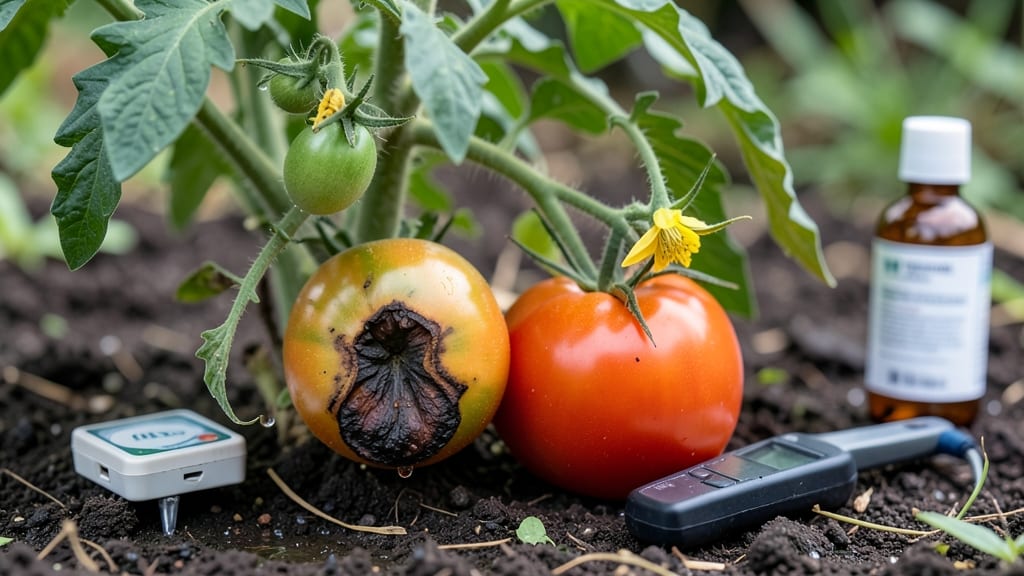
Your tomatoes are cracking at the bottom, and the sight of those ruined fruits is heartbreaking. 🌱 Bottom end rot—caused by calcium deficiency, uneven watering, or soil stress—can destroy an entire harvest if you don’t act fast.
The good news? With the right fixes, you can save future tomatoes and even revive some of these.
This problem starts when your plants can’t absorb enough calcium, often because of inconsistent watering or compacted soil. I’ve seen it turn perfect-looking tomatoes into mushy, discolored messes overnight. The key is balancing moisture, adding calcium-rich amendments, and improving drainage—simple steps that make a huge difference.
By adjusting your watering routine and giving your plants a calcium boost, you’ll prevent future rot and keep your tomatoes firm and flavorful. The first batch might still be lost, but the next one will be perfectly shaped and delicious. Let’s get those plants back on track!
Whether you’re dealing with a small backyard garden or a larger plot, these solutions work for everyone. The secret is consistency—watering, feeding, and checking your soil. You’ve got this!
Root Causes Of Fruit Decay
Tomato bottom end rot isn’t just a random bad-luck scenario—it’s a clear signal from your plants that something’s off in their care routine. Understanding the why behind this common issue is the first step to preventing it. Let’s break down the science-backed culprits that turn your ripe tomatoes into mush.
Water is the lifeblood of your tomatoes, but when it’s mismanaged, it becomes the enemy. Bottom end rot thrives in two extreme water-related scenarios:
- Overwatering or poor drainage: Tomatoes need consistent moisture, but their roots hate soggy soil. When soil stays waterlogged—either from overzealous watering or containers without drainage holes—oxygen gets cut off. This creates the perfect anaerobic (low-oxygen) environment for Fusarium and Pythium fungi, which attack the fruit’s blossom end, causing rot. Pro tip: Stick your finger 1–2 inches into the soil before watering. If it’s damp, wait.
- Inconsistent watering: Tomatoes are heavy drinkers, and their fruit swells rapidly when watered after a dry spell. This sudden influx can split the fruit and create weak spots where rot bacteria (like Botrytis cinerea) can sneak in. Pro tip: Use drip irrigation or soaker hoses to deliver water slowly at the base—never overhead—to keep moisture levels steady.
| Signs of Water-Related Stress | Fix It With |
|---|---|
| Wilted leaves that perk up in the morning | Deep watering 1–2x/week (adjust for heat) |
| Yellowing lower leaves | Check soil moisture; reduce frequency if soggy |
| Cracked or uneven fruit | Mulch to retain moisture; avoid overhead watering |
Tomatoes are tropical at heart but can’t handle extreme conditions. When temperatures or humidity veer too far from their comfort zone, their defenses weaken, making them vulnerable to rot:
- Heat stress: Temperatures above 90°F (32°C) can cause blossom end rot by disrupting calcium uptake—even if you’re fertilizing well. High heat also opens stomata (leaf pores), increasing water loss and stress. Pro tip: Use shade cloth (30–50%) during peak afternoon sun and water early in the morning to cool roots.
- Cold snaps or nighttime chills: Tomatoes prefer nights between 60–75°F (15–24°C). Below 50°F (10°C), calcium absorption grinds to a halt, leading to poor cell wall development in the fruit. Pro tip: Row covers or cold frames can shield plants from unexpected drops.
- High humidity: While tomatoes love moisture, 90%+ humidity creates a steamy greenhouse effect, encouraging Botrytis (gray mold) to feast on ripe fruit. Pro tip: Space plants 18–24 inches apart for airflow and avoid watering leaves.
Bottom end rot often starts in the soil—not the fruit itself. If your tomatoes aren’t getting the right nutrients or the soil is hostile, their ability to fight decay plummets.
- Calcium deficiency: This is the #1 nutritional trigger for blossom end rot. Calcium strengthens cell walls, and without it, the fruit’s blossom end collapses into a sunken, rotten mess. Why does this happen?
- Too much nitrogen (from fresh manure or over-fertilizing) starves roots of calcium.
- High soil pH (>7.0) locks calcium out of root uptake.
- Dry soil or uneven watering blocks calcium movement to the fruit.
- Compacted or salty soil: Heavy clay or soil packed with synthetic fertilizers can create a toxic environment. Salinity disrupts nutrient uptake, while compaction suffocates roots. Pro tip: Mix in compost or perlite to improve structure and flush soil with water if you suspect salt buildup.
Not all rot starts with water or soil—sometimes, the problem begins at pollination. If tomatoes aren’t pollinated properly, the fruit develops unevenly, creating weak spots where rot can take hold.
- Lack of pollinators: Bees and wind handle most pollination, but in greenhouses or during rainy spells, pollen can’t transfer. This leads to blind flowers (no fruit) or malformed tomatoes with thin walls. Pro tip: Gently shake plants or use a small brush to transfer pollen from male to female flowers (look for the tiny fruit bump at the base of the flower).
- Overcrowded plants: When tomatoes compete for sunlight and nutrients, they produce small, underdeveloped fruit. These are more prone to splitting and rot. Pro tip: Prune suckers (shoots in the leaf axils) and stake plants to improve airflow and light exposure.
- Extreme weather during flowering: Temperatures below 55°F (13°C) or above 95°F (35°C) can prevent pollen from germinating. Pro tip: Use row covers for early spring blooms and provide afternoon shade in scorching climates.
Now that you know the real culprits behind tomato bottom end rot, you’re armed to tackle the problem at its source. The good news? Most of these fixes are simple adjustments—like watering smarter, balancing nutrients, or shielding plants from stress.
Stay tuned for our next section on how to treat and prevent rot before it ruins your harvest! 🍅✨
Fixing Blighted Tomato Bottoms
Now that you know the root causes behind your tomatoes’ unsightly bottom rot, it’s time to turn things around! Whether your plants are suffering from waterlogged soil, nutrient imbalances, or poor drainage, these practical fixes will help you salvage your harvest—and prevent future rot.
Let’s dive into the solutions tailored to each culprit.
If your tomatoes are drowning in soggy soil, they’re prime targets for rot. Here’s how to drain the damage:
🔥 Adjust Your Watering Routine
- Water deeply but less often—aim for 1–1.5 inches per week (including rainfall). Let the top 1–2 inches of soil dry out between waterings.
- Water at the base (not the leaves) to avoid fungal spores splashing onto fruit.
Use a soaker hose or drip irrigation for precision. - Morning is best—watering early allows foliage to dry quickly, reducing humidity-related rot risks.
🌱 Improve Soil Drainage Fast
- Amend heavy clay soil with compost, perlite, or coarse sand (5–10% of the soil mix) to loosen it up.
- Raise beds or containers if your garden sits in a low spot.
Even a slight elevation helps water flow away. - Mulch properly: Use straw or wood chips (2–3 inches thick) to keep moisture consistent but prevent water pooling.
⏰ Pro Tip: The Finger Test
Stick your finger 1–2 inches into the soil—if it’s damp, wait. If it’s bone-dry, water thoroughly. Overwatering is the #1 enemy of healthy tomatoes!
Tomatoes crave calcium, potassium, and a slightly acidic pH (6.0–6.8). If your soil is deficient, rot will follow.
👨🍳 Boost Calcium for Stronger Fruit
- Crush eggshells (bake & blend first) and sprinkle around plants—1 cup per plant every 2 weeks.
- Use calcium-rich amendments: Bone meal, crushed oyster shell, or a balanced fertilizer (like 5-5-5) with added calcium.
- Foliar spray trick: Mix 1 tbsp calcium chloride or unsweetened milk in a gallon of water and spray leaves weekly.
🥘 Fix Potassium Deficiencies
- Banana peels (dried & chopped) or wood ash (sparingly!) add potassium.
- Compost tea or liquid fish emulsion (follow label rates) gives a quick nutrient boost.
🌡️ Test & Adjust pH
- Lime (for acidic soil) or sulfur (for alkaline soil) can tweak pH. Test your soil first with a home kit or send a sample to a local extension office.
If rot has already set in, act fast to limit spread and save salvageable tomatoes.
🍅 Trim the Damage
- Remove rotten tomatoes immediately—don’t let them sit on the vine or in the garden.
- Prune lower leaves (especially near the soil) to improve airflow and reduce humidity.
- Space plants properly—crowded tomatoes trap moisture. Aim for 18–24 inches apart in rows.
🛡️ Shield from Fungal Spread
- Copper fungicide spray (or neem oil) can help if rot is fungal-related. Apply every 7–10 days during wet spells.
- Avoid overhead watering—use a watering wand with a nozzle to direct streams to the base.
Once you’ve fixed the immediate issue, keep rot from crashing your next harvest with these habits:
- 💡 Choose resistant varieties: Try ‘Mountain Merit’, ‘Celebrity’, or ‘Solar Fire’—they’re bred for disease resistance. - 🌱 Rotate crops: Don’t plant tomatoes (or nightshades like peppers/eggplants) in the same spot yearly.
Wait 3 years before replanting. - 🥗 Build healthy soil: Add compost or worm castings at planting time for a nutrient-rich foundation. - ✨ Monitor weather: If your area gets heavy rain, use row covers to protect plants until they’re established.
By tackling the specific cause of your tomato’s bottom rot—and keeping these fixes consistent—you’ll go from soggy sad fruit to a bountiful, rot-free harvest. Your future salads (and salsa!) will thank you! 🍅✨
Frequently asked questions about tomato bottom rot
Can I still eat tomatoes with bottom rot?
Only if the rot hasn’t spread deep into the flesh. Cut off the affected area and check for mushy texture or foul smell. For small, surface-level rot, the rest of the tomato is usually safe to eat. When in doubt, compost the affected fruit to prevent spreading spores to healthy plants.
How quickly can I see results after fixing calcium deficiency?
You’ll start seeing improvements in 2–4 weeks with consistent calcium treatments. New fruit forming after your fixes should develop stronger cell walls. For existing flowers, calcium takes about 10 days to reach the fruit, so focus on preventing rot in new growth.
Will mulch really help with bottom rot?
Organic mulch like straw keeps soil moisture consistent while preventing water from splashing onto leaves. The 2–3 inch layer also blocks soil-borne pathogens from reaching fruit. Plus, as it decomposes, it adds calcium to the soil naturally. Just avoid piling mulch against plant stems.
Can I use coffee grounds to fix bottom rot?
Coffee grounds add nitrogen, which can actually worsen calcium deficiency if overused. Instead, mix them with compost (1:4 ratio) to balance nutrients. For calcium, use crushed eggshells or gypsum instead. Too much nitrogen leads to lush leaves but weak fruit walls—exactly what causes rot.
Why does rot happen even when I water consistently?
Consistent watering helps, but uneven moisture in the soil is the real issue. Check your water pressure—if it’s too strong, it can create dry pockets. Also, compacted soil prevents roots from accessing water evenly. Try the finger test: 1–2 inches deep should feel uniformly moist.