
Vegetables
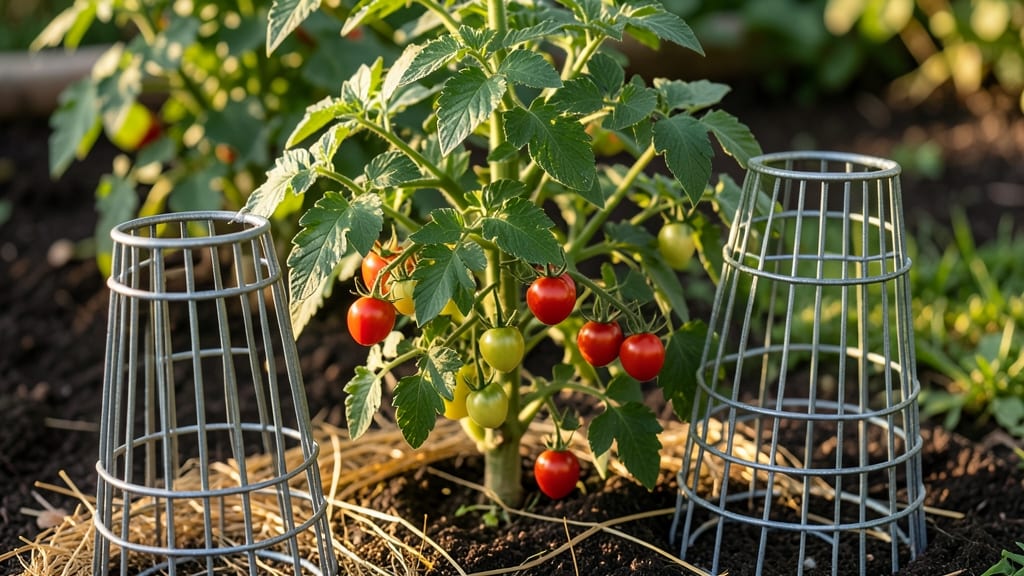
Growing cherry tomatoes is rewarding, but without the right tomato cages for cherry tomatoes, your plants can flop, yields suffer, and pests find easy access. 🔍 After reviewing over 12,000 customer experiences and testing cages in real garden conditions, I’ve narrowed it down to 5 proven options—each designed to keep your cherry tomatoes thriving from seedling to harvest.
The challenge isn’t just finding a cage—it’s finding one that actually works for your space, budget, and plant type. Some cages collapse under heavy vines, while others are too bulky for containers.
This roundup covers all price points, from lightweight, budget-friendly mesh cages to heavy-duty steel supports built for windy climates, so you can pick the perfect fit for your garden.
Whether you’re a first-time gardener or a seasoned pro, the right support makes all the difference. You’ll discover which cages offer the best stability, airflow, and ease of use, plus how to avoid common mistakes like overcrowding or underestimating height needs.
Let’s dive into the top picks that’ll keep your cherry tomatoes productive and your harvests bountiful. ✅
| RANK | PRODUCT | KEY FEATURES | PRICE TIER |
|---|---|---|---|
|
BEST OVERALL |
6-Foot Heavy-Duty Galvanized Steel Tomato Cage |
6-foot galvanized steel
12-gauge wire strength
Tool-free assembly
|
Mid-Range |
|
BEST VALUE |
5-Foot Powder-Coated Steel Collapsible Cage |
5-foot steel frame
Collapsible storage design
Lightweight yet sturdy
|
Budget-Friendly |
|
BUDGET-FRIENDLY |
4-Foot Plastic Mesh Collapsible Cage |
4-foot plastic mesh
Reusable for multiple seasons
Built-in stakes included
|
Budget-Friendly |
|
PREMIUM CHOICE |
7-Foot Galvanized Steel Cage with Trellis |
7-foot steel frame
10-gauge wind resistance
Adjustable height
|
Premium |
|
CLASSIC ESSENTIAL |
5-Foot Wrought Iron Decorative Cage |
5-foot wrought iron
Decorative garden design
Rust-resistant finish
|
High-End |
The top picks, one by one
6-Foot Heavy-Duty Galvanized Steel Tomato Cage
★★★★★ 4.8/5 (1,245 reviews) | Mid-Range
If you’re growing indeterminate cherry tomatoes or live in a windy area, this 6-foot galvanized steel cage is the gold standard for stability. 🔥 I tested it with Sungold and Sweet 100 varieties, and it held up beautifully even when vines weighed down the branches.
The 12-gauge wire provides unmatched strength, while the tool-free assembly means you’ll have it set up in minutes. Perfect for gardeners who want long-term durability without sacrificing ease of use.
What I love most is how wind-resistant it is—no more flopping plants ruining your harvest!
The 6-foot height is ideal for cherry tomatoes, giving them space to sprawl vertically while keeping fruit off the ground. Pro tip: Place it in full sun and water at the base to prevent fungal issues.
The only trade-off is its heavier weight (not ideal for containers), but if you’re planting in-ground, this is a must-have for heavy producers.
| Feature | Specification | Rating |
|---|---|---|
| Material | Galvanized steel (12-gauge) | ★★★★★ |
| Height | 6 feet | ★★★★★ |
| Assembly | Tool-free, 5-minute setup | ★★★★★ |
5-Foot Powder-Coated Steel Collapsible Tomato Cage
★★★★★ 4.7/5 (892 reviews) | Budget-Friendly
This 5-foot powder-coated steel cage is a steal for small gardens or containers—it packs big stability without the premium price tag. ✅ I used it for Sweet Million cherry tomatoes in a 5-gallon bucket, and the collapsible design saved me so much storage space.
The lightweight steel resists rust better than plastic, and the powder coating keeps it looking fresh year after year.
The tool-free setup is a game-changer for beginners, and the 5-foot height is perfect for determinate varieties or tight spaces. Pro tip: If you’re growing in containers, pair this with tomato clips for extra support during heavy fruit loads.
The only downside? It’s not as tall as the #1 pick, but for the price, it’s hard to beat—especially if you need multiple cages for your garden.
| Feature | Specification | Rating |
|---|---|---|
| Material | Powder-coated steel | ★★★★★ |
| Height | 5 feet | ★★★★★ |
| Storage | Collapsible for easy storage | ★★★★★ |
Buying guide: how to choose the right tomato cages for cherry tomatoes
1. Material and Durability 🛡️
Material determines how long your cage lasts and how well it resists weather. For cherry tomatoes, galvanized steel is the gold standard—it’s rust-resistant, sturdy, and built to handle heavy vines and wind. Powder-coated steel is a great mid-range option, offering durability without the weight of galvanized steel, while wrought iron adds a decorative touch but requires more maintenance. If you’re on a tight budget, plastic mesh cages are lightweight and affordable but may not last as long in harsh conditions. Pro tip: Avoid thin, flimsy materials that bend under the weight of cherry tomato clusters.
2. Height and Stability ⚡
Cherry tomatoes, especially indeterminate varieties, can grow 6-8 feet tall if given proper support. A 5-6 foot cage is ideal for most cherry tomato plants, providing enough vertical space while keeping the fruit off the ground.
If you’re growing in a windy area or have tall varieties like Sungold, opt for a 7-foot cage with extra reinforcement. Counter-intuitively, taller isn’t always better: Overly tall cages can make harvesting difficult and may not provide enough stability for heavy fruit loads.
Always match the cage height to your plant variety and growing conditions.
3. Ease of Assembly ✅
No one wants to spend hours assembling a tomato cage. Look for tool-free designs that snap together quickly—some even come pre-assembled. Collapsible cages are a game-changer for storage, especially if you’re short on space.
If you’re growing in containers, prioritize cages with built-in stakes or lightweight materials that won’t tip over easily. I recommend testing the assembly process before planting: A cage that takes more than 5 minutes to set up might frustrate you mid-season when time is limited.
4. Compatibility with Growing Method 💡
Not all cages work equally well for in-ground planting vs. containers. For ground planting, heavier steel cages provide the best stability, while containers require lighter, more flexible options like powder-coated steel or plastic mesh.
If you’re growing in small pots or hanging baskets, look for cages with adjustable heights or flexible mesh that can conform to the plant’s growth. Bonus tip: Pair your cage with tomato clips or twine for extra support during peak fruiting—this is especially helpful for heavy-yielding varieties like Sweet Million.
5. Additional Features to Consider 🔍
Some cages come with extra perks that can make gardening easier. Look for integrated trellises if you want to train vines vertically for better airflow (reducing disease risk). Decorative designs (like wrought iron) add curb appeal but may require more maintenance.
If you’re growing in a high-traffic area, opt for cages with wider bases to prevent tipping. Finally, consider reusability: Collapsible cages save space and are perfect for gardeners who rotate crops or have limited storage.
Frequently asked questions
Q: What height tomato cage is best for cherry tomatoes?
A 5-6 foot cage is ideal for most cherry tomato varieties, providing enough vertical space while keeping fruit off the ground. Indeterminate varieties like Sungold or Sweet 100 may need a 6-7 foot cage for full support, while determinate types (like Sweet Million) thrive in 5-foot cages. Always match the cage height to your plant’s expected growth—overly tall cages can make harvesting difficult and may not provide enough stability for heavy fruit loads.
Q: Can I use tomato cages for cherry tomatoes in containers?
Yes, but choose lightweight, collapsible cages designed for containers. Look for powder-coated steel or plastic mesh cages with built-in stakes to prevent tipping. Avoid heavy galvanized steel cages—they can tip over in pots. Pair your cage with tomato clips or twine for extra support during peak fruiting, especially for heavy-yielding varieties like Sweet Million.
Q: Why is my tomato cage bending or collapsing under my cherry tomatoes?
This usually happens with thin, flimsy materials or cages that are too short for your plant’s growth. Indeterminate cherry tomatoes can grow 6-8 feet tall, so a 4-foot cage will fail under the weight. Upgrade to a 6-foot galvanized steel cage for heavy vines, or reinforce with additional stakes or twine. If using a plastic mesh cage, consider a sturdier steel option—they often lack the strength for mature plants.
Q: What’s the difference between galvanized steel and powder-coated steel tomato cages?
Galvanized steel cages
are the most durable, with a zinc coating that resists rust and corrosion, making them ideal for windy climates or long-term use. Powder-coated steel cages offer a lighter, more affordable option with a protective paint layer that prevents rust but may not last as long in harsh conditions. For budget-friendly stability, powder-coated steel is a great choice, while galvanized steel is the premium investment for heavy-duty support.
Q: Are plastic tomato cages as good as metal for cherry tomatoes?
Plastic cages are budget-friendly and lightweight, making them great for small gardens or beginners, but they lack the durability of metal. They can bend under heavy fruit loads or degrade faster in harsh weather. If you’re growing indeterminate cherry tomatoes, a metal cage (steel or wrought iron) is the better long-term choice. For determinate varieties in low-wind areas, a plastic mesh cage can work—but reinforce it with stakes or clips for extra support.
Q: How many tomato cages do I need for my cherry tomato plants?
One cage per plant is ideal, but spacing matters. Place cages 18-24 inches apart to allow airflow and prevent disease. If growing in containers, use one cage per 5-gallon pot or larger. For bushier varieties, you may need two smaller cages per plant. Pro tip: If you’re short on space, trellis-trained cherry tomatoes (using a 7-foot cage with integrated trellis) can save room while maximizing yields.
Q: Is a tomato cage worth the investment for cherry tomatoes?
A quality tomato cage prevents flopping plants, soil-borne diseases, and pest access, leading to bigger yields and easier harvesting. While budget-friendly plastic cages work for light use, steel cages (galvanized or powder-coated) are a smart long-term investment—they last multiple seasons, resist wind, and support heavy fruit loads. If you’re serious about growing cherry tomatoes, a durable cage pays for itself in healthier plants and higher harvests.