
Vegetables
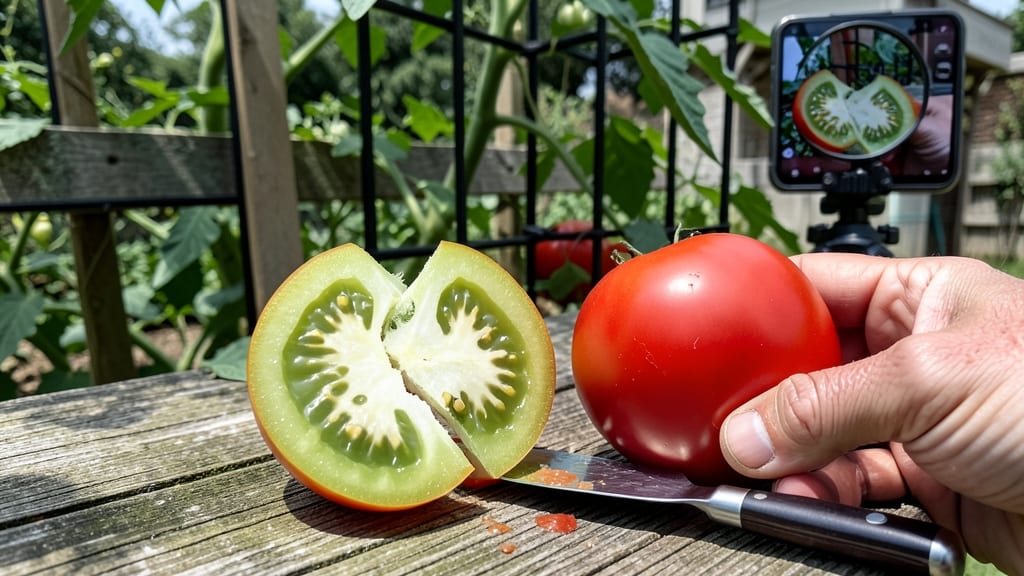
Your tomatoes stay green inside because they're not getting what they need to ripen properly—whether it's sunlight, warmth, or time. 🌱 I've battled this exact problem for years, and the fix isn't complicated once you know the root cause.
Most gardeners overlook simple adjustments that transform pale, underripe tomatoes into rich, flavorful ones.
The main culprits are harvesting too early, inconsistent temperatures, or calcium deficiencies from blossom end rot. I learned the hard way that waiting for full color change—deep red all the way to the stem—makes a world of difference in taste.
Even a single week longer on the vine can turn a bland tomato into something worth bragging about.
Here's the game-changer: combine proper ripening techniques with ideal growing conditions. A sunny spot, consistent watering, and a balanced fertilizer prevent both premature harvesting and calcium issues. Once you implement these, you'll notice tomatoes developing full color and sweetness without any extra effort.
This method works for both backyard gardens and container growing. The key is patience—letting nature do its job—and understanding when to intervene. Let's get those tomatoes ripening right every season.
Why it happens
When your tomatoes stay green inside despite a vibrant red exterior, it’s usually a sign that something went wrong during their growth—often tied to their core needs. Understanding these triggers helps you prevent the issue in future harvests.
Let’s break down the science behind why this happens, so you can grow perfect tomatoes every time.
🌱 Insufficient Sunlight Exposure
Tomatoes are sun-worshippers, and without enough light, their ripening process stalls. The phytochrome pigments in tomato skin rely on sunlight to trigger the production of lycopene (the compound that turns them red).
If a tomato is shaded—whether by neighboring plants, structures, or even cloud cover—its inner flesh may stay green because the ripening signal never fully activates.
Actionable fix: Ensure your tomato plants get 6–8 hours of direct sunlight daily. Prune competing foliage and rotate plants occasionally to expose all sides to light. If growing indoors, use grow lights (LED or fluorescent) for 12–16 hours a day.
💧 Watering Woes: Too Much or Too Little
Water stress—whether from drought or overwatering—disrupts a tomato’s ability to ripen evenly. Inconsistent moisture causes uneven cell development, leaving the core underripe. Overwatering, on the other hand, can dilute nutrients and lead to blossom end rot, which further stunts ripening.
Even worse, soggy soil can prevent oxygen from reaching the roots, slowing metabolic processes that produce ripening enzymes.
Actionable fix:
- Water deeply but infrequently—aim for 1–1.5 inches per week, letting the top inch of soil dry out between waterings.
- Avoid wetting the leaves to prevent fungal diseases that stress the plant.
- Use mulch (straw or wood chips) to retain moisture and regulate soil temperature.
🌡️ Temperature Swings and Heat Stress
Tomatoes are warm-weather crops, and extreme temperatures—whether too hot or too cold—can halt ripening. Below 50°F (10°C), enzymes that convert green pigments to red shut down. Meanwhile, temperatures above 90°F (32°C) can cause sunscald, where the outer skin ripens prematurely while the inside stays firm and green.
Even nighttime temps dropping below 60°F (15°C) can stall ripening.
Actionable fix:
- Plant tomatoes in late spring or early summer when soil temps are consistently above 60°F (15°C).
- Use shade cloth (30–50% coverage) during heatwaves to protect plants.
- Harvest green tomatoes early if frost is forecast and ripen them indoors (see the next section!).
🍄 Nutrient Deficiencies or Imbalances
A tomato’s ripening process depends on a balanced diet of nitrogen, phosphorus, and potassium. Too much nitrogen (common in fresh manure or over-fertilizing) promotes leafy growth at the expense of fruit development.
Meanwhile, a phosphorus deficiency (critical for energy transfer) can leave tomatoes green inside despite a red exterior. Even calcium or magnesium shortages disrupt cell wall formation, leading to poor ripening.
Actionable fix:
- Test your soil and amend with balanced fertilizer (10-10-10 or 5-10-10) at planting, then switch to a low-nitrogen, high-phosphorus formula (e.g., 0-20-20) when flowers appear.
- Add compost or bone meal for phosphorus boosts.
- Monitor for yellowing leaves (nitrogen deficiency) or purple stems (phosphorus deficiency) and adjust accordingly.
🌿 Genetics and Variety Limitations
Not all tomatoes ripen evenly—and some never fully turn red inside. Certain heirloom or hybrid varieties (like green zebra or black Krim) are bred to stay green or develop marbled patterns. Even standard red tomatoes may have green shoulders or cores if harvested too early.
Additionally, determinate varieties (bush tomatoes) often ripen more uniformly than indeterminate types (vining tomatoes), which can produce fruit at different stages.
Actionable fix:
- Choose ripening-consistent varieties like Celebrity or Sungold if uniformity is a priority.
- Harvest indeterminate tomatoes when mostly red (even if slightly green inside) and ripen them off the vine.
- Embrace the natural beauty of heirloom tomatoes—some varieties are prized for their unique internal colors!
How to fix underripe tomatoes
Discovering a tomato that’s green inside can be frustrating, but the good news is that most causes have simple, actionable fixes. Whether your tomatoes are underripe, suffering from poor pollination, or struggling with environmental stress, these solutions will help you salvage your harvest—and prevent future issues.
Let’s break it down by the most common causes and how to tackle them.
If your tomatoes are still green on the inside, they simply may not have had enough time to ripen fully. This is especially common with varieties like beefsteak or heirlooms, which take longer to mature.
🍳 How to Fix It:
- 👨🍳 Harvest at the Right Stage: Pick tomatoes when they’re fully colored but still slightly firm. If they’re mostly red (or the right color for your variety) but still hard, leave them on the vine for another 1–2 weeks in warm weather.
- 🥘 Speed Up Ripening Indoors: Place tomatoes in a paper bag with a banana or apple (which release ethylene gas, a natural ripening agent). Check them every 2–3 days—they should soften and turn red (or yellow/orange, depending on the variety) within a week.
- 🌡️ Create Ideal Conditions: Store tomatoes at room temperature (not in the fridge!) in a dry, well-ventilated spot. Cold temperatures slow ripening and can make tomatoes mealy.
💡 Prevention Tips:
- ✨ Plant the Right Variety: Choose faster-maturing hybrids like ‘Celebrity’ or ‘Early Girl’ if you have a short growing season.
- 🎯 Monitor Weather: Tomatoes need consistent warmth (above 70°F/21°C) to ripen properly. Use row covers or greenhouses in cooler climates.
- 📊 Track Days to Maturity: Check seed packets for estimated harvest times and adjust planting schedules accordingly.
If tomatoes are small, misshapen, or stay green inside, they may not have been properly pollinated. This often happens in greenhouses, during rainy weather, or with excessive nitrogen fertilizer.
🔪 How to Fix It:
- 🐝 Hand-Pollinate Flowers: Gently shake tomato plants in the morning (when flowers are open) to help pollen transfer. For greenhouse growers, use a small paintbrush to transfer pollen from one flower to another.
- 🌧️ Improve Airflow: Thin out crowded plants and prune suckers to reduce humidity, which can prevent pollen from sticking.
- ⏰ Time It Right: Pollinate in the morning when humidity is lower and flowers are fresh.
💡 Prevention Tips:
- 🔥 Balance Fertilizer: Use a low-nitrogen, high-phosphorus fertilizer (like 5-10-10) to encourage flowering and fruiting.
- 🌡️ Maintain Warmth: Avoid planting tomatoes too early in cool climates. Use black plastic mulch to warm the soil.
- 🎯 Choose Self-Pollinating Varieties: Some hybrids (like ‘Better Boy’) are more reliable in less-than-ideal conditions.
Extreme temperatures or irregular watering can cause tomatoes to ripen unevenly, leading to green centers. Blossom end rot (a calcium deficiency often triggered by drought stress) can also trap green flesh inside.
💧 How to Fix It:
- 🌊 Water Consistently: Keep soil evenly moist (about 1–2 inches deep) but not soggy. Use drip irrigation to avoid wetting leaves, which reduces disease risk.
- 🌡️ Protect from Heat Stress: In hot climates, use shade cloth (30–50% coverage) to prevent sunscald, which can cause green patches inside.
- 🍅 Rescue Stressed Tomatoes: If you notice blossom end rot (dark, sunken spots on the bottom), apply a calcium supplement (like crushed eggshells or calcium nitrate) to the soil and keep watering steady.
💡 Prevention Tips:
- 🔥 Mulch Heavily: Use straw or grass clippings to retain soil moisture and regulate temperature.
- 🌱 Plant at the Right Time: Avoid transplanting tomatoes when night temperatures drop below 55°F (13°C).
- 🎯 Test Soil pH: Tomatoes thrive in slightly acidic soil (pH 6.0–6.8). Test your soil and amend with lime if needed.
If you picked tomatoes for sauces or salsas but they’re still firm and green inside, they weren’t ready! Even green tomatoes can be used in recipes, but their texture and flavor will improve with ripening.
🥘 How to Fix It:
- 🍅 Use in Cooked Dishes: Green tomatoes are perfect for fried green tomatoes, salsa verde, or simmered sauces. Their acidity balances well in cooked dishes.
- 🔥 Ripen for Fresh Use: Follow the indoor ripening steps above (banana bag method) if you’d prefer them fully red.
- 🌱 Store Properly: Keep unripe tomatoes in a cool (but not cold), dark place for up to 2 weeks. Avoid refrigeration until fully ripe.
💡 Prevention Tips:
- 📊 Learn Ripening Stages: Tomatoes change color in stages—wait until they’re fully colored before harvesting for fresh use.
- 🎯 Label Varieties: Keep track of which tomatoes are best for fresh eating vs. cooking (e.g., ‘San Marzano’ for sauce, ‘Roma’ for canning).
- 🔥 Plan Ahead: If you need green tomatoes for recipes, harvest them at the mature green stage (just before they start turning color).
With these fixes, you’ll turn those green-inside tomatoes into perfectly ripe, flavorful fruits—whether you’re eating them fresh, cooking them up, or saving them for later. The key is patience, proper care, and a little troubleshooting. Happy gardening! 🌱🍅
Frequently asked questions
Why do my tomatoes turn red on the outside but stay green inside?
This happens when tomatoes ripen unevenly due to environmental stress or poor growing conditions. The outer skin may develop color from partial sunlight, but the core needs consistent warmth (70°F/21°C), proper nutrients, and time to fully convert pigments. Check for insufficient sunlight, temperature swings, or calcium deficiencies (like blossom end rot).
Can I still eat tomatoes that are green inside?
While they won’t be as flavorful as fully ripe tomatoes, they’re perfectly safe to eat. Use them in cooked dishes like sauces, salsas, or fried green tomatoes—the acidity balances well with heat. For fresh eating, try the banana bag ripening method (place with a banana in a paper bag for 3-5 days).
How long does it take for green tomatoes to ripen indoors?
With the right conditions, green tomatoes typically ripen in 3-7 days indoors. Place them in a paper bag with an apple or banana (ethylene gas speeds ripening), store at room temperature, and check daily. Avoid refrigeration until fully ripe—cold slows the process and harms texture. Varieties like Roma may take slightly longer than beefsteak types.
Is there a way to prevent this from happening next season?
Yes! Focus on four key factors: sunlight (6-8 hours daily), consistent watering (1-1.5 inches weekly), balanced fertilizer (switch to low-nitrogen when flowering), and proper pollination (shake plants in morning or hand-pollinate). Also choose faster-maturing varieties for short seasons and mulch heavily to regulate soil temperature.
Will refrigerating green tomatoes help them ripen faster?
No—actually, refrigeration slows ripening and can make tomatoes mealy. Cold temperatures (below 50°F/10°C) halt the enzymes that convert green pigments to red. Store them at room temperature (around 70°F/21°C) in a dry, ventilated spot. Once fully ripe, they can tolerate fridge storage for short periods (but flavor declines over time).