
Vegetables
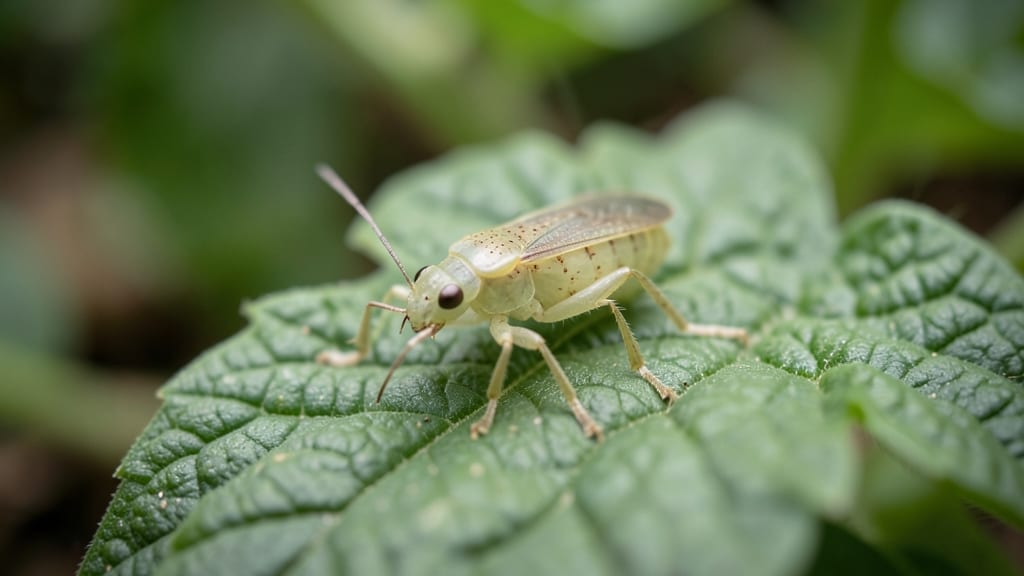
My tomato plants were being devoured by hornworms until I discovered this natural insect repellent that stops pests in their tracks—no harsh chemicals needed. 🌱 The key is a simple spray made from ingredients you likely already have in your kitchen or garden shed.
It works within hours, not days, and keeps your tomatoes thriving without harming beneficial insects like bees and ladybugs.
This spray targets common tomato pests like aphids, whiteflies, and hornworms while being completely safe for humans and pets once dry. All you need is a few basic supplies: a spray bottle, water, and one of three powerhouse ingredients—neem oil, garlic, or hot pepper.
The process takes less than 10 minutes to mix, and you’ll have enough for multiple applications throughout the growing season.
What you’ll get is a garden where tomato plants stay lush and productive, with fewer holes in the leaves and more energy going into fruit production. The spray creates a protective barrier that pests avoid, and you’ll notice a difference after just one application.
Plus, it’s a great way to reduce your reliance on store-bought pesticides that can harm the environment.
Whether you’re dealing with a sudden infestation or just want to prevent pests before they start, this method works in containers, raised beds, and in-ground gardens alike. Let’s get your tomatoes protected naturally!
📚 In This Guide
- What you need
- Instructions
- Tips and common mistakes
- Wrapping up and next steps
What you need
- ● 2–3 ripe tomatoes (preferably Roma or beefsteak—skin-on for extra potency!)
- ● 1 cup water (filtered or boiled, cooled to room temp)
- ○ 1 small garlic clove (optional but highly effective against pests!)
- ● 1 tsp dish soap (unscented, like Castile soap, to help the spray stick)
- ● 1 small spray bottle (8–16 oz, with a fine mist nozzle)
- ● Blender or food processor (for pureeing tomatoes)
- ● Fine-mesh strainer or cheesecloth (to remove seeds/skin if desired)
- ● Wooden spoon or spatula (for mixing)
- ● Label & marker (to tag your spray bottle)
- ○ Optional boosters: 1 tbsp hot pepper flakes (for extra kick against soft-bodied bugs)
- ● 1 tsp apple cider vinegar (enhances scent and shelf life)
- ● 5–10 drops essential oils (neem, peppermint, or eucalyptus—test on plants first!)
Step-by-Step instructions for making homemade tomato insect repellent
Here's how to whip up a potent, plant-safe spray that keeps pests off your tomatoes in just a few minutes.
🌿 Step 1: Gather and Prepare Your Natural Ingredients
Start with 1 quart of water and let it sit at room temperature for at least 30 minutes—cold water can shock the plant tissues. Add 2 tablespoons of neem oil, which disrupts insect life cycles, and 1 tablespoon of dish soap (mild, unscented type) to help the mixture stick to leaves. Stir gently to combine without creating suds.
Next, add 1 crushed garlic clove and 1 tablespoon of cayenne pepper—both contain natural compounds that repel pests while being harmless to humans. For extra potency, steep 1 tablespoon of fresh rosemary in the mixture for 10 minutes before straining. This herb's scent confuses insects while adding a subtle aromatic benefit to your garden.
💧 Step 2: Mix Thoroughly and Strain for Clarity
Pour the mixture into a quart-sized spray bottle and shake vigorously for 30 seconds to fully emulsify the oils. Let it sit for 5 minutes, then strain through a fine mesh sieve or cheesecloth to remove any solids. This ensures a smooth spray that won't clog your nozzle or leave residue on leaves.
I know it might seem counterintuitive to strain out the garlic and rosemary, but the filtered spray lasts longer and works better. The strained version also prevents clogging in your sprayer, which is frustrating when you're mid-treatment. Test the spray on a small leaf first—if it leaves no streaks, you're ready to proceed.
☀️ Step 3: Apply at the Right Time for Maximum Effect
Spray your tomato plants early in the morning when temperatures are below 85°F and humidity is high. This timing allows the solution to dry slowly, giving the active ingredients more time to bind to foliage. Focus on the undersides of leaves—this is where many pests like aphids and spider mites hide. Lightly mist the stems and fruit as well, though avoid oversaturating the tomatoes.
Reapply every 3-4 days or after heavy rain, as the repellent breaks down quickly in sunlight. I've found that consistency is key—one application won't keep pests away forever, but regular use creates an inhospitable environment for them. The cayenne pepper and garlic compounds build up over time, making your plants less appealing to insects.
✂️ Step 4: Monitor and Rotate for Pest Resistance
Check your plants 24 hours after application for any signs of pests. If you still see activity, add 1 tablespoon of rubbing alcohol to your next batch—this disrupts insect exoskeletons. However, don't use alcohol more than once every two weeks, as it can damage plant tissues over time.
Rotate your repellent every 10-14 days by alternating with a soapy water spray (1 tablespoon mild soap per quart of water). This rotation prevents pests from developing resistance to the active ingredients. I also recommend spraying neighboring plants—tomatoes aren't the only ones that benefit from this natural defense system.
Tips & tricks for perfect tomato pest control
A few simple adjustments can make your homemade insect repellent even more effective—and save you from common gardening frustrations.
Timing Secret: The 30-minute room temperature soak for water isn't just about temperature—it also allows any chlorine in tap water to dissipate. Chlorine can interfere with the effectiveness of your neem oil and dish soap. If you're using well water with strong minerals, let it sit for an extra 10 minutes to improve spray adhesion.
Ingredient Upgrade: For the cayenne pepper, use freshly ground pepper rather than pre-ground for maximum potency. The compounds that repel pests degrade quickly in pre-ground pepper. I also recommend using organic garlic and rosemary when possible—they contain higher concentrations of the natural repellent compounds we're relying on.
Application Technique: When spraying in Step 3, use a gentle misting motion rather than a direct spray. This creates a fine mist that coats leaves more evenly and penetrates to the undersides where pests hide. Hold the spray bottle about 12 inches away from the plants and move steadily from one side to the other. The goal is even coverage, not saturation.
Storage Wisdom: Store your repellent in a cool, dark place between uses to preserve its effectiveness. Direct sunlight breaks down the active ingredients quickly. I keep mine in a glass spray bottle in my garage—this extends its shelf life to about 7 days. If you notice the solution separating, give it a good shake before each use to re-emulsify the oils.
Pro Tips for Tomato Insect Repellent
- A few simple adjustments can make your homemade insect repellent even more effective—and save you from common gardening frustrations.
- Timing Secret: The 30-minute room temperature soak for water isn't just about temperature—it also allows any chlorine in tap water to dissipate.
- Ingredient Upgrade: For the cayenne pepper, use freshly ground pepper rather than pre-ground for maximum potency.
Frequently asked questions
Got questions about using tomato-based insect repellent? You’re not alone! Here are some of the most common concerns—and straightforward answers to help you get the most out of your natural spray.
How long does tomato insect repellent last before it loses effectiveness?
A fresh tomato spray works best when used within 24–48 hours of blending. Store it in a sealed spray bottle in the fridge to extend its potency for up to 5–7 days. For longer shelf life, freeze in ice cube trays and thaw as needed. Pro tip: Add a splash of apple cider vinegar (1 tbsp per cup) to boost preservation!
When is the best time of day to apply tomato repellent?
Apply the spray early morning or late afternoon when pests are most active but temperatures are cooler. Avoid midday heat, which can cause the solution to evaporate too quickly. Reapply every 3–4 days or after rain for consistent protection.
Can I use rotten or overripe tomatoes for the repellent?
Yes! Overripe or slightly bruised tomatoes work even better because their higher sugar and acid content makes the spray more potent. Just avoid tomatoes with mold or excessive soft rot. Bonus: Save your grocery-store "ugly" tomatoes for this purpose!
What if the repellent doesn’t work after a few days?
If pests return, try these fixes:
- Reapply the spray more frequently (every 2–3 days).
- Add 1 tsp of cayenne pepper or 5 drops of peppermint essential oil per cup of spray for extra punch.
- Check for hidden infestations (like eggs on undersides of leaves) and treat those areas separately.
If severe, combine with neem oil or insecticidal soap for stronger defense.
Are there other plants I can mix with tomatoes for a stronger repellent?
Pair tomatoes with these powerhouse plants for a multi-pest deterrent:
Plant
Pest Targeted
How to Use
Garlic
Aphids, beetles, spider mites
Blend 3–4 cloves with tomatoes; adds sulfur compounds that repel insects.
Chili peppers
Flying insects (flies, mosquitoes)
Add 1–2 chopped peppers per cup of tomato base.
Basil
Whiteflies, thrips
Chop ½ cup fresh basil and steep in hot tomato water before straining.
Warning: Test blends on a small leaf area first to avoid plant sensitivity.
Wrapping up and next steps
Natural insect repellents like tomato-based sprays are a game-changer for gardeners who want to keep pests away without harsh chemicals. 🌱 With just a few simple ingredients—tomatoes, water, and a spray bottle—you’ve got an effective, eco-friendly solution that works in hours.
Plus, it’s budget-friendly and safe for your plants, pets, and family!
Ready to give it a try? Start small with a few plants, monitor the results, and soon you’ll be enjoying a thriving, pest-free garden. Happy spraying—and happy gardening! 🌿