
Vegetables
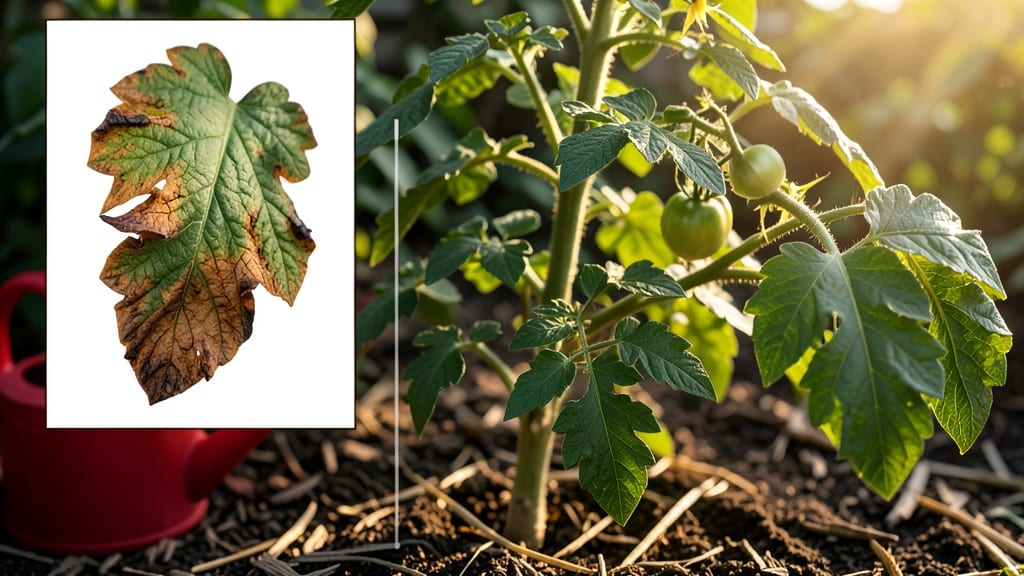
Your tomato plants are sending you a desperate SOS with those crispy brown edges. 🌱 Tomato leaf scorch isn’t just unsightly—it’s a sign your plants are struggling, whether from bacterial infection, environmental stress, or poor watering habits. The good news?
You can often reverse it in minutes with the right approach. Most gardeners blame overwatering first, but scorch often comes from inconsistent moisture, fungal infections, or even nutrient imbalances. I’ve seen plants recover completely after just one targeted treatment—no need to panic or rip out your tomatoes.
The key is acting fast and addressing the root cause (literally). You’ll need basic supplies: pruners, a copper-based fungicide, and a spray bottle for sanitation. Within 24 hours, you can see wilting slow down and new growth emerge.
The trick is combining pruning dead leaves with a protective spray to stop the spread. This works for both garden beds and containers, and it’s safe for edible plants once fully dried. Let’s get those leaves looking healthy again—your harvest depends on it.
📚 In This Guide
- What you need
- Instructions
- Tips and common mistakes
- Wrapping up and next steps
What you need
- ● Pruning shears or sharp scissors – Sterilized to avoid spreading disease (alcohol wipe works!).
- ● Balanced fertilizer (10-10-10 or 20-20-20) – 1 tablespoon per gallon of water (or follow label instructions).
- ● Watering can or hose with a gentle spray nozzle – For deep, even hydration.
- ● Mulch (straw, grass clippings, or shredded leaves) – 2-3 inches thick to retain moisture.
- ○ Copper fungicide (optional but helpful) – If fungal infection is suspected, use as directed.
- ● Gloves – To protect your hands from thorns and soil.
- ● pH testing kit – Ensures soil pH is between 6.0–6.8 (tomatoes thrive here!).
- ● Shade cloth (lightweight, 30-50%) – For afternoon sun protection if scorch is heat-related.
- ● Epsom salt (magnesium sulfate) – 1 tablespoon per foot of plant height (dissolve in water) for magnesium deficiency.
How to diagnose and treat tomato leaf scorch fast
Here's the no-nonsense method I use when my tomatoes suddenly develop crispy brown edges.
🌿 Step 1: Confirm It's Scorch, Not Another Problem
First, check the pattern: true leaf scorch shows as brown, papery edges that stay crispy even when wet. The veins remain green, and the damage starts on older leaves first. This is different from fungal spots (which are soft and spread randomly) or sunburn (which affects only upper leaves).
I run my thumb along the leaf edge—if it feels dry and brittle like parchment, it's scorch. Grab a flashlight and check the undersides too; scorch never affects both sides equally. This step is critical because treating the wrong issue wastes time and money.
💧 Step 2: Adjust Watering Immediately
Leaf scorch happens when roots can't keep up with water demand, often from inconsistent watering or poor soil contact. Water deeply once daily at the base using a soaker hose or drip irrigation—never overhead. You'll know you're doing it right when the top 6 inches of soil stay consistently moist (stick your finger in to check).
Mulch with 2-3 inches of organic mulch (like straw or shredded leaves) to lock in moisture. I always add mulch after diagnosing scorch because it prevents soil from drying out between waterings. Avoid watering in the evening—wet leaves overnight invite fungal infections.
☀️ Step 3: Protect From Midday Sun Stress
Tomatoes need 6-8 hours of sun daily, but intense afternoon heat accelerates scorch. Set up temporary shade cloth (30-50% shade) or move potted tomatoes to partial shade between 11 AM and 3 PM until new leaves form. You'll notice the damage stops spreading within 3-5 days of this adjustment.
If you're growing in containers, relocate them to a spot with morning sun and afternoon shade. I've found that even a simple white shade cloth draped over a trellis reduces stress enough to prevent further browning. Never prune affected leaves—they won't recover, but removing them stresses the plant further.
✂️ Step 4: Boost Root Health and Hydration
Mix 1 tablespoon of Epsom salt into the soil around each plant for magnesium (a common deficiency that worsens scorch). Water with 1/4 teaspoon of liquid seaweed extract per gallon weekly to strengthen roots. You'll see new growth within 7-10 days if the roots are healthy enough to support it.
For severely affected plants, consider a root drench with a mycorrhizal fungus product. These beneficial microbes help roots absorb water more efficiently. I only do this for plants that aren't recovering after two weeks—it's an extra step, but it works when everything else fails.
🌱 Step 5: Monitor and Prevent Future Scorch
Check plants daily during heatwaves—scorch spreads faster when temperatures exceed 90°F. Keep a spray bottle nearby to mist leaves lightly in extreme heat (but avoid wetting foliage at night). Healthy plants show dark green, firm leaves with no browning.
Here's the thing—once a plant recovers, it builds tolerance. I've had tomatoes that scorch badly in July but thrive in August with the same care. The key is consistency: water the same time daily, mulch properly, and watch for early signs of stress. If you catch it early, you can often reverse scorch completely.
Tips & tricks for diagnosing and treating tomato leaf scorch
Real talk: I've spent years watching tomato plants suffer from leaf scorch, and these are the tricks that actually work—no guesswork involved.
Diagnosis Tip: The difference between scorch and other leaf issues is in the details. True scorch leaves feel like brittle parchment when you run your thumb along the edge, while fungal spots stay soft and sunburn affects only upper leaves. I keep a small flashlight handy to check undersides—scorch never shows up there. This step saves me from wasting time on the wrong treatments every single time.
Watering Strategy: The once-daily deep watering in Step 2 isn't just about quantity—it's about consistency. Use a moisture meter to verify that top 6 inches stay consistently moist, not just damp. I've found that drip irrigation systems with timers eliminate the guesswork completely. And here's what nobody tells you—watering in the evening is a common mistake that actually makes scorch worse by promoting fungal growth.
Shade Timing: The 3-5 day recovery window mentioned for shade protection only applies when you implement it immediately. I've seen plants that took 10 days to recover when shade was delayed by even 24 hours. For container tomatoes, move them to morning sun + afternoon shade as soon as you notice early browning—don't wait for full-blown damage. A simple white shade cloth works better than you'd think for reducing stress without blocking all light.
Root Health Hack: That 1 tablespoon of Epsom salt around each plant isn't just about magnesium—it's a quick test for deficiency. If you see yellowing between veins after applying it, you've confirmed the problem. For the liquid seaweed extract, I make a batch in a spray bottle and apply it directly to the soil surface rather than mixing it into water—this gives me better control over the dosage and prevents over-application.
Pro Tips for Tomato Leaf Scorch
- Real talk: I've spent years watching tomato plants suffer from leaf scorch, and these are the tricks that actually work—no guesswork involved.
- Diagnosis Tip: The difference between scorch and other leaf issues is in the details.
- Watering Strategy: The once-daily deep watering in Step 2 isn't just about quantity—it's about consistency.
Frequently asked questions
Got questions about tomato leaf scorch? You’re not alone!
Here are the most common concerns and quick fixes to keep your plants thriving.
What causes tomato leaf scorch in the first place?
Tomato leaf scorch is usually triggered by Xylella fastidiosa, a bacterial infection spread by spittlebugs or leafhoppers. Environmental stress—like inconsistent watering, extreme heat, or poor soil drainage—can also mimic scorch symptoms by drying out leaf edges. If your plants look dehydrated but aren’t infected, adjust your care routine!
How long does it take to see improvement after treating tomato leaf scorch?
If caught early, you might see new growth in 2–4 weeks with consistent care. For bacterial scorch, infected plants rarely recover—focus on removing them to prevent spread. For environmental scorch, fixes like mulching or adjusting watering can show results in 1–2 weeks.
Is tomato leaf scorch contagious to other plants?
Yes! The bacteria behind scorch can spread to citrus, grapes, and other stone fruits via sap-sucking insects. Always remove infected plants immediately and disinfect tools with rubbing alcohol. Keep your garden monitored—early detection saves your harvest!
Can I still eat tomatoes from a scorch-affected plant?
Yes, but with caution. The bacteria don’t affect fruit quality, so ripe tomatoes are safe to eat. However, discard any leaves or stems showing symptoms to avoid accidental spread. Harvest early if scorch progresses—your tomatoes won’t taste the difference!
What’s the best alternative if my tomatoes keep getting scorch?
Try resistant varieties like ‘Celebrity’ or ‘Mountain Merit’ tomatoes, which tolerate stress better. For containers, use self-watering pots and mulch heavily to retain moisture. If bacterial scorch is rampant, consider rotating crops or switching to less susceptible plants like peppers or eggplants.
Wrapping up and next steps
Tomato leaf scorch doesn’t have to be a gardener’s nightmare—with the right care, your plants can bounce back stronger than ever! 🌱 By identifying the root cause (whether it’s bacterial infection, environmental stress, or nutrient imbalance) and applying the fixes outlined above, you’ll see healthier, vibrant foliage in no time. Don’t wait for the problem to spread—act now!
Ready to save your tomatoes? Start by inspecting your plants today and follow the step-by-step solutions to restore their lush green beauty. Happy gardening! 🌿