
How To
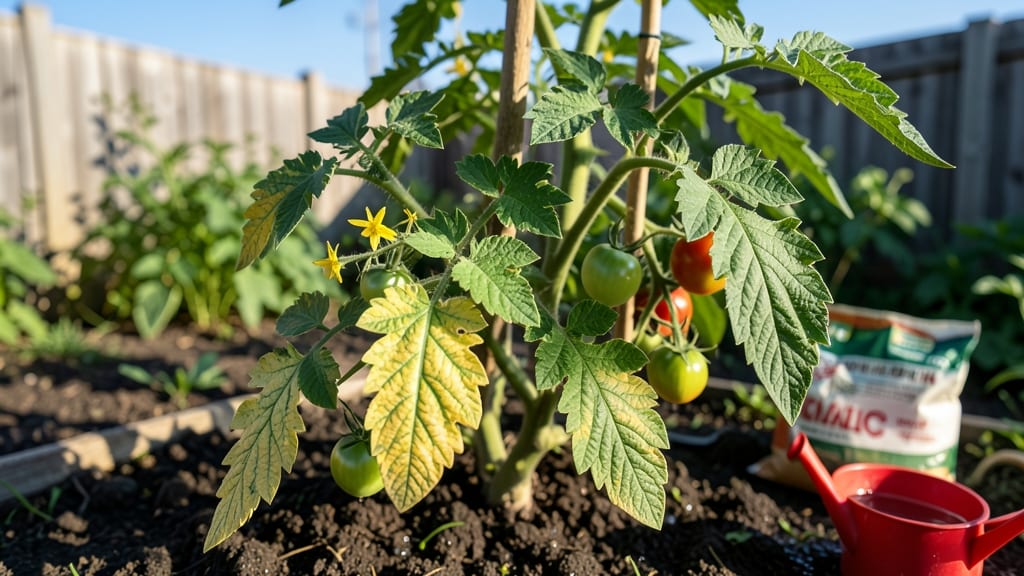
Tomato leaves going yellow can feel like a death sentence for your summer harvest—until you know the quick fixes. 🌱 I’ve seen plants go from crisp green to sad yellow in days, but the right steps can bring them back in weeks.
The first move? Stop guessing and start checking: is it water, soil, or something sneaky like pests?
Overwatering is the #1 culprit, turning roots black while leaves yellow from thirst. But it could also be nitrogen deficiency (old soil), fungal diseases (like early blight), or even too much sun scorch. Grab a trowel and a spray bottle—we’ll diagnose in 5 minutes—no lab needed.
Once you spot the problem, the fixes are simple: adjust watering, add compost, or spray neem oil. My 3-step method has saved dozens of plants from the compost pile. The key? Act fast—yellow leaves spread like gossip if you ignore them.
Prevention is even easier: mulch heavily, water at the base, and rotate crops yearly. Healthy soil means happy tomatoes all season. Let’s get those leaves green again—no panic, just action.
Root Causes Of Yellowing Leaves
Yellowing tomato leaves aren’t just a cosmetic issue—they’re your plant’s way of signaling distress. Understanding the why behind the discoloration is the first step to saving your crop. Below, we break down the most common culprits, from environmental stressors to hidden pests, with clear explanations and actionable insights.
💡 Did you know? Tomato plants thrive on consistency, but soggy roots are their worst enemy. Overwatering or compacted soil cuts off oxygen, leading to root rot—a silent killer that starves leaves of nutrients, causing them to yellow, especially near the bottom of the plant.
- How it happens:
- Excess moisture triggers anaerobic bacteria in the soil, which "chokes" roots.
- Clay or heavy soil holds water like a sponge, preventing drainage.
- Pot-bound roots in containers struggle to expand, accelerating rot.
- What to watch for:
- Yellowing starts at the older leaves (bottom of the plant).
- Leaves may feel slimy or mushy when touched.
- Soil smells rank or sour (like wet newspaper).
- Quick fix:
- Test your soil: Stick your finger 1–2 inches deep—if it’s damp after 24 hours, you’re overwatering.
- Improve drainage: Amend soil with perlite, vermiculite, or compost (20–30% mix).
- Repot if needed: If roots are circling the pot, upgrade to a larger container with drainage holes.
🌡️ Heatwave warning! Tomato plants wilt faster than you think—even in just a few days of dry soil. When roots can’t absorb enough water, leaves curl, yellow, and crisp at the edges, often starting on the outer edges and moving inward.
- How it happens:
- Shallow root systems (common in young plants) dry out quickly.
- Evaporative stress: Hot, windy days or lack of mulch speed up moisture loss.
- Inconsistent watering: Skipping sessions leads to cyclical stress (plants can’t recover between waterings).
- What to watch for:
- Dry, brittle soil that pulls away from the pot edges.
- Wilting that recovers at night (a classic drought signal).
- Yellowing along leaf veins (unlike nutrient deficiencies, which affect entire leaves).
- Quick fix:
- Water deeply: Aim for 1–1.5 inches per week (more in extreme heat).
- Mulch like a pro: Use straw or wood chips to retain moisture and cool roots.
- Morning watering: Reduces evaporation and gives leaves time to dry (preventing fungal issues).
📊 Leaves don’t just yell—they whisper in yellow. Different nutrient shortages trigger yellowing in specific patterns, helping you diagnose the issue fast.
| Nutrient | Yellowing Pattern | Why It Happens | Fix It Fast |
|---|---|---|---|
| Nitrogen (N) | Entire older leaves turn pale yellow, then brown. | Nitrogen fuels leaf growth—when lacking, plants "recycle" it from old leaves. | Side-dress with compost or use a balanced fertilizer (10-10-10) every 2–3 weeks. |
| Magnesium (Mg) | Yellow patches between veins (like a "lime" pattern). | Magnesium is vital for chlorophyll—deficiency often occurs in alkaline soils. | Epsom salt soak: Dissolve 1 tbsp per gallon of water and apply every 2 weeks. |
| Iron (Fe) | Young leaves stay yellow (even white) while veins remain green. | Iron locks out in alkaline or waterlogged soils. | Chelated iron spray or acidify soil with cottonseed meal (1 lb per 100 sq ft). |
| Potassium (K) | Yellowing with brown edges (like a "scorched" look). | Potassium regulates water and disease resistance—deficiency weakens cell walls. | Banana peel tea (soak peels in water for 2 days) or kelp meal (1 tbsp per plant). |
🐜 Tiny invaders can turn your lush tomato plant into a yellowing mess overnight. Pests and pathogens sap nutrients or block water uptake, causing leaves to yellow, wilt, or develop spots.
- Common culprits:
- Aphids/Whiteflies: Cluster on undersides of leaves, injecting toxins that cause yellowing and stunted growth.
- Spider Mites: Tiny red pests suction plant juices, leading to bronzing/yellowing and webbing.
- Fungal Diseases (Early Blight, Septoria Leaf Spot):
- Brown/yellow spots with concentric rings (fungal).
- Yellowing + black/brown lesions (bacterial spot).
- Root-Knot Nematodes: Microscopic worms that damage roots, reducing water/nutrient absorption.
- What to watch for:
- Sticky residue on leaves (aphid honeydew).
- Webbing or tiny moving dots (mites).
- Spots with halos (fungal/bacterial infections).
- Quick fixes:
- Blast pests off: Spray leaves with soapy water (1 tsp mild soap + 1 quart water).
- Neem oil spray: 1 tsp neem oil + 1 tsp soap per quart of water (reapply every 5–7 days).
- Copper fungicide: For bacterial/fungal spots (1 tbsp copper sulfate per gallon).
- Beneficial nematodes: Drench soil with microscopic nematodes (like Steinernema) to attack root-knot worms.
🌡️ Tomatoes are tropical at heart—but push them too far, and they’ll protest in yellow. Extreme temperatures or light fluctuations can shock your plant, causing leaves to yellow, curl, or drop.
- Too Much Heat:
- Symptoms: Yellowing along leaf edges, wilting, fruit sunburn (blotchy white patches).
- Why it happens: Heat speeds up transpiration (water loss) faster than roots can replace it.
- Fix: Provide afternoon shade (use shade cloth) and mulch heavily.
- Cold Stress:
- Symptoms: Yellowing + blackened edges (especially on young leaves), stunted growth.
- Why it happens: Temperatures below 50°F (10°C) slow metabolism, while frost damages cell walls.
- Fix: Use row covers or move pots indoors if frost is forecasted.
- Light Issues:
- Too Little Light: Leggy growth + yellowing between veins (etiolation).
- Too Much Light: Bleached or scorched leaves (especially in greenhouses).
- Fix: Rotate plants weekly for even light exposure. Greenhouses? Use shade cloth in peak sun.
🌱 Moving plants is like a root-level identity crisis. When tomatoes are transplanted (or their roots are disturbed), they go into survival mode, often shedding leaves or yellowing as they adjust.
- How it happens:
- Root circling: Roots grow in a tight loop in pots, strangling themselves when transplanted.
- Disturbed roots: Rough handling during repotting severs fine root hairs, slowing nutrient uptake.
- Temperature/soil mismatch: Moving from cool shade to hot sun (or vice versa) shocks the plant.
- What to watch for:
- Yellowing within 1–2 weeks of transplanting.
- Wilting that recovers at night (roots can’t keep up).
- Stunted growth despite proper care.
- Quick fix:
- Prune damaged roots: Trim any black/mushy roots before replanting.
- Root stimulator: Use mycorrhizal fungi or hydrogel crystals to boost recovery.
- Gradual acclimation: Harden off seedlings **7–10 days
Fix Yellowing Leaves Fast
Now that you know what’s causing those pesky yellow tomato leaves 🌱💛, let’s roll up our sleeves and get your plants back to their vibrant, productive selves! The good news?
Most fixes are simple, cost-effective, and require minimal effort. Below, we’ve matched each common cause to a step-by-step solution—plus proactive tips to keep your tomatoes thriving long-term.
If your soil feels soggy or water pools at the base of the plant, root rot or waterlogging is likely the culprit. Act fast—yellowing leaves can spread quickly if roots suffocate.
How to Fix It:
- 🔥 Pause Watering Immediately Let the top 1–2 inches of soil dry out completely before watering again. Stick your finger in the soil—if it’s damp past your first knuckle, wait another day.
- 👨🍳 Improve Drainage
- Repot if needed: If your container lacks drainage holes, transfer the plant to a pot with holes or add a layer of gravel, perlite, or broken pottery at the bottom.
- Amend heavy soil: Mix in compost, coconut coir, or sand (1 part amendment to 3 parts soil) to loosen compacted earth.
- ⏰ Prune Damaged Foliage Snip off yellow or mushy leaves with clean pruners to redirect the plant’s energy to healthy growth.
💡 Prevention Tips:
- Water deeply but infrequently—aim for 1–1.5 inches per week (adjust for rain).
- Choose well-draining soil mixes labeled for vegetables or tomatoes.
- Avoid saucer-style pots unless they have drainage holes—water should escape, not pool.
Tomatoes love sunlight, but scorching heat or harsh afternoon rays can bleach leaves yellow. If edges appear crispy or leaves droop midday, your plants are begging for shade.
How to Fix It:
- 🌿 Provide Temporary Shade
- Use shade cloth (30–50%) or a lightweight row cover during peak sun (11 AM–3 PM).
- DIY hack: Drape a white bedsheet over a trellis or stakes for instant relief.
- 💦 Boost Hydration Water early in the morning to give roots time to absorb moisture before evaporation. Mulch with straw or grass clippings to retain soil moisture.
- 🌡️ Adjust Watering for Heat In extreme heat (>90°F/32°C), water twice daily—once in the morning and once in the early evening.
💡 Prevention Tips:
- Plant tomatoes where they get 6–8 hours of sun but avoid intense afternoon heat (e.g., south-facing windows or open fields).
- Choose heat-tolerant varieties like ‘Solar Fire’ or ‘Heatmaster’ if you live in a hot climate.
- Reflective mulch (like aluminum foil or white plastic) can deflect excess heat from the soil.
Yellowing leaves with spots, powdery residue, or mold signal fungal infections like early blight, late blight, or powdery mildew. These spread quickly—act within 24–48 hours to stop them.
How to Fix It:
- 🔪 Remove Infected Leaves
- Prune any leaves with yellow spots, black rings, or white powder using sterilized pruners (wipe with rubbing alcohol between cuts).
- Dispose of debris in the trash (not compost)—fungi can survive in compost piles.
- 🍳 Apply Fungicide
- Baking soda spray: Mix 1 tsp baking soda + 1 quart water + a few drops of dish soap. Spray every 7–10 days.
- Neem oil or copper fungicide: Follow package instructions for preventative sprays (great for early blight).
- 🌱 Improve Air Circulation
- Space plants 18–24 inches apart or prune lower leaves to allow airflow.
- Use fans on low setting near plants to dry leaves faster.
💡 Prevention Tips:
- Water at the base (avoid wetting leaves) and water in the morning so foliage dries by night.
- Rotate crops—never plant tomatoes in the same spot two years in a row.
- Solarize soil in fall: Water soil heavily, cover with clear plastic for 4–6 weeks to kill fungal spores.
Yellowing leaves can signal lack of nitrogen, magnesium, or iron. Check the leaf pattern to diagnose:
- Lower leaves yellow first? → Nitrogen deficiency.
- Yellow between veins? → Magnesium (Epsom salt fix).
- Yellow with green veins? → Iron deficiency.
How to Fix It:
- 📊 Test Your Soil Use a DIY soil test kit (available at garden centers) or send a sample to a local extension office for pH and nutrient analysis.
- 💪 Fertilize Smartly
- Nitrogen (lower leaves yellow): Apply a balanced fertilizer (10-10-10) or compost tea.
- Magnesium (yellow patches): Mix 1 tbsp Epsom salt per gallon of water and spray on leaves weekly for 2 weeks.
- Iron (pale yellow): Use chelated iron supplement or fish emulsion (follow package rates).
- 🥗 Avoid Over-Fertilizing Too much fertilizer burns roots—follow label instructions and water thoroughly after applying.
💡 Prevention Tips:
- Side-dress with compost or worm castings mid-season for a slow-release nutrient boost.
- Mulch heavily (3–4 inches) to retain moisture and prevent nutrient loss.
- Rotate crops to replenish soil nutrients naturally.
Chewing insects (aphids, spider mites) or sap-suckers (whiteflies) can cause yellow stippling or curled leaves. Inspect the undersides of leaves for tiny pests.
How to Fix It:
- 🔪 Blast Off Pests
- Spray with soapy water: Mix 1 tsp mild dish soap per quart of water and spray directly on pests (reapply every 3–4 days).
- Neem oil: Spray every 7 days to suffocate eggs and adults.
- 🕷️ Introduce Beneficial Insects
- Ladybugs (eat aphids) or lacewings (devour mites) can be purchased online or at garden centers.
- 🌿 Prune and Isolate
- Remove heavily infested leaves and drop them in soapy water (not compost).
- Quarantine new plants for 1–2 weeks before adding them to your garden.
💡 Prevention Tips:
- Inspect plants weekly—catch pests early!
- Plant companion plants like basil, marigolds, or nasturtiums to repel pests naturally.
- Avoid broad-spectrum pesticides—they kill beneficial insects too.
Final Pro Tip: 🎯 Keep a garden journal! Note when you water, fertilize, and spot issues—this helps you predict and prevent future problems. Happy gardening! 🍅✨
Frequently asked questions
Why do tomato leaves turn yellow first at the bottom?
This is usually your plant's way of recycling nutrients! When tomatoes lack nitrogen (common in old soil), they start pulling nutrients from the oldest leaves first. Check if the yellowing spreads upward—if it does, your plant needs a nitrogen boost like compost or a balanced fertilizer (10-10-10).
Can I save my tomato plant if half the leaves are yellow?
Yes! The key is acting fast. Prune off severely yellowed leaves (especially mushy ones) to redirect energy to healthy growth. Focus on fixing the root cause—whether it's water issues, pests, or nutrients. Most plants bounce back within 2-3 weeks with proper care.
Is yellowing always a bad sign?
Not necessarily! Some yellowing is natural during fruit production when the plant focuses energy on tomatoes. Look for these clues: healthy new growth = normal; wilting, spots, or stunted growth = problem. The key difference is where it starts (bottom = nutrient issue; top = stress).
How often should I check my tomato plants for yellowing?
Weekly inspections are ideal! Spend just 5 minutes checking the undersides of leaves for pests, soil moisture, and new growth patterns. Early detection gives you time to fix issues before they spread—yellowing can become irreversible if ignored for more than 2 weeks.
Will yellow leaves affect my tomato harvest?
It depends on the cause. Mild yellowing from nutrient recycling won't hurt production, but severe cases (like root rot or pests) can reduce yields by 30-50%. Focus on fixing the problem—healthy leaves mean better photosynthesis and more energy for fruit development.