
How To
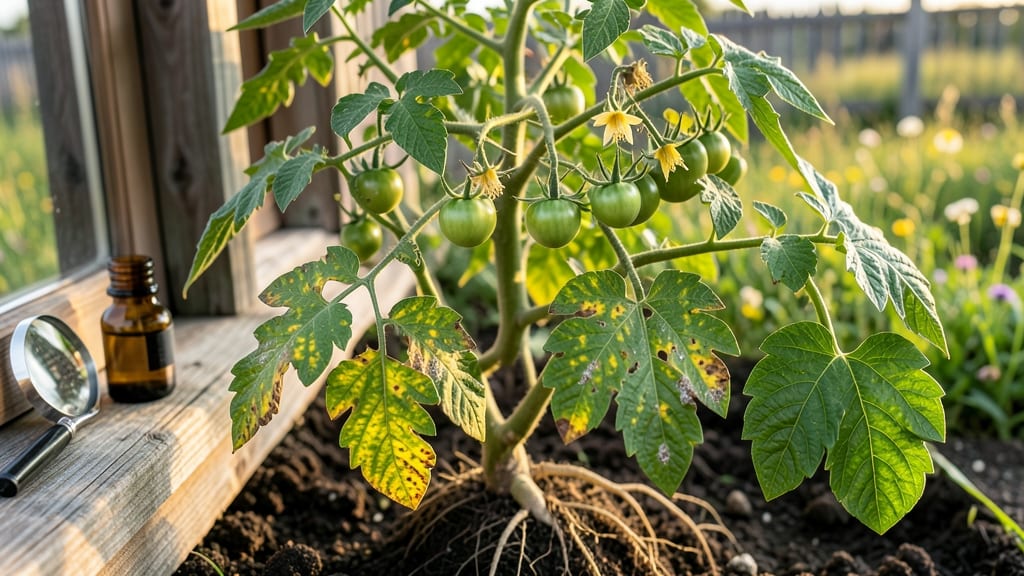
Your tomato leaves have yellow spots with dark edges? That’s early blight—and it spreads faster than you think. 🌱 I’ve seen healthy plants turn into sad, spotted messes in just two weeks, but I’ve also saved gardens by acting fast.
The key is catching it early and stopping it before it ruins your harvest.
This isn’t just about spraying something random—it’s about identifying the right problem. Early blight spots start at the edges and move inward, while bacterial spot looks like tiny water-soaked marks.
Poor drainage or crowded plants make it worse, but the good news? You can fix it with simple fixes like pruning, proper spacing, and a quick spray of copper fungicide.
Within a week of treating, you’ll see new growth pushing through clean. The spots stop spreading, and your plants bounce back stronger. No more wilting leaves or blighted fruit—just healthy, productive tomatoes. Here’s exactly how to do it before it’s too late.
Works for backyard gardens, containers, or even greenhouse setups. Let’s get those leaves looking green again—fast.
Root Causes Behind Yellow Spots
When your tomato plant’s leaves start showing yellow spots, it’s rarely a coincidence—it’s a cry for help from your plant. Understanding the why behind these spots is the first step to saving your harvest.
Below, we break down the most common culprits, backed by science, so you can diagnose the issue like a pro and take targeted action.
Fungal diseases are the #1 reason for yellow spots on tomato leaves, especially in warm, humid conditions. These pathogens thrive when moisture lingers on leaves, creating the perfect breeding ground. Here’s how to spot them:
- Early Blight (Alternaria solani): Yellow spots with concentric rings (like a bullseye) that turn brown and crispy. Often appear on older leaves first.
- Late Blight (Phytophthora infestans): Greasy, yellow-brown spots that spread rapidly—this one is aggressive and can destroy a plant in days if untreated.
- Septoria Leaf Spot (Septoria lycopersici): Tiny, pale yellow spots with dark centers, often surrounded by a halo. Common in overcrowded or poorly ventilated gardens.
Why it happens: Fungal spores float in the air or hitchhike on tools, soil, or infected plants. Once they land on a leaf, they germinate when conditions are right—high humidity (above 75%), warm temps (60–80°F), and wet foliage. Overhead watering turns leaves into fungal buffets.
Not all yellow spots are caused by invaders—sometimes, your plant is simply screaming for better care. Here’s what to watch for:
| Symptom | Likely Cause | Science Behind It |
|---|---|---|
| Uniform yellowing between veins (chlorosis) | Nitrogen deficiency | Nitrogen is key for chlorophyll production. Without enough, leaves can’t photosynthesize properly, leading to pale or yellow patches. Common in poor soil or overpruned plants. |
| Yellow spots with crispy edges | Calcium deficiency or blossom end rot stress | Calcium helps cell walls stay strong. A lack of it (often from uneven watering or compacted soil) causes cells to burst, leading to necrotic spots. Tomato plants are especially sensitive during fruit development. |
| Yellowing + wilting, even with moist soil | Root rot or overwatering | Too much water cuts off oxygen to roots, causing them to suffocate. The plant can’t absorb nutrients, leading to yellowing. Fungal root rot (like Pythium) thrives in soggy soil. |
Pro Tip: 🌡️ If your soil is too hot or cold, roots struggle to absorb nutrients—even with perfect fertilizer. Use mulch to regulate soil temp and improve moisture retention.
Pests don’t just eat leaves—they injure them, triggering stress responses that show up as yellow spots. Here’s how to tell if critters are the culprits:
- Spider Mites: Tiny yellow or white speckles on the underside of leaves, often with webbing. They pierce cells to feed, causing chlorosis.
- Aphids: Sticky, yellowing leaves with curling or distorted growth. Aphids suck sap, leaving behind toxic waste that burns leaf tissue.
- Flea Beetles: Shotgun-like holes in leaves, surrounded by yellow halos. Their feeding disrupts the plant’s vascular system.
- Hail or Wind Burns: Irregular yellow/brown patches with no pattern. Physical damage breaks cell walls, preventing nutrient flow.
Why it happens: When pests feed, they disrupt the plant’s vascular system, blocking water and nutrient transport. The plant compensates by sacrificing damaged cells (turning them yellow) to save the rest. Left unchecked, this weakens the plant’s immune system, making it more susceptible to fungal infections.
Sometimes, the problem isn’t a lack of care—it’s too much of something. Here’s how you might be poisoning your tomatoes without realizing it:
- Excessive Fertilizer: Yellowing leaves with brown edges (burnt tips) or white crust on soil. Too much salt or synthetic nitrogen disrupts osmotic balance, preventing roots from absorbing water.
- Heavy Metal Buildup: Yellow spots with interveinal browning, often in container gardens with old soil. Metals like copper or zinc can accumulate over time, causing toxicity.
- Herbicide Drift: Irregular yellow patches on one side of leaves. Non-selective herbicides (like glyphosate) can bleach foliage if sprayed nearby.
Why it happens: Plants need a delicate balance of nutrients. Too much of one element (like nitrogen or salt) displaces others, leading to deficiencies that manifest as yellowing. Roots can also burn from high salt concentrations, reducing their ability to uptake water.
Quick Fix: 💡 If you suspect chemical damage, flush the soil with water (for containers) or test soil pH—aim for 6.0–6.8 for tomatoes. Avoid synthetic fertilizers until the plant recovers.
Quick Fixes for Yellow Spots on Tomato Leaves
Yellow spots on tomato leaves don’t have to mean the end of your harvest—with the right approach, you can revive your plants and prevent further damage. Below are practical, step-by-step solutions tailored to the most common causes of yellowing leaves, from fungal infections to environmental stress.
Follow these fixes to restore your tomatoes to full, healthy glory!
If your tomato leaves are showing yellow or brown spots with black edges (classic signs of early blight or septoria leaf spot), remove infected foliage immediately to stop the spread. Here’s how:
🔥 Step 1: Prune the Problem Areas
- 👨🍳 Use sterilized pruners (wipe with rubbing alcohol between cuts) to snip off yellowed or spotted leaves.
- 🗑️ Bag and discard infected leaves in the trash—do not compost them, as spores can survive.
- ⏰ Do this in the morning so leaves have time to dry before evening moisture sets in.
🌡️ Step 2: Boost Airflow & Reduce Humidity
Fungal spores thrive in damp, crowded conditions. Improve plant health with these tweaks:
- 🌬️ Space plants 18–24 inches apart (or stake taller varieties for better airflow).
- 💡 Use a fan on low setting near plants for 1–2 hours daily to dry leaves faster.
- 🌧️ Water at the base (not overhead) and avoid late-day watering to prevent prolonged leaf wetness.
💡 Step 3: Apply Fungicidal Sprays (Organic or Chemical)
Prevent further infection with copper-based sprays or baking soda solutions:
- 🍳 Homemade baking soda spray:
- Mix 1 tsp baking soda + 1 tbsp vegetable oil + 1 tsp dish soap in 1 quart of water.
- Spray undersides of leaves (where spores hide) every 7–10 days.
- 🛡️ Commercial options:
- Copper fungicide (e.g., Bonide Copper Fungicide) – follow label instructions.
- Neem oil (1 tsp neem oil + 1 tsp soap per quart of water) – reapply every 5–7 days.
🌱 Step 4: Strengthen Plant Resistance
- 💪 Fertilize lightly with a balanced, low-nitrogen fertilizer (10-10-10 or 5-5-5) to support recovery.
- 🍅 Avoid overwatering—tomatoes in soggy soil are more susceptible to disease.
- 🌞 Ensure 6–8 hours of sunlight daily to help leaves dry quickly.
If yellow spots appear soft, mushy, or accompanied by wilting, your watering routine may be the culprit.
💧 Check Soil Moisture First
- 👆 Stick your finger 1–2 inches into the soil—if it’s damp but not soggy, you’re overwatering.
- 🌱 If dry, water deeply once a week (or more in extreme heat) until water runs out the drainage holes.
🔄 Adjust Your Watering Schedule
- 🌧️ Water in the morning (before 10 AM) to allow leaves to dry.
- 🚫 Avoid shallow, frequent watering—instead, soak the root zone (not the leaves).
- 🏡 Use drip irrigation or soaker hoses to deliver water directly to roots.
✨ Pro Tip: Improve Drainage
- 🏗️ If potted, ensure containers have drainage holes and use well-draining soil (mix in perlite or vermiculite).
- 🌿 In garden beds, amend heavy clay soil with compost or sand to prevent waterlogging.
Yellowing leaves with crispy or bleached edges (especially on exposed upper leaves) signal sun scorch or heat stress.
🌿 Provide Temporary Shade
- 🛡️ Use shade cloth (30–50% coverage) if temps exceed 90°F (32°C).
- 🏠 Move potted tomatoes to a shadier spot for a few hours during peak sun.
- 🍅 Mulch heavily (2–3 inches of straw or grass clippings) to keep roots cool.
💧 Increase Water Frequency (But Not Quantity)
- 🚰 Water more frequently in extreme heat—light, daily watering helps prevent stress.
- 🌱 Use mulch to retain moisture and protect roots from heat.
🌱 Choose Heat-Tolerant Varieties
If this happens yearly, switch to heat-resistant tomatoes like:
- 🍅 ‘Heatmaster’
- 🍅 ‘Solar Fire’
- 🍅 ‘Arkansas Traveler’
If you spot tiny holes, webbing, or sap-covered leaves, pests like aphids, spider mites, or whiteflies may be to blame.
🕷️ Identify the Culprit
| Pest | Signs | Fix |
|---|---|---|
| Aphids | Sticky residue, curled leaves | Spray with soapy water or neem oil |
| Spider Mites | Fine webbing, speckled leaves | Blast off with water spray, then apply neem oil |
| Whiteflies | Tiny white bugs, yellowing leaves | Use yellow sticky traps or insecticidal soap |
💡 Prevention Tips
- 🌿 Inspect new plants before bringing them home.
- 🍃 Introduce beneficial insects like ladybugs or lacewings.
- 🌱 Rotate crops yearly to disrupt pest life cycles.
Once your tomatoes recover, lock in their health with these proactive strategies:
✅ 🌱 Plant disease-resistant varieties (look for labels like "VFN" for virus, fungus, and nematode resistance). ✅ 🍅 Rotate crops—don’t plant tomatoes in the same spot yearly (wait 3 years before replanting). ✅ 🌿 Practice crop rotation with non-nightshade plants (e.g., beans, peas, or lettuce). ✅ 🧹 Clean up debris at the end of the season to remove overwintering spores. ✅ 💧 Test your soil—pH 6.0–6.8 is ideal for tomatoes.
Adjust with lime (to raise pH) or sulfur (to lower pH) if needed.
🎯 Final Reminder: Act fast when you see yellow spots—the sooner you treat the problem, the better your tomatoes’ chances of a bountiful, blight-free harvest! 🍅💚
Frequently asked questions
Why do my tomato leaves have yellow spots with dark edges?
Those are likely signs of early blight, a common fungal disease. The yellow spots with dark concentric rings start on older leaves and spread inward. This happens when spores thrive in humid conditions (above 75%) and wet foliage. Prune infected leaves immediately and improve airflow to stop its spread.
Can I save my tomato plant if half the leaves have yellow spots?
Yes, but act fast! Remove all spotted leaves (don't compost them) and treat with a copper fungicide or baking soda spray. Improve spacing between plants and water at the base only. With proper care, new growth will push through in 1-2 weeks. The key is stopping the spread before it reaches the fruit.
What's the difference between fungal spots and nutrient deficiencies?
Fungal spots (like early blight) have dark edges and concentric rings, while nutrient deficiencies cause uniform yellowing between veins. For example, nitrogen deficiency turns leaves pale green/yellow all over, while calcium deficiency creates crispy yellow edges. Test your soil if you see no distinct spots.
Will yellow spots on tomato leaves affect my fruit?
Yes, if untreated, fungal diseases like early blight can spread to fruit, causing rotten spots and reducing quality. However, if you catch it early and prune infected leaves, your tomatoes can still produce healthy fruit. Focus on preventing leaf-to-leaf spread to protect your harvest.
How often should I spray my tomatoes to prevent yellow spots?
For prevention, spray with a copper fungicide or neem oil every 7-10 days during humid weather. If you're using a baking soda solution, apply it every 5-7 days when conditions are wet. Always spray in the early morning so leaves dry quickly. Consistency is key!