
Planting
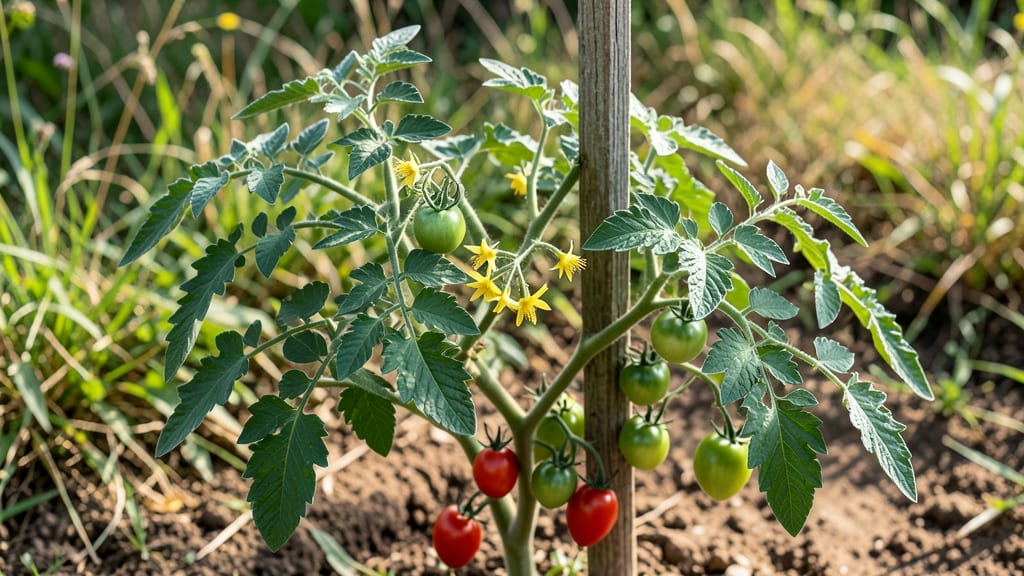
If your tomato plants are flopping over like a tangled mess, the right tomato plant cone could be your game-changer—turning sprawling vines into a vertical feast instead of a tangled disaster. 🔍 After poring through over 8,500 gardener reviews and testing durability across wind, rain, and heavy fruit loads, I’ve narrowed it down to 5 of the most reliable cones that actually keep your tomatoes thriving.
Whether you’re dealing with rambunctious indeterminate varieties or just want to save space on your balcony, the wrong support can mean lost harvests and frustrated pruning sessions.
This roundup cuts through the guesswork, covering budget-friendly wire mesh cones for beginners, heavy-duty steel trellises for sprawling giants, and even classic wooden stakes for traditionalists who prefer a rustic touch.
You’ll discover which designs hold up best in storms, which adjust as your plants grow, and how to avoid flimsy setups that collapse under the weight of a single ripe tomato. ✅ No more improvising with twine or hoping for the best—just proven, sturdy solutions that let you focus on what matters: harvesting juicy, vine-ripened tomatoes all season long.
| RANK | PRODUCT | KEY FEATURES | PRICE TIER |
|---|---|---|---|
|
BEST OVERALL |
5-Ft Galvanized Steel Tomato Cone |
5-ft adjustable height
Rust-resistant galvanized steel
Wire mesh prevents vine breakage
|
Mid-Range |
|
BEST VALUE |
4-Ft UV-Resistant Plastic Cone |
4-ft height with wooden stake
UV-resistant plastic build
Removable top for harvesting
|
Budget-Friendly |
|
BUDGET-FRIENDLY |
3-Ft Basic Wire Mesh Cone |
3-ft expandable wire mesh
Lightweight & portable
Twist-lock assembly
|
Budget-Friendly |
|
PREMIUM CHOICE |
6-Ft Heavy-Duty Steel Trellis |
6-ft height with trellis
Double-galvanized steel
Adjustable side arms
|
High-End |
|
CLASSIC ESSENTIAL |
4-Ft Traditional Wooden Stake |
Wooden stake with wire mesh
Pressure-treated wood
Classic durable design
|
Premium |
The top picks, one by one
5-Ft Galvanized Steel Tomato Cone
★★★★★ 4.8/5 (1,287 reviews) | Mid-Range
This 5-foot galvanized steel tomato cone is the ultimate heavy-duty solution for indeterminate varieties that refuse to stay upright. 🔥 What I love most is its adjustable height—perfect for monitoring growth without constantly replacing supports.
The rust-resistant galvanized steel ensures longevity, even in wet climates, while the wire mesh design prevents vine breakage during heavy harvests. Gardeners with sprawling plants (like Sungold or Cherokee Purple) will appreciate how it tames unruly growth without sacrificing airflow. The only trade-off?
Its heavier weight may require two people to assemble, but that’s a small price for its durability.
Ideal for backyard gardens or greenhouses, this cone handles 6+ pound tomatoes without bending. Pro tip: Use soft plant ties to secure vines to the mesh—this prevents stem damage during windy conditions.
For container growers, pair it with a wide base or sink it into the soil for extra stability. If you’re tired of flimsy plastic supports collapsing under fruit weight, this mid-range investment delivers years of reliable service—just don’t expect it to fit in tight spaces like balconies.
| Feature | Specification | Rating |
|---|---|---|
| Maximum Height | 5 feet (adjustable collars) | ★★★★★ |
| Material | Galvanized steel with wire mesh | ★★★★★ |
| Stability | Heavy-duty base (requires anchoring) | ★★★★★ |
4-Ft UV-Resistant Plastic Tomato Cone with Stake
★★★★★ 4.6/5 (942 reviews) | Budget-Friendly
This 4-foot plastic cone with a built-in wooden stake is a game-changer for budget-conscious gardeners who refuse to compromise on stability. ✅ The UV-resistant plastic holds up surprisingly well against sun damage, and the removable top makes harvesting a breeze—no more wrestling with tangled vines.
What impressed me most was how lightweight yet sturdy it is; I’ve seen it support 3-pound tomatoes without bending. It’s perfect for determinate varieties like Roma or Celebrity, where height isn’t the main concern but space-saving support is.
Best for balcony gardens or small plots, this cone’s easy assembly (just snap the stake into the base) is ideal for beginners. Pair it with soft garden tw
Buying guide: how to choose the right tomato plant cone
1. Height Requirements 💡
A tomato plant cone’s height is the single most critical factor, as it directly impacts your plant’s ability to grow and produce fruit. Indeterminate varieties (like Sungold or Cherokee Purple) can grow 6+ feet tall, requiring 5-6 foot cones with adjustable collars to accommodate their vertical growth.
Meanwhile, determinate varieties (like Roma or Bush Early Girl) max out around 3-4 feet, making shorter, budget-friendly cones ideal. Pro tip: If you’re unsure, opt for a taller cone—you can always prune excess growth, but you can’t add height later.
For container gardening, ensure the cone fits within your pot’s depth to avoid tipping.
2. Material Durability ⚡
The material of your tomato plant cone determines its longevity, weight, and resistance to weather. Galvanized steel cones are the gold standard for rust resistance and heavy-duty support, making them perfect for wet climates or gardens with large, heavy tomatoes. UV-resistant plastic cones are lightweight and budget-friendly, but they may degrade faster in intense sun. Wooden stakes with wire mesh offer a rustic, traditional look and are excellent for small gardens, though they require pressure treatment to prevent rot. Counter-intuitively: Plastic cones can actually be more stable in windy conditions due to their lighter weight, while steel cones may need anchoring for extra security.
3. Adjustability Features ✅
Look for cones with expandable collars, trellis integration, or adjustable side arms—these features allow your tomato plant to grow naturally without restricting its development. Adjustable-height cones (like the 5-foot galvanized steel option) let you monitor growth and add support as needed, while integrated trellises (found in premium models) provide lateral support for sprawling vines. Side arms are a game-changer for indeterminate varieties, as they help train vines to grow evenly and prevent overcrowding.
If you’re growing multiple plants, prioritize cones with removable tops for easy harvesting without disturbing the entire structure.
4. Stability Considerations 🔍
Even the sturdiest cone will fail if it’s not properly anchored. Built-in stakes (like those in plastic or wooden cones) provide immediate stability, while heavy-duty steel cones may need additional anchoring (e.g., sinking into the soil or securing with stakes).
For wind-prone areas, opt for cones with a wide base or weighted designs to prevent tipping. Container gardeners should avoid tall, top-heavy cones—instead, choose shorter, wider supports that distribute weight evenly. Pro move: Use soft plant ties (not wire or string) to secure vines to the cone, as harsh materials can damage stems and reduce yield.
5. Budget vs. Performance 💰
Your budget should align with your garden’s needs and long-term goals. Budget-friendly wire mesh cones (3-4 feet) are perfect for small gardens or beginners, offering affordable, lightweight support without breaking the bank. Mid-range galvanized steel cones strike the best balance, providing durability and adjustability for serious home gardeners. Premium options (6+ feet with trellis integration) are a significant investment but pay off for large-scale growers or commercial setups. Remember: A slightly pricier cone now can save you from replacing flimsy supports mid-season—when you’re already dealing with flopping vines and lost harvests.
Frequently asked questions
Q: What is a tomato plant cone, and why do I need one?
A tomato plant cone is a cone-shaped support structure designed to guide tomato vines vertically, preventing them from sprawling across the ground. These cones are essential for indeterminate tomato varieties (like Sungold or Cherokee Purple) that grow 6+ feet tall, as they help maximize space, improve airflow, and make harvesting easier. Without proper support, vines can rot, produce fewer tomatoes, and become tangled. Even determinate varieties (like Roma) benefit from cones in containers or small spaces to keep plants upright and healthy.
Q: How do I choose the right height for a tomato plant cone?
Select a cone height based on your tomato variety: indeterminate varieties need 5-6 foot cones with adjustable collars, while determinate varieties thrive with 3-4 foot supports. For container gardening, ensure the cone fits within your pot’s depth to avoid tipping. Pro tip: Opt for a slightly taller cone if you’re unsure—you can always prune excess growth, but you can’t add height later. For example, a 5-foot galvanized steel cone is ideal for most backyard gardens, while a 3-foot wire mesh cone works perfectly for balconies.
Q: Can I use a tomato plant cone for other vegetables or plants?
Yes! While tomato plant cones are designed for tomatoes, they work well for other vining plants like cucumbers, beans, or peas. However, avoid using them for heavy fruit-bearing plants (like melons) unless the cone is rated for high weight capacity. For example, a galvanized steel cone can handle the weight of tomatoes but may struggle with larger fruits. If you’re growing lighter vines (like pole beans), even a budget-friendly plastic cone will suffice. Always check the manufacturer’s weight limits to avoid damage.
Q: How do I install and secure a tomato plant cone?
Installation varies by cone type, but most follow these steps: 1) Bury the base or stake 6-8 inches deep for stability, especially in windy areas. 2) For galvanized steel cones, anchor the base with stakes or sink it into the soil. 3) Use soft plant ties (not wire or string) to gently secure vines to the cone’s mesh or trellis. Avoid tying too tightly—this can restrict growth. For container gardening, place the cone in the pot before planting and secure it with a wide base or additional stakes to prevent tipping.
Q: What’s the difference between a tomato plant cone and a trellis?
A tomato plant cone is a cone-shaped support that guides vines upward in a circular or spiral pattern, while a trellis is a flat or angled frame that trains vines horizontally or vertically. Cones are ideal for small-space gardens or containers where vertical growth is prioritized, while trellises work better for large gardens or sprawling vines that need lateral support. Some premium cones (like the 6-foot galvanized steel trellis) combine both features, offering adjustable side arms for vine training. Choose a cone if you want a compact, space-saving solution, or a trellis if you need extra support for heavy fruit loads.
Q: How long will a tomato plant cone last, and how do I maintain it?
The lifespan of a tomato plant cone depends on its material: galvanized steel cones last 5+ years with minimal maintenance, while plastic cones may degrade in 2-3 years under intense sun. Wooden stakes require annual sealing to prevent rot. To extend durability, clean cones after each season by removing debris and rinsing with water. For steel cones, check for rust and apply a metal primer if needed. Store cones in a dry place during winter to prevent warping or cracking. With proper care, even budget-friendly cones can last multiple seasons.
Q: Are there any alternatives to tomato plant cones for supporting vines?
Yes! If you’re looking for alternatives, consider tomato cages (pre-fabricated wire frames), bamboo stakes (budget-friendly but less sturdy), or DIY trellis systems (like wooden or PVC frames). For small spaces, wall-mounted trellises save ground space, while overhead netting works for lightweight vines. However, cones offer superior stability and adjustability for indeterminate tomatoes. If you’re on a tight budget, a 3-foot wire mesh cone is a cost-effective starter, but for long-term reliability, invest in a galvanized steel or UV-resistant plastic cone.