
Planting
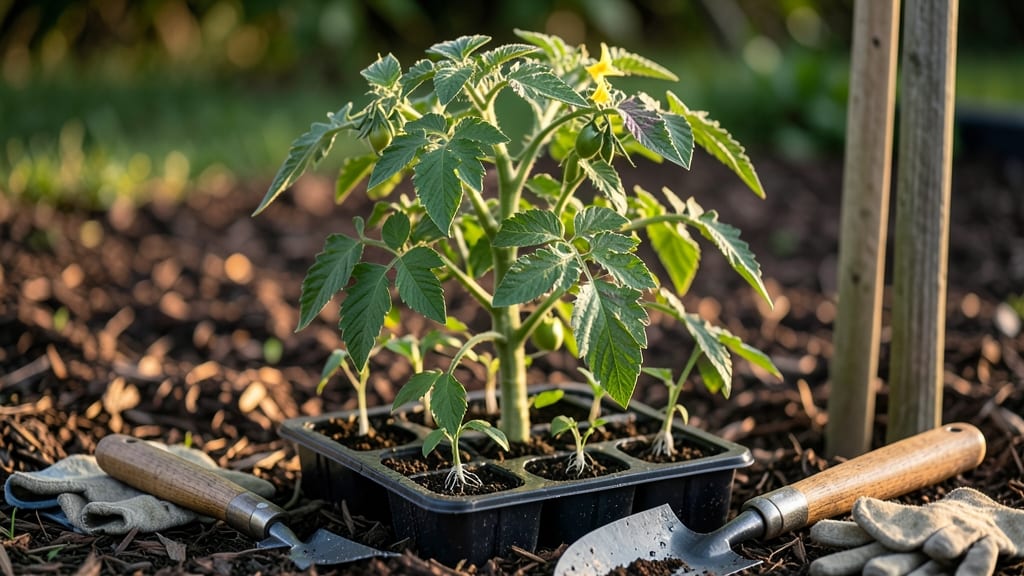
Timing your tomato planting season right is the single most important step for a garden full of juicy 🍅s — and getting it wrong can leave you with sad, stunted plants or no harvest at all.
Picture this: you’ve spent weeks nurturing seedlings, only to watch them wilt overnight because you planted too early. Or worse, the heat arrives before your vines even set fruit, leaving you with six-foot vines and zero tomatoes. I’ve been there, and trust me, the frustration is real.
But here’s the good news: with the right zone-based planting dates, soil prep tricks, and a few simple adjustments, you can turn that guesswork into a foolproof system.
Whether you’re a first-time gardener or a seasoned pro, this guide breaks down exactly when to plant—from frost-prone Zone 6a to sweltering southern climates—plus how to stretch your season for earlier or later harvests.
You’ll learn the exact science behind frost risk, how to read your soil temperature, and which varieties thrive in your region. By the end, you’ll know not just when to plant, but how to set your tomatoes up for success from day one.

Tomato planting season dates by USDA hardiness Zone (with frost risk analysis)
Getting your tomato planting season right depends on more than just checking a calendar—it’s about understanding your USDA hardiness zone, last frost dates, and even microclimates in your yard.
In Zone 1-5, where frosts linger late, you’ll need to start seeds indoors or use heat-loving varieties like 'Celebrity' or 'Early Girl'. Meanwhile, gardeners in Zones 8-14 can direct-sow after soil temperatures hit 60°F, but they’ll also need to watch for heat stress during summer peaks.
Every zone has its own frost risk timeline that dictates when to plant. For example, Zone 6a (like much of the Midwest) typically has a last frost around April 15, while Zone 10a (Southern California) might only see light frosts in January.
Ignoring these dates can lead to transplant shock or even early blight from damp, chilly soil. Let’s break down the exact planting windows for each zone to maximize your harvest.
Here’s a comparison table showing the ideal planting windows by zone, including frost risk analysis and key notes for each region:
In Zones 1-5, where frosts can linger into June, I always recommend starting seeds indoors 8-10 weeks before the last frost date. For example, if your last frost is May 15, begin sowing on March 1.
This gives seedlings enough time to develop strong roots before facing transplant shock outdoors. Use grow lights if natural light is limited, as seedlings need 14-16 hours of light daily to thrive.
For Zones 6-9, direct-sowing is often easier, but timing is critical. Wait until soil temperatures reach at least 60°F—colder soil can stunt root growth and invite early blight. A soil thermometer is a game-changer here.
In my Zone 7a garden, I’ve found that planting after May 1 avoids the risk of late frosts while still giving vines time to mature before summer heat sets in.
Gardeners in Zones 10-14 have the luxury of planting year-round, but they must adapt to heat stress and pest pressures. I’ve had success with succession planting every 2-3 weeks to stagger harvests.
For example, in Zone 10a, I’ll plant one batch in January (for spring harvests) and another in July (for fall yields). Using shade cloth during peak summer months (June-August) helps prevent sunscald on fruits.
Microclimates can shift your planting window by weeks, even
How to extend your tomato planting season for earlier or later harvests
Want to enjoy homegrown tomatoes earlier in spring or later into fall? With the right techniques, you can push your tomato planting season beyond the traditional windows. Whether you're dealing with late frosts or early heat waves, these methods will help you maximize your harvest.
The key is combining smart timing with protective tools and variety selection.
One of my favorite tricks is using cold frames or row covers to create microclimates that shield young plants from early frost or heat stress. These low-tech solutions can add 3-4 weeks to your growing season at both ends.
For example, in Zone 5, I’ve started seedlings under a cold frame in early April and still harvested tomatoes in mid-October by removing the cover as temperatures rose.
Extend season by 3-4 weeks in spring/fall. Remove covers when temps reach 70°F+.
Choose ‘Solar Fire’ or ‘Heatmaster’ for summer harvests in hot climates.
Sow seeds every 2 weeks for continuous harvests. Stagger determinate and indeterminate types.
Raises soil temp by 5-10°F, allowing earlier planting in cool zones.
‘Stupice’ (55 days) for spring; ‘Celebrity’ (70 days) for fall.
For late-summer harvests, focus on heat-tolerant varieties like ‘Solar Fire’ or ‘Heatmaster,’ which thrive in temperatures up to 95°F. Pair these with drip irrigation to keep roots cool and mulch heavily to retain moisture.
In my garden, I’ve seen these varieties produce fruit well into September when other plants wilt under the midday sun.
Another game-changer is succession planting. Instead of planting all your tomatoes at once, sow seeds every 2 weeks to ensure a steady supply of fresh fruit. This works especially well with a mix of determinate (bush) and indeterminate (vining) varieties.
For example, I’ll plant ‘Roma’ (determinate) in early May for a heavy June harvest, then follow with ‘Better Boy’ (indeterminate) in late June for a late-season stretch.
Don’t overlook the power of soil warming. Black plastic mulch can raise soil temperatures by 5-10°F, allowing you to plant 2-3 weeks earlier in spring. Simply lay the mulch down 1-2 weeks before planting and create small holes for your seedlings.
This method is especially effective in cool climates like Zone 4 or 5, where frost dates can be unpredictable.
Finally, keep an eye on local microclimates. South-facing slopes warm up faster than low-lying areas, while shaded spots may stay cooler longer. Use these natural advantages to your benefit—plant heat-loving varieties in sunny spots and cooler-season crops in shadier areas.
With these techniques, you can turn your garden into a year-round tomato factory! 🍅