
How To
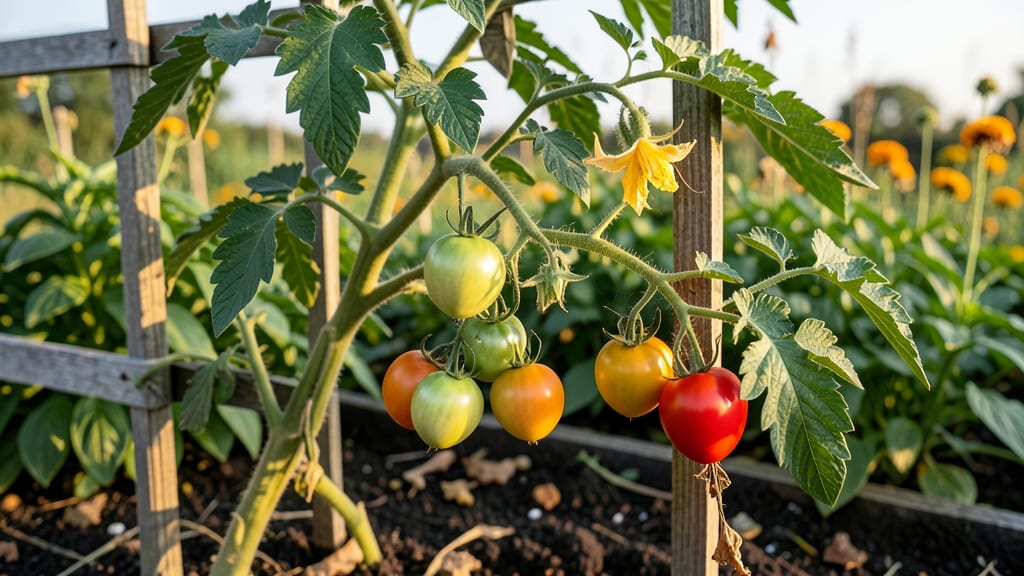
Understanding the tomato ripening stages is the key to unlocking the full, sweet flavor your garden-grown 🍅 deserves—because that green tomato you picked too soon won’t taste like the one that ripens on the vine.
Did you know your tomatoes change flavor dramatically as they ripen—from bland to explosive sweetness? Understanding these stages ensures you harvest at peak perfection, not a moment too soon or late.
From the first blush of pink to the deep, glossy red, each stage brings a different texture and taste. Miss the window, and you’re left with either hard, underripe fruit or mealy, overripe disappointment.
In this guide, I’ll walk you through every visual cue, from color shifts to stem changes, and share the best practices to keep your tomatoes ripening like clockwork—no guesswork required.
Tomato ripening stages by color: when to pick for best flavor
Harvesting tomatoes at the perfect moment transforms a meh bite into a flavor explosion. Each color stage signals a unique flavor profile, from grassy and firm to sweet and juicy. Knowing these ripening cues ensures you never miss peak season—whether you're growing heirloom varieties or hybrid favorites.
Let’s break down the stages by color, so you can pick at the ideal moment for maximum sweetness.
Tomatoes ripen through six distinct stages, each marked by color changes, texture shifts, and flavor development. Skipping a stage can mean underripe tomatoes with poor taste, while waiting too long risks overripe fruit.
Below, I’ll walk you through each phase, including how to identify them and when to harvest for the best results.
📌 Key Tip: Always twist tomatoes gently at the stem to avoid damaging the plant. If the fruit resists, it’s not ready yet!
| Stage | Color | Flavor Profile | Harvest Window | Texture |
|---|---|---|---|---|
| Green | 🟢 Bright green | Grassy, bland, starchy | Not ready | Firm, hard |
| Breaker | 🟢 Green with pink/red blush | Mild, slightly sweet | Early harvest (if needed) | Firm but yielding |
| Turning | 🟡 Yellow/orange blush | Sweetening, tangy | Wait 1-3 days | Softening slightly |
| Pink | 🟡 Deep pink | Balanced sweet-tart | Harvest soon | Giving under pressure |
| Red | 🔴 Deep red | Peak sweetness, rich | Harvest now | Soft, fragrant |
| Overripe | 🔴 Dark red, wrinkled | Mealy, fermented | Too late | Mushy, splitting |
The green stage is where most tomatoes start, especially in cooler climates. These fruits are hard and starchy, with a flavor that’s often unpleasant if eaten raw. Some varieties, like green zebra tomatoes, are intentionally harvested green for culinary uses, but most gardeners wait for color changes.
If you’re growing cherry tomatoes, they may ripen faster, so keep an eye on them!
When tomatoes reach the breaker stage, you’ll spot the first hints of color—a blush of pink or red on one side. This is your cue to start monitoring closely. The flavor begins to sweeten slightly, but it’s still not ideal for eating fresh.
If you’re facing an early frost, harvesting at this stage lets you ripen indoors later. Just place them in a paper bag with a banana to speed up the process!
The turning stage is where things get exciting. Tomatoes develop a yellow or orange blush, and the flavor starts to develop complexity.
How to speed up tomato ripening naturally (without chemicals)
If you're staring at a vine full of green tomatoes while frost looms, don't panic! With the right techniques, you can accelerate ripening naturally—no chemicals required. The key lies in understanding how tomatoes respond to ethylene gas, warmth, and gentle care.
I've helped my own heirloom tomatoes ripen weeks faster using these simple methods, and you can too.
First, focus on ethylene exposure, the plant hormone that triggers ripening. Tomatoes produce ethylene naturally, but a little extra encouragement can make all the difference.
Combine this with temperature control and strategic pruning, and you'll be harvesting sweet, red tomatoes in no time. Let's dive into the most effective, chemical-free strategies.
For ethylene exposure, I swear by the "banana in a bag" method. Simply place 3-4 green tomatoes and 1-2 ripe bananas in a paper bag. Seal it loosely (tomatoes need airflow!) and stash it in a warm, dark closet.
Check daily—ripe tomatoes will be ready in 5-7 days. Pro tip: Use a brown paper bag to block light, which can turn tomatoes yellow prematurely.
Never try to ripen tomatoes on the vine if frost is imminent. Cold temperatures halt ripening, and tomatoes won’t recover. Instead, harvest green but mature tomatoes (firm with no green shoulders) and use the methods above.
I’ve saved entire harvests this way—even cherry tomatoes respond well to ethylene and warmth!
Monitor your tomatoes closely. Overripe tomatoes (soft, wrinkled skin) won’t improve—they’ll just get mealy. Aim for firm but yielding fruit with deep color. Once ripe, store them at room temperature (not the fridge!) to preserve flavor. With these tricks, you’ll turn green tomatoes into sweet, ripe gems in record time.
🌱