
Vegetables
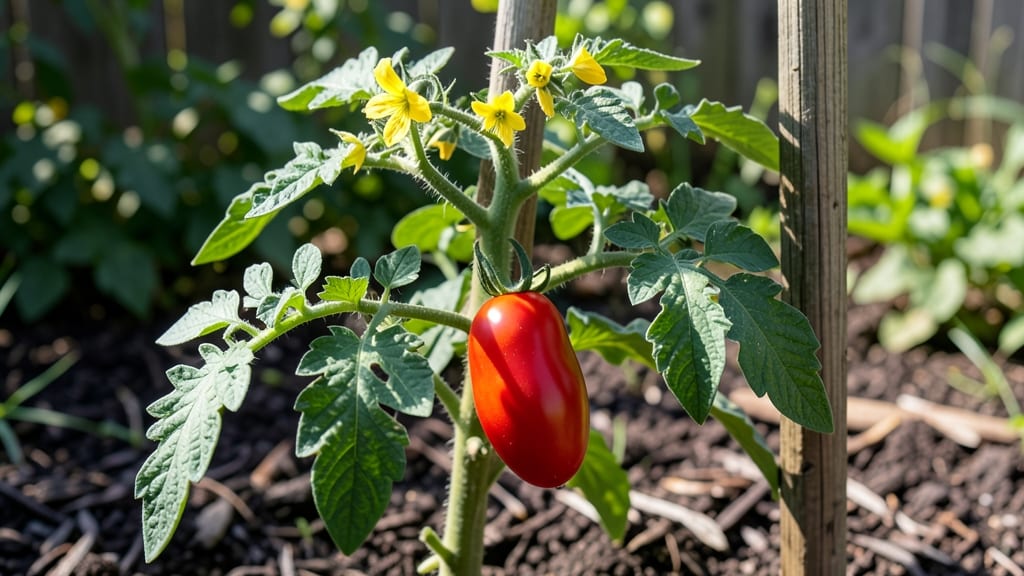
Growing Roma Plum tomatoes means juicy, meaty slices straight from your garden—no grocery store compromise. 🌱 I’ve grown these for years, and they’ve become my go-to for sauces, slicing, and canning because they deliver consistent, flavorful yields even in less-than-perfect conditions.
The secret isn’t fancy equipment—it’s sunlight, soil, and timing. Roma Plums thrive in 6-8 hours of direct sun, need well-draining soil with 2-3 inches of compost, and prefer warm soil temperatures (70°F+).
Start seeds indoors 6-8 weeks before last frost, or buy sturdy transplants and harden them off before planting. By mid-summer, you’ll be harvesting pound after pound of firm, flavorful tomatoes. The key is pruning suckers (those little shoots between stems) and staking or caging plants early to avoid sprawl.
Even in cooler climates, a row cover or greenhouse can extend the season. This variety’s disease-resistant and drought-tolerant once established, making it perfect for beginners and busy gardeners alike. Let’s get those plants producing!
📚 In This Guide
- What you need
- Instructions
- Tips and common mistakes
- Wrapping up and next steps
What you need
- ● Roma plum tomato seeds or seedlings: Choose Solanum lycopersicum ‘Roma’ or ‘Plum’ varieties (e.g., ‘Roma VF’ for disease resistance). Start with 5–10 seeds or 2–3 healthy seedlings per plant.
- ● High-quality potting mix: 10–20 lbs of well-draining, organic soil blend (e.g., Miracle-Gro Potting Mix or DIY: 60% peat moss, 30% perlite, 10% compost).
- ● Containers or garden space: Containers: 5-gallon fabric pots (1–2 per plant) or wooden raised beds (minimum 12" deep × 12" wide).
- ● Garden beds: Ensure 6–8 hours of sunlight and well-draining soil (pH 6.0–6.8).
- ● Fertilizer: Balanced starter fertilizer: 5–10–5 NPK ratio (e.g., Jack’s Classic Blossom Booster).
- ● Organic slow-release option: 2–3 lbs of worm castings or fish emulsion per plant.
- ● Hand trowel or transplanting tool (for seedlings).
- ● Watering can or hose with gentle spray nozzle (avoid wetting leaves).
- ● Pruning shears (for trimming suckers and dead leaves).
- ● Support structures: Cages or stakes: 6–8 ft tall (e.g., tomato cages or bamboo stakes).
- ● Twine or soft plant ties (to secure vines).
- ○ Thermometer & humidity monitor (optional but helpful for year-round growing).
- ● Grow lights or LED bulbs (if growing indoors: 12–16 hours/day, 2,000–3,000 lumens).
- ● Cold climates: Row covers or cold frames (for early/late seasons).
- ● Greenhouse or high tunnel (extend season by 4–6 weeks).
- ● Hot climates: Shade cloth (30–50%) to prevent sunscald.
- ● Drip irrigation system (to keep roots cool).
- ● Indoor growing: Grow tent or large windowsill (south-facing preferred).
- ● Humidifier (tomatoes thrive at 40–70% humidity).
- ● Mulch: 2–3 inches of straw or shredded leaves to retain moisture.
- ● Compost tea or liquid fertilizer (weekly feedings for faster growth).
- ● Pest control: Neem oil or pyrethrin spray (for aphids/spider mites).
- ● pH test kit (to monitor soil acidity).
Step-by-Step guide to growing Roma plum tomatoes successfully
Here’s how to cultivate these flavorful, meaty tomatoes year-round, no matter your climate.
🌱 Step 1: Select the Right Variety and Start Seeds Indoors
Roma plum tomatoes thrive with consistent warmth and support. Start seeds indoors 8-10 weeks before your last frost date—or 12 weeks if you’re in a cooler climate. Use a sterile seed-starting mix (never garden soil) in 2-3 inch deep containers to prevent damping-off. I like to plant 2-3 seeds per cell at a depth of ¼ inch, then cover lightly with additional mix.
Keep the soil consistently moist but not soggy—bottom-watering (placing trays in an inch of water) prevents overwatering while encouraging strong root development. Place containers in a warm spot (75-85°F) with a humidity dome or plastic wrap until germination, which typically occurs in 5-10 days. Once seedlings emerge, remove the dome immediately to prevent fungal growth.
☀️ Step 2: Provide Optimal Light and Harden Off Seedlings
Roma plums need 14-16 hours of light daily to prevent leggy growth. A south-facing window rarely provides enough intensity, so supplement with a full-spectrum LED grow light positioned 2-4 inches above the seedlings. Raise the light as they grow to maintain that distance—leggy seedlings (thin, pale stems with widely spaced leaves) signal insufficient light.
Two weeks before transplanting, begin hardening off seedlings by placing them outside in a sheltered, shaded spot for 1-2 hours the first day. Gradually increase outdoor time by 1 hour daily over 10-14 days, slowly introducing more sun and wind. This step is critical—skipping it causes transplant shock, where leaves burn and stems break under stress.
🪴 Step 3: Transplant Seedlings and Provide Support
Choose a location with full sun (6-8 hours daily) and well-draining soil. Roma plums grow best in rich, slightly acidic soil (pH 6.0-6.8) amended with compost or aged manure. Space seedlings 18-24 inches apart in rows 2-3 feet apart to allow airflow and reduce disease risk. Plant deeply—bury ⅔ of the stem to encourage stronger root systems.
Install cages or stakes at transplant time to support the plants as they grow. Roma plums can reach 4-5 feet tall, so sturdy support prevents sprawling and fruit rot. Water deeply at the base immediately after transplanting to settle the soil and reduce shock. Mulch with 2-3 inches of straw or shredded leaves to retain moisture and suppress weeds.
💧 Step 4: Water and Fertilize for Maximum Yield
Roma plums need consistent moisture—water deeply 1-2 times per week, ensuring the top 6 inches of soil stay evenly damp (not soggy). Water at the base of the plant in the morning to allow foliage to dry quickly, reducing fungal diseases like blight. Avoid wetting leaves, which can spread disease. You’ll know moisture is right when the soil feels slightly damp but not glistening.
Fertilize with a balanced, organic fertilizer (10-10-10 or 5-5-5) at planting, then again when flowers appear. Switch to a low-nitrogen, high-phosphorus fertilizer (5-10-10) to encourage fruiting. I also add compost tea every 4-6 weeks for micronutrients—Roma plums respond well to organic boosts, producing denser, sweeter fruit with fewer blemishes.
✂️ Step 5: Prune and Harvest for Continuous Production
Prune suckers (the small shoots that grow between the main stem and branches) weekly to direct energy to fruit production. Remove lower leaves that touch the soil to improve airflow and reduce disease. Pinch off the first flower cluster if seedlings are small—this encourages stronger stem growth before fruiting. Once plants are established, allow flowers to set fruit, but prune aggressively after the first harvest to prevent overloading branches.
Harvest Roma plums when they’re firm, deep red, and slightly soft to the touch—usually 70-80 days after transplanting. Pick fruit regularly to encourage more production. Store harvested tomatoes in a cool, dark place (55-60°F) for up to 2 weeks. For year-round harvests, succession-plant seeds every 2-3 weeks in warm climates or use row covers in cooler seasons to extend the growing window.
Tips & tricks for growing Roma plum tomatoes year-round
Took me years of trial and error to master these tricks—here’s how to avoid the most common pitfalls and maximize your harvest.
Lighting Strategy: The 14-16 hours of daily light in Step 2 is non-negotiable for Roma plums. If your grow lights flicker or dim, invest in a timer to maintain consistent light cycles. I’ve found that LED grow lights positioned 2-4 inches above seedlings (as mentioned) work best when paired with a timer set to 16 hours on/8 hours off. This prevents leggy growth and ensures strong, compact plants that produce more fruit. Leggy seedlings are a dead giveaway—if you see thin stems and widely spaced leaves, it’s time to adjust your light setup.
Harden Off Gradually: The 10-14 day hardening-off process in Step 2 is where most beginners fail. Start with just 1-2 hours of outdoor exposure on day one, then increase by 1 hour daily. I’ve seen gardeners rush this step and end up with wilted, stressed plants. A good rule of thumb: if leaves look slightly curled but green, you’re on the right track. If they’re crispy or yellowing, you’ve moved too fast. This gradual transition mimics natural conditions and prepares seedlings for the outdoors.
Soil pH Matters: Roma plums thrive in slightly acidic soil with a pH of 6.0-6.8, as noted in Step 3. Test your soil before planting—most garden centers sell affordable pH test kits. If your soil is too alkaline (above 7.0), mix in sulfur or peat moss to lower the pH. I’ve had the best success with Roma plums when the soil pH is spot-on, as it directly impacts nutrient uptake and fruit development. A small adjustment now saves headaches later.
Pruning for Productivity: The weekly pruning in Step 5 isn’t just about aesthetics—it’s about directing energy to fruit production. Focus on removing suckers (those shoots between the main stem and branches) and lower leaves that touch the soil. I’ve found that pruning aggressively after the first harvest prevents overloading branches, which can lead to smaller, less flavorful fruit. Think of it like training a vine: the more you guide it, the better it performs.
Pro Tips for Tomato Roma Plum
- Took me years of trial and error to master these tricks—here’s how to avoid the most common pitfalls and maximize your harvest.
- Lighting Strategy: The 14-16 hours of daily light in Step 2 is non-negotiable for Roma plums.
- Harden Off Gradually: The 10-14 day hardening-off process in Step 2 is where most beginners fail.
Frequently asked questions
Got questions about growing and using Roma plum tomatoes?
You're not alone! Here are answers to the most common ones to help you master this versatile variety.
Can Roma plum tomatoes grow in containers?
Roma plum tomatoes thrive in containers as long as the pot is at least 5 gallons and has drainage holes. Use a lightweight potting mix and provide sturdy support (like a cage or trellis) since they grow tall. Just ensure they get 6-8 hours of sunlight daily and consistent watering.
How long does it take for Roma plum tomatoes to ripen?
From transplanting seedlings, Roma plum tomatoes typically take 75-90 days to mature. Warmer climates may speed this up, while cooler areas could extend the timeline. Check for deep red color, firmness, and a slightly soft stem—these are your ripeness cues!
What’s the best way to store Roma plum tomatoes?
Store them at room temperature (not in the fridge!) in a cool, dry place like a pantry. Avoid stacking to prevent bruising. Once cut, refrigerate in an airtight container for up to 5 days. For long-term storage, try canning or freezing—perfect for sauces!
Why are my Roma plum tomatoes cracking?
Cracking usually happens due to inconsistent watering (too much or too little) or rapid growth after drought. Keep soil evenly moist, especially during fruit development. Mulching helps retain moisture and reduces stress. Harvest early if cracks appear—they’re still safe to eat!
Can I substitute Roma plum tomatoes in recipes?
Yes! Roma plums are ideal for sauces, soups, and stuffing due to their low moisture and meaty texture. Swap them 1:1 for other plum tomatoes, but avoid larger slicing varieties like beefsteak—they’re too watery. For sauces, their thick flesh minimizes blender cleanup!
Wrapping up and next steps
Growing Roma plum tomatoes year-round is totally doable—no matter your climate! 🌱 With the right techniques, you’ll enjoy a steady harvest of juicy, flavorful tomatoes for salads, sauces, or sandwiches.
Whether you’re a seasoned gardener or just starting, these secrets will help you master the art of extended tomato growing.
Ready to take the next step? Start small—plant a few seeds or seedlings this season and experiment with the methods that work best for you. Before you know it, you’ll be enjoying fresh Roma plum tomatoes all year!