
Vegetables
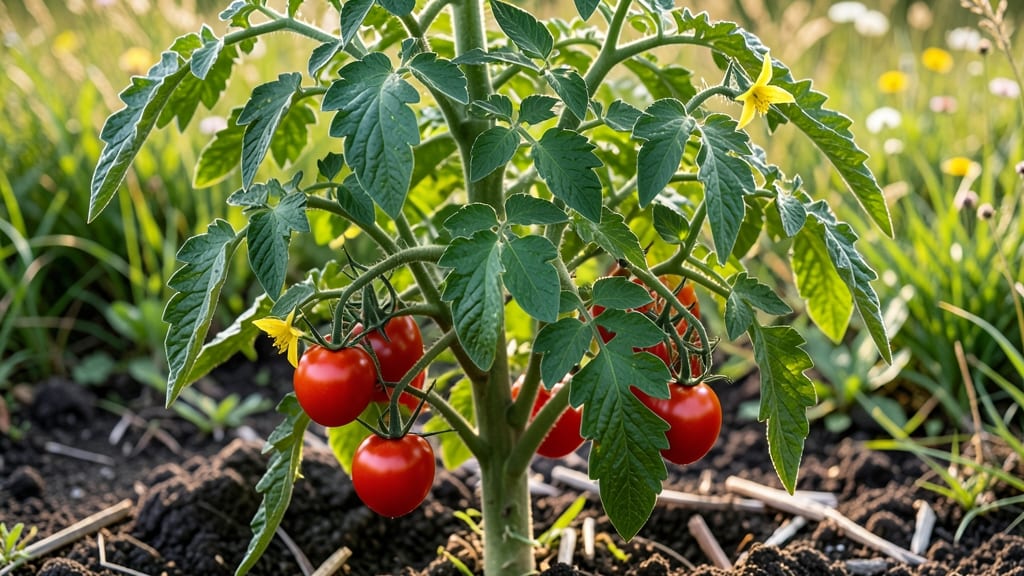
Growing Tomato Supersweet 100 means your garden could produce 12-foot vines with tomatoes so sweet they taste like candy. 🌱 Last summer, my first plant reached 8 feet by August, and the flavor? Unmatched—even my skeptical neighbor admitted it was the best tomato he'd ever eaten.
This heat-resistant variety thrives where others wilt, turning even the hottest summers into a harvest bonanza. The secret to its success lies in deep, well-draining soil and consistent moisture—never let it dry out completely.
I start mine indoors in early spring, transplanting after the last frost when soil temps hit 60°F. A sturdy trellis or cage is non-negotiable; those vines get heavy fast, and you don’t want them snapping under the weight of fruit.
By mid-summer, you’ll be picking pound after pound of tomatoes with a sugar content that rivals store-bought peaches. Prune aggressively to focus energy on fruit production, and fertilize weekly with a balanced feed—this plant eats nutrients like it’s going out of style. The payoff?
A flavor so intense it’ll make you question why you ever bought grocery-store tomatoes. This variety handles heat, humidity, and even drought better than most, but watch for early blight—it’s the one weakness. Crop rotation and proper spacing (3–4 feet apart) keep diseases at bay.
Whether you’re a first-timer or a seasoned grower, Supersweet 100 delivers results that’ll have your neighbors begging for cuttings.
📚 In This Guide
- What you need
- Instructions
- Tips and common mistakes
- Wrapping up and next steps
What you need
- ● Seeds: Tomato Supersweet 100 (1 pack of 10-20 seeds—enough for 2-3 plants per seedling)
- ● Growing Containers or Garden Bed: For containers: 5-gallon pots or larger (minimum 18" deep and wide per plant)
- ● For in-ground planting: Well-draining soil with full sun (6+ hours/day)
- ● Potting Mix: High-quality, sterile seed-starting mix (10-15 lbs for containers or garden beds)
- ● Fertilizer: Balanced fertilizer (10-10-10) for seedlings
- ● Tomato-specific fertilizer (5-10-10 or higher in phosphorus/potassium) for flowering/fruiting
- ● Support System: Cage (6-8 ft tall) or sturdy stakes (8+ ft)
- ● Twine or plant ties (for staking)
- ● Watering Supplies: Drip irrigation, watering can, or hose with a gentle nozzle
- ● Pruning Tools: Sharp pruning shears or scissors (sterilized with rubbing alcohol)
- ● Mulch (straw or black plastic) to retain moisture and suppress weeds
- ● Epsom salt (for magnesium boost during flowering)
- ● Shade cloth (30-50%) for seedlings if temps exceed 90°F
- ● Soil moisture meter (to avoid over/under-watering)
- ● Compost or worm castings (for nutrient-rich soil)
Step-by-Step instructions for growing Supersweet 100 tomatoes
This heat-resistant giant thrives with the right approach—here’s how to coax its full 12-foot potential.
🌱 Step 1: Start Seeds Indoors 8-10 Weeks Before Last Frost
Supersweet 100 seeds need warmth to germinate quickly, so I begin them indoors under grow lights or in a sunny window. Fill 2-3 inch deep biodegradable pots with sterile seed-starting mix (never garden soil—it’s too heavy and disease-prone). Plant 2 seeds per pot at a depth of ¼ inch, then cover lightly with more mix. The key here is moisture without sogginess—mist the surface until evenly damp but not dripping.
Place the pots in a seedling heat mat set to 75-85°F for consistent germination. Without heat, these seeds can take 14+ days to sprout instead of the 5-7 days I’ve seen with warmth. Once sprouts appear, remove the heat mat immediately—cooler 65-75°F days are better for strong seedling growth. You’ll know they’re ready when first true leaves (not the initial seed leaves) appear, usually within 2-3 weeks after germination.
☀️ Step 2: Harden Off and Transplant After All Frost Risk Passes
Supersweet 100 hates cold, so I wait until nighttime temperatures stay above 55°F before transplanting. Start hardening off 10-14 days before the move by placing seedlings outside in partial shade for 1-2 hours the first day. Gradually increase their outdoor time by 1 hour daily, ending with a full day in the sun by day 7. This slow transition prevents shock—you’ll see leggy, pale seedlings recover their deep green color and sturdy stems within a week of proper hardening.
When transplanting, bury the entire seedling up to its first true leaves—this encourages strong root development. Space plants 6-8 feet apart in rows 5-6 feet apart to accommodate their massive vines. Supersweet 100 needs full sun (8+ hours daily) and rich, well-draining soil amended with compost. If your soil is heavy clay, mix in sand or perlite to prevent root rot—a common issue with these thirsty giants.
💧 Step 3: Provide Consistent Water and Support Early
Water deeply 2-3 times per week, aiming for 1-2 inches of water per week—more in extreme heat. I use drip irrigation to keep foliage dry and prevent disease. Supersweet 100’s sprawling vines need strong trellising from day one. Install 10-12 foot tall stakes or a sturdy trellis at transplant time and gently weave the main stem through as it grows. Without support, the vines flop and fruit rots from ground contact.
Fertilize lightly at transplant with a balanced 10-10-10 formula, then switch to a low-nitrogen, high-phosphorus feed (like 5-10-10) when flowers appear. Too much nitrogen = leafy vines, fewer tomatoes. Watch for first flowers around 6-8 weeks after transplanting—pinch off early blooms if seedlings are still small to redirect energy to root and vine growth.
✂️ Step 4: Prune and Train for Maximum Yield
Pruning Supersweet 100 isn’t optional—it’s how you get those 12-foot vines producing consistently. Remove suckers (the shoots that form in the leaf axils) weekly to maintain a single main stem. Let only 2-3 lateral branches develop per plant, pruning back any that grow below the first flower cluster. This redirects energy upward and prevents overcrowding, which invites disease.
When fruit sets, thin clusters to 2-3 tomatoes per stem—smaller fruits mean fewer resources wasted and larger, sweeter tomatoes. You’ll know you’re on track when vines reach 8-10 feet by mid-summer, with heavy clusters of fruit hanging along the trellis. If vines slow growth in heat, reduce water slightly and provide afternoon shade for 1-2 weeks to help them recover.
🍅 Step 5: Harvest and Extend the Season
Supersweet 100 tomatoes ripen unevenly, so check plants every 2-3 days starting in late summer. Harvest when fruit turns deep red and yields slightly to gentle pressure. Cut stems with pruners to avoid damaging the vine. In warm climates, fruits may keep producing until first frost—but if temperatures drop below 50°F, cover plants with frost cloth to protect them.
To extend the season, I’ve had success pruning back vines in early fall and fertilizing lightly to encourage a second flush of flowers. Store ripe tomatoes at room temperature (never refrigerated—they lose flavor). With proper care, one Supersweet 100 plant can yield 50+ pounds of tomatoes, making it worth the effort for any serious gardener.
Tips & tricks for perfect Supersweet 100 tomato growth
Here’s what I’ve learned after growing these massive vines—details that make all the difference between a decent harvest and a jaw-dropping 50-pound yield.
Germination Temperature: The 75-85°F heat mat range is non-negotiable for Supersweet 100 seeds. I’ve seen germination times stretch to 14+ days without heat, but with consistent warmth, those first sprouts typically appear in just 5-7 days. Pro tip: Place a thermometer on the heat mat to monitor—fluctuations below 75°F slow everything down. Once sprouts emerge, remove the heat mat immediately to prevent leggy seedlings.
Harden Off Gradually: That 10-14 day hardening schedule in Step 2 is crucial for preventing transplant shock. I’ve had seedlings collapse after aggressive sun exposure—start with just 1-2 hours of shade on day one, then increase by 1 hour daily. Watch for color changes: healthy seedlings will develop a deeper green within a week. If they stay pale, they’re not ready for full sun yet.
Soil Preparation: Supersweet 100’s massive roots need soil that drains like a dream. If you’re working with heavy clay, mix in equal parts sand or perlite—this prevents the root rot that can kill these plants. I also add a handful of mycorrhizal fungi to the planting hole; it helps roots establish faster in the rich, well-draining mix. The goal is soil that feels like a moist sponge, not mud.
Pruning Strategy: Weekly sucker removal might seem tedious, but it’s how you get those 12-foot vines producing consistently. Focus on maintaining just 2-3 lateral branches per plant—anything below the first flower cluster should go. This redirection of energy is what gives you those massive, sweet tomatoes instead of a bush full of small ones. I prune in the morning so wounds have all day to heal before evening moisture sets in.
Pro Tips for Tomato Supersweet 100
- Here’s what I’ve learned after growing these massive vines—details that make all the difference between a decent harvest and a jaw-dropping 50-pound yield.
- Germination Temperature: The 75-85°F heat mat range is non-negotiable for Supersweet 100 seeds.
- Harden Off Gradually: That 10-14 day hardening schedule in Step 2 is crucial for preventing transplant shock.
Frequently asked questions
Got questions about growing Tomato Supersweet 100? You’re not alone!
Here are answers to the most common queries from gardeners eager to cultivate this heat-resistant, sky-high tomato variety.
Can Supersweet 100 handle extreme heat?
This variety is bred for heat tolerance, thriving in temperatures up to 95°F (35°C). However, provide afternoon shade during peak summer heat to prevent sunscald on fruits. Mulch heavily to retain moisture and protect roots.
How long does it take to harvest?
Expect 80–90 days from transplanting to harvest. Early blooms may drop in heat, but consistent care (watering, pruning) ensures a steady crop. Pro tip: Use a shade cloth during flowering to boost fruit set.
What’s the best support system for 12-foot vines?
A trellis or sturdy cage (6+ feet tall) is ideal, but for full 12-foot growth, opt for a tall bamboo stake or A-frame trellis secured with soft ties. Avoid wire—it can damage stems. Prune suckers weekly to direct energy upward.
Why are my tomatoes cracking?
Cracking often occurs from inconsistent watering or rapid growth. Water deeply 1–2 times weekly (morning is best) and avoid overhead sprinklers. For extra protection, apply a thin layer of mulch to stabilize soil moisture.
Are there alternatives if Supersweet 100 fails?
Try these heat-tolerant varieties:
- Supersweet 100’s cousin, ‘Supersweet 1000’ (even larger fruits!)
- ‘Heatmaster’ (disease-resistant, 70-day harvest)
- ‘Solar Fire’ (red, beefsteak-style, heat-loving)
Wrapping up and next steps
Growing the Tomato Supersweet 100 is a rewarding journey that combines patience, care, and a touch of gardening magic! With its heat-resistant traits and jaw-dropping 12-foot potential, this variety promises a bountiful harvest that’ll make your taste buds dance.
Whether you’re a seasoned gardener or a curious beginner, this heirloom gem is worth every effort—so roll up your sleeves and let your garden flourish! 🌱✨
Ready to take the next step? Start by marking your calendar for planting season, then gather your supplies and dive in! Share your progress with fellow gardeners or even gift some of your sweet, sun-kissed tomatoes—because nothing beats the joy of growing something extraordinary. Happy planting! 🌿🍅