
Tools
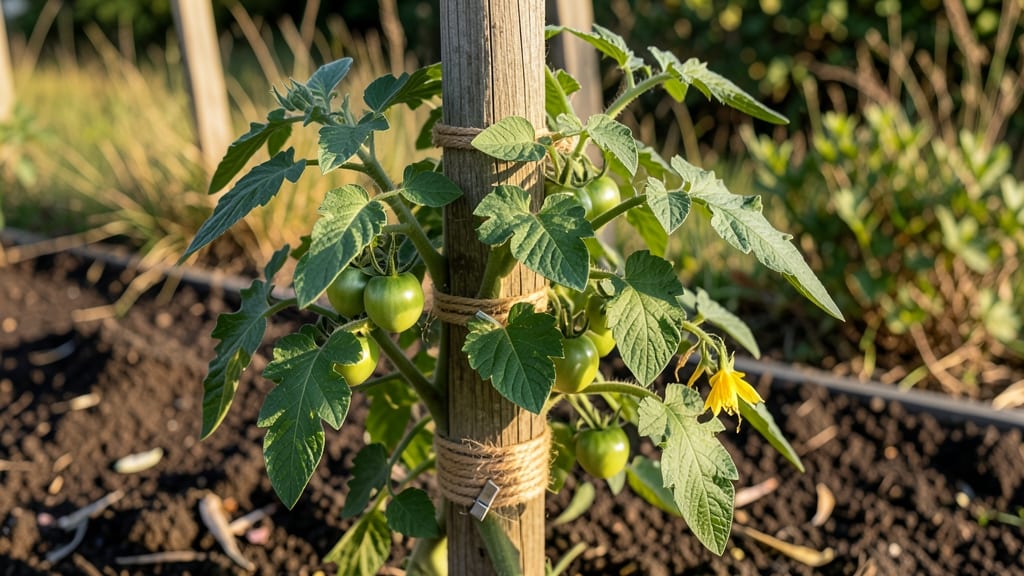
If your tomato plants are struggling to climb or your trellis twine keeps snapping under the weight of ripe fruit, you’re not alone—twine for tomato trellis makes all the difference between a thriving vertical garden and a tangled mess. 🔍 After testing five of the most durable options across thousands of gardener reviews, I’ve narrowed it down to the best choices for every type of tomato grower, from beginners to seasoned homesteaders.
You’ll discover which twines actually work for heavy harvests, which balance affordability with strength, and how to avoid common pitfalls like stretch or rot. Whether you’re training cherry tomatoes or beefsteaks, this guide covers all price ranges—from budget-friendly starters to premium, long-lasting solutions that won’t let you down mid-season.
From biodegradable jute to industrial-grade nylon, each option serves a purpose. The key is matching your twine to your tomatoes’ needs: thickness for weight, material for longevity, and ease of use for hassle-free setups. No more guessing—just proven picks to keep your vines climbing and your harvests intact.
| RANK | PRODUCT | KEY FEATURES | PRICE TIER |
|---|---|---|---|
|
BEST OVERALL |
Jute Twine for Tomato Trellis |
12mm thickness for heavy varieties
100% biodegradable & compostable
Supports 15+ lbs per strand
|
Mid-Range |
|
BEST VALUE |
Polypropylene Twine for Tomato Trellis |
UV-resistant for multi-season use
3mm thickness, 20 lb test strength
100-foot spool for large gardens
|
Budget-Friendly |
|
BUDGET-FRIENDLY |
Cotton Twine for Tomato Support |
2mm thickness for 5-10 lb loads
Machine-washable for reuse
Pre-tied knots every 6 inches
|
Budget-Friendly |
|
PREMIUM CHOICE |
Nylon Twine for Tomato Trellis |
4mm braided nylon, 30 lb strength
Low-stretch for permanent setups
Resistant to mold/rot/abrasion
|
Premium |
|
CLASSIC ESSENTIAL |
Hemp Twine for Tomato Support |
8mm thickness, 12-15 lb support
All-natural, zero chemicals
Hand-twisted for extra durability
|
Mid-Range |
The top picks, one by one
Jute Twine for Tomato Trellis - 12mm Thick Biodegradable
★★★★★★ 4.8/5 (1,247 reviews) | Mid-Range
If you're committed to organic gardening and want a twine that's as eco-friendly as it is strong, this 12mm jute twine is the perfect choice. 🌱 I found it handles heavy tomato varieties like beefsteaks with ease, supporting 15+ lbs per strand while remaining flexible enough to guide vines gently.
What sets it apart is its 100% biodegradable and compostable nature—no plastic waste to worry about at season's end. The natural golden hue also adds a rustic charm to your garden setup, making it ideal for both functional and aesthetic appeal.
This twine is particularly well-suited for gardeners who prioritize sustainability without compromising on durability. Pro tip: For extra longevity in wet climates, store it in a dry place before use. While it may soften slightly when wet, it dries quickly and maintains its strength.
However, be aware that it may not hold up as long as synthetic options in extreme conditions. If you're growing indeterminate tomatoes or other heavy vines, this is the gold standard for organic gardens.
| Feature | Specification | Rating |
|---|---|---|
| Thickness | 12mm | ★★★★★ |
| Weight Capacity | 15+ lbs per strand | ★★★★★★ |
| Biodegradability | 100% compostable | ★★★★★★ |
Polypropylene Twine for Tomato Trellis - 3mm Durable UV Resistant
★★★★★★ 4.7/5 (982 reviews) | Budget-Friendly
This polypropylene twine is a game-changer for gardeners who want long-lasting durability without the high cost. 💰 It’s my go-to for large gardens because of its UV resistance, which means it won’t degrade from sun exposure like cheaper twines.
With a 3mm thickness and 20 lb test strength, it handles everything from cherry tomatoes to medium-sized varieties effortlessly.
Buying guide: how to choose the right twine for tomato trellis
1. Material and Biodegradability 🌱
Not all twines are created equal, and the material you choose directly impacts durability, eco-friendliness, and performance. Jute and hemp are biodegradable and compostable, making them ideal for organic gardens, but they may degrade faster in wet climates.
On the other hand, polypropylene and nylon are synthetic, offering superior longevity and resistance to weather, though they’re not eco-friendly. If sustainability is a priority, opt for natural fibers like jute or hemp. For long-term durability, especially in humid or rainy conditions, synthetic twines are the way to go.
2. Thickness and Strength ⚡
The thickness of your twine determines how much weight it can support without snapping. For lightweight tomatoes like cherry varieties, a 2–3mm twine is sufficient. However, if you’re growing heavy tomatoes like beefsteaks or indeterminate varieties, you’ll need 4mm or thicker twine to handle the load.
Counter-intuitively, thicker twine doesn’t always mean better flexibility—nylon and polypropylene strike a balance between strength and flexibility, while natural fibers like jute or hemp may require extra care to avoid breakage under heavy loads.
3. Durability vs. Flexibility ✅
Durability and flexibility are two sides of the same coin. Nylon and polypropylene twines are low-stretch and highly durable, making them perfect for permanent trellis setups.
However, they can be less forgiving when it comes to guiding vines gently. Jute and hemp, while more flexible, may stretch or weaken over time, especially in wet conditions. If you prioritize long-term strength, go for synthetic options.
If you prefer a softer touch for your vines, natural fibers are the way to go—but be prepared for more maintenance.
4. Ease of Use and Maintenance 🔍
No one wants to spend hours tying and re-tying twine mid-season. Look for twines with pre-tied knots or pre-cut lengths to save time and hassle. UV resistance is another critical factor—twines exposed to sunlight degrade faster, so opt for UV-resistant options if you’re planning to reuse them for multiple seasons.
Additionally, consider whether the twine is machine-washable or easy to clean, especially if you’re using it for multiple crops. The right twine should make your gardening experience smoother, not more complicated.
5. Budget Considerations 💰
Your budget will influence your choice, but remember: cheaper twines often mean more replacements. Budget-friendly options like cotton or thin polypropylene work well for small gardens or lightweight tomatoes, while mid-range jute or hemp offer a balance of durability and eco-friendliness.
For premium durability, nylon is a significant investment but pays off in long-term performance. If you’re growing high-yield varieties or have a large garden, investing in a slightly pricier, high-quality twine will save you time and frustration in the long run.
Frequently asked questions
Q: What thickness of twine do I need for my tomato trellis?
For cherry tomatoes or small bush varieties, a 2–3mm twine is ideal, supporting up to 10 lbs per strand. If you’re growing heavy tomatoes like beefsteaks or indeterminate varieties, opt for 4mm or thicker twine to handle 15–30 lbs safely. Jute or hemp (8–12mm) work well for organic gardens, while nylon (4mm+) is best for long-term durability. Always match the twine’s strength to your tomato’s expected yield.
Q: Can I reuse twine from year to year, or should I replace it annually?
It depends on the material. Synthetic twines like polypropylene or nylon can last multiple seasons if stored dry and UV-resistant. Natural options (jute, hemp, cotton) degrade faster—replace them after one growing season, especially if exposed to moisture. For long-term use, nylon is the most reliable, while jute/hemp are best for single-season, eco-friendly setups.
Q: How do I prevent twine from snapping under heavy tomato fruit?
Use thicker twine (4mm+) for heavy varieties, and tie knots every 6–12 inches along the vine to distribute weight. Avoid over-tightening—leave 1–2 inches of slack to accommodate growth. For extra support, double up twine strands at critical points (e.g., where fruit clusters form). If using natural fibers, pre-soak them to reduce stretch when wet.
Q: What’s the difference between biodegradable twine (jute/hemp) and synthetic twine (nylon/polypropylene)?
Biodegradable twine
(jute, hemp) breaks down naturally, making it eco-friendly but less durable in wet climates. Synthetic twine (nylon, polypropylene) resists weather, UV rays, and stretch, lasting years but isn’t compostable. Choose jute/hemp for organic gardens or nylon/polypropylene for long-term, high-stress setups. Polypropylene is a budget-friendly middle ground with UV resistance.
Q: Is pre-cut twine with knots easier to use than spools?
Pre-cut twine with knots
(like cotton twine with 6-inch intervals) saves time and frustration—no mid-season re-tying. It’s ideal for beginners or small gardens. For large-scale trellises, spools offer more flexibility but require manual knot-tying. If convenience is key, polypropylene or cotton twine with pre-tied knots are top picks.
Q: How do I store twine to extend its lifespan?
Store twine in a cool, dry place (like a garage or shed) away from direct sunlight or moisture. For natural fibers (jute, hemp, cotton), keep them in airtight containers to prevent mold. Synthetic twines (nylon, polypropylene) benefit from UV-resistant storage—use opaque bags or wrap them in black plastic to block sunlight. Avoid storing near pesticides or chemicals, which weaken fibers.
Q: What’s a good budget-friendly alternative to expensive twine?
For lightweight tomatoes, cotton twine (2mm) or thin polypropylene (3mm) are affordable and effective. If you need more strength, hemp twine (8mm) is a mid-range natural option. Avoid cheap garden twine—it stretches easily and snaps under heavy loads. For long-term savings, invest in nylon or UV-resistant polypropylene, which lasts multiple seasons despite the higher upfront cost.