
Vegetables
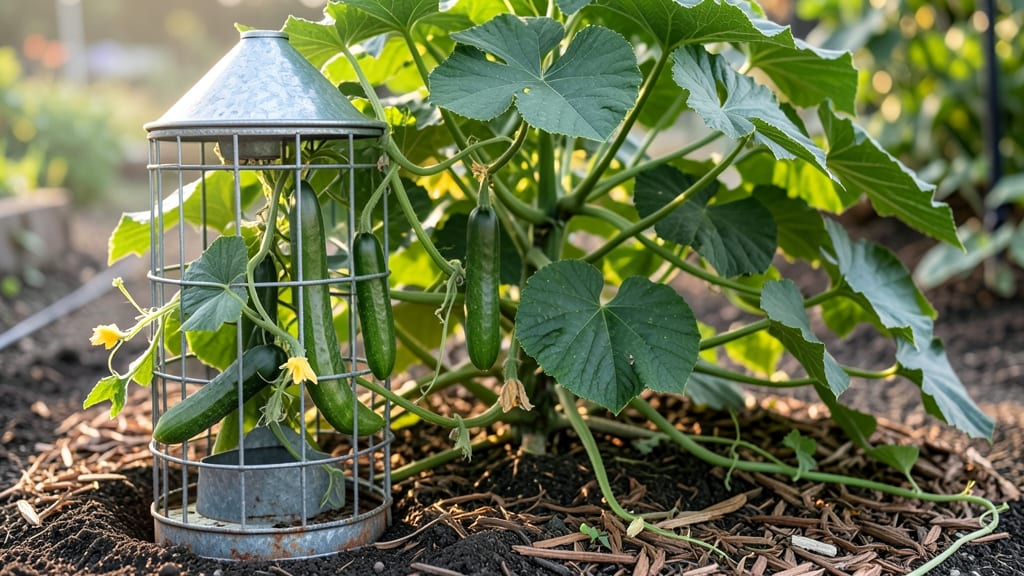
Using tomato cages for cucumbers might seem unconventional, but they’re my go-to for saving space and keeping vines off the ground. 🌱 Last summer, I turned a cluttered patio into a productive vertical garden by repurposing cages—no fancy trellis needed. The results? Cleaner plants, fewer pests, and cucumbers within arm’s reach when I needed them. You’ll need sturdy cages (5-6 feet tall), soft plant ties, and a sunny spot with good airflow. Position cages close together but not touching—crowding stresses vines and invites disease. Secure the main stem to the cage’s center stake first, then gently weave side vines upward as they grow. Once established, cucumbers will climb eagerly, producing straighter, cleaner fruit that’s easier to harvest. Check weekly for tangled vines and adjust ties as the plant grows—this keeps everything tidy and prevents breakage. This method works best for bushier varieties like ‘Straight Eight’ or ‘Marketmore,’ but even vining types like ‘Lemon’ adapt well. For sprawlers, add a second cage or a lightweight trellis for extra support. The key? Start early and stay consistent!
📚 In This Guide
- What you need
- Instructions
- Tips and common mistakes
- Wrapping up and next steps
What you need
- ● Tomato cages: 4–6 medium-sized cages (5–6 feet tall, sturdy metal or plastic mesh). Pro tip: 💡 Opt for cages with 16–18 gauge wire for durability.
- ● Cucumber seeds or seedlings: 1–2 plants per cage (choose bush or vining varieties like 'Straight Eight' or 'Marketmore').
- ● Potting soil: 1–2 bags (well-draining, organic mix with compost).
- ● Containers or garden bed: Option 1: Large pots (12–18 inches deep, with drainage holes).
- ● Option 2: In-ground planting area (ensure 12+ inches of loose soil).
- ● Garden twine or soft ties: 1–2 rolls (for securing vines to cages).
- ● Watering can or hose: With a gentle spray nozzle.
- ● Fertilizer: Balanced organic fertilizer (e.g., 10-10-10) or compost tea.
- ● Mulch: Straw or shredded leaves to retain moisture.
- ● Pruning shears: For trimming excess vines or leaves.
- ● Trellis netting: To reinforce cages if cucumbers get heavy.
- ● Garden gloves: To protect your hands while handling soil or vines.
- ● Shade cloth: If your climate gets scorching hot (30–50% shade).
Step-by-step instructions for using tomato cages for cucumbers
Here's how I turn simple tomato cages into cucumber trellises—saving space while boosting yields.
🪴 Step 1: Select and Prepare the Right Cage Size
Cucumbers need more vertical space than tomatoes, so choose a 5-foot tall cage—the standard tomato cage is usually too small. I reinforce the bottom ring with two extra wire hoops (bend them from heavy-gauge wire) to create a wider base for stability. This prevents the cage from tipping when vines get heavy.
Check for sharp wire edges and bend them inward gently with pliers. Smooth edges prevent damage to delicate cucumber vines. Place the cage in your planting spot before planting to ensure it fits comfortably between plants or garden edges.
🌱 Step 2: Plant Cucumbers Near the Cage
Dig a hole twice as wide as the cucumber's root ball but only as deep as the container it came in. Position the plant 2-3 inches away from the cage so vines can easily reach upward without straining. I always plant 4 seeds per hole (thinning later) because cucumbers are sensitive to transplant shock.
Water deeply before planting to settle the soil, then add 1 cup of compost to the hole. This gives roots a nutrient boost right away. Cover the roots completely and water again to eliminate air pockets. The soil should feel damp but not soggy around the base.
☀️ Step 3: Train Vines Immediately as They Grow
When vines reach 6-8 inches tall, gently weave them through the cage's wire in a spiral pattern. I use soft garden twine to loosely tie the main stem to the cage every 12 inches—this prevents breakage when vines get heavy. Never pull vines tight; let them grow naturally while guiding their direction.
Watch for side shoots (small vines growing from leaf axils). These can be left to grow if you want more fruit, but pinch them off if you prefer larger cucumbers. The goal is to keep the main vine growing upward while managing side growth to avoid overcrowding.
💧 Step 4: Maintain Moisture and Support as Plants Mature
Cucumbers need consistent moisture—water at the base every other day during dry spells, aiming for 1 inch of water per week. Let the top 2 inches of soil dry slightly between waterings to prevent disease. I water in the morning so leaves dry quickly, reducing fungal risks.
As vines grow, check the cage weekly for stability. If the cage sags under the weight, add stakes inside the cage for extra support. You'll know it's working when vines cover the entire cage and cucumbers hang downward—this is the ideal position for even ripening.
✂️ Step 5: Harvest and Prune for Continuous Growth
Harvest cucumbers when they reach 6-8 inches long for best flavor. Check the cage every 2-3 days—overripe cucumbers stress the plant. Use pruning shears to cut stems just above a leaf node, which encourages more fruit to develop. I always harvest in the morning when cucumbers are cool and crisp.
Remove any yellow or diseased leaves immediately to improve airflow. If vines outgrow the cage, extend them with additional wire hoops tied to the top. With proper care, a single cucumber plant on a reinforced cage can produce 20-30 pounds of fruit in a season.
Tips & tricks for perfect vertical cucumber growth
Here's what nobody tells you about maximizing your cucumber harvest with tomato cages.
Stability is Key: The 5-foot cage height is perfect, but don't skip reinforcing that bottom ring! I've seen cages tip over when vines get heavy—those two extra wire hoops make all the difference. For extra security, bury the bottom 2 inches of the cage in soil to anchor it. This prevents rocking during wind or watering.
Planting Precision: That 2-3 inch spacing from the cage might seem close, but it's critical. Any farther and vines will struggle to reach upward, while closer risks root competition. I plant seeds slightly deeper than the container depth—this helps establish strong roots before they need to climb. The 4 seeds per hole gives you insurance against transplant shock, which cucumbers hate.
Vine Training Secrets: When your vines hit 6-8 inches, don't just toss them over the cage—weave them in a spiral. This creates a natural ladder for growth and prevents tangling. The 12-inch twine spacing might seem frequent, but it's worth it to prevent breakage when those cucumbers start hanging heavy. I use old t-shirt strips as twine—they're soft on vines and biodegradable.
Watering Wisdom: The "every other day" rule works, but timing matters more than you'd think. Water in the morning so leaves dry by afternoon—that's when fungal diseases like powdery mildew strike. I use a soaker hose to deliver that 1 inch of water right at the base, avoiding wet leaves entirely. The top 2 inches drying between waterings prevents rot while keeping roots happy.
Pro Tips for Using Tomato Cages For Cucumbers
- Here's what nobody tells you about maximizing your cucumber harvest with tomato cages.
- Stability is Key: The 5-foot cage height is perfect, but don't skip reinforcing that bottom ring!
- Planting Precision: That 2-3 inch spacing from the cage might seem close, but it's critical.
Frequently asked questions
Got questions about growing cucumbers in tomato cages? You’re not alone! Here are some common concerns—and straightforward answers—to help you grow like a pro.
Can I use a tomato cage for cucumbers without any modifications?
A standard tomato cage can work for cucumbers, but they’ll need extra support as they grow heavier. Opt for a heavier-duty cage (like one made of galvanized wire) or reinforce it with stakes or twine. Cucumbers are vines, so they’ll sprawl—prune regularly to keep them contained.
When is the best time to plant cucumbers in a tomato cage?
Wait until after the last frost when soil is at least 60°F (15°C). Cucumbers are heat-lovers! Start seeds indoors 2–3 weeks before transplanting or sow directly into the cage. Morning sun and afternoon shade (in hot climates) help prevent stress.
What if my cucumbers outgrow the cage? Can I still save them?
If vines escape, train them upward with soft ties or garden twine. For aggressive growers, add a second cage nearby or let them trail along the ground (just mulch to protect from pests). Harvest frequently to encourage more growth!
Are there better alternatives to tomato cages for cucumbers?
Yes! Consider trellis netting, bamboo stakes with twine, or A-frame cages (designed for vining plants). If you love tomato cages, upgrade to a larger, sturdier model (like 5–6 feet tall) for better support. DIY options (like PVC pipes) work too!
How do I keep pests away from cucumbers in a cage?
Prevent pests with row covers (early season) and neem oil for aphids/spider mites. Prune lower leaves for airflow, and rotate cages yearly to avoid soil-borne diseases. Companion plants like marigolds or basil deter bugs naturally.
Wrapping up and next steps
Using tomato cages for cucumbers is a game-changer for small gardens or urban spaces! 🌱 With just a few simple steps—like choosing the right cage, training vines, and providing support—you’ll maximize vertical growth while keeping your cucumbers healthy and productive.
This method isn’t just space-efficient; it’s also a fun way to experiment with gardening techniques.
Now that you’re ready to give it a try, grab a tomato cage, pick your favorite cucumber variety, and start growing! Watch your plants thrive and enjoy a bountiful harvest—your future self (and taste buds) will thank you. Happy gardening! 🌿