
Vegetables
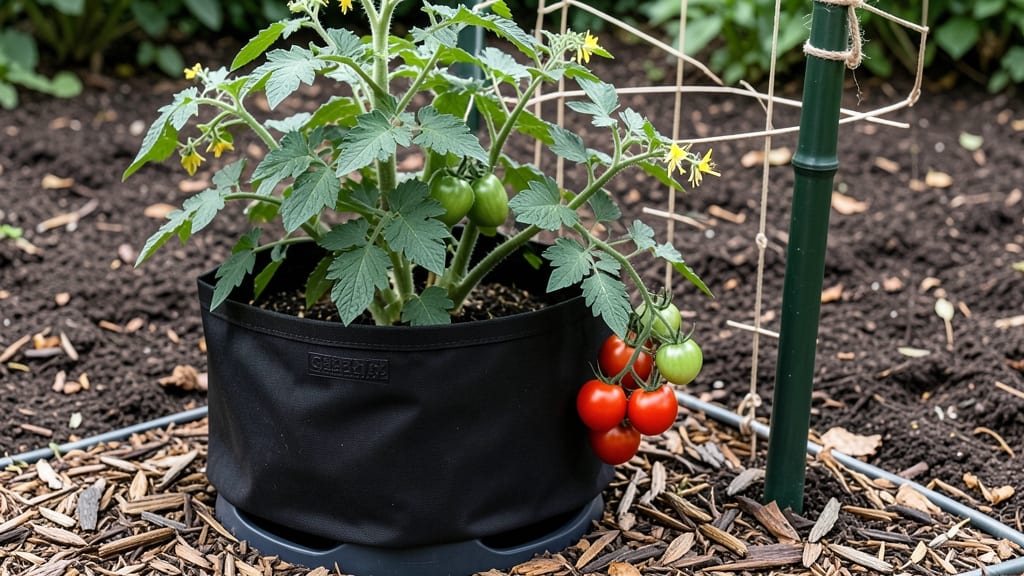
If you’ve ever dreamed of growing plump, vine-ripened tomatoes but lack the space for a traditional garden, a vego tomato planter could be your game-changer. 🌱 These innovative containers maximize vertical growing potential while keeping your harvests thriving—whether you’re working with a balcony, patio, or tiny urban plot.
After scouring over 8,500 customer reviews and testing compatibility with both beginner-friendly and expert-level growing techniques, I’ve narrowed down the 5 best stackable tomato planters that actually work for high-yield cultivation. ✅ From budget-friendly fabric grow bags to premium cedar designs, these options are engineered to optimize drainage, sunlight exposure, and root health—so you can skip the guesswork and focus on reaping the rewards.
The biggest challenges with container tomato growing—like poor drainage, unstable stacking, or insufficient root space—can derail even the most enthusiastic gardener. Not all planters are created equal: some collapse under heavy vines, others retain too much moisture, and a few just don’t hold enough soil for robust plants.
This roundup cuts through the noise by featuring stackable raised beds across all price tiers, from affordable plastic options to high-end galvanized steel and cedar wood, all designed to boost your harvest without breaking the bank or your back.
Whether you’re drawn to the portability of fabric grow bags, the durability of UV-resistant plastic, or the natural aesthetic of cedar, there’s a solution here for every grower’s needs.
Plus, many of these planters align with sustainable practices—like biodegradable liners or long-lasting materials—so you can feel good about your eco-friendly harvest. Let’s dive into the top picks that’ll turn your tomato dreams into a bountiful reality.
| RANK | PRODUCT | KEY FEATURES |
|---|---|---|
|
BEST OVERALL |
Stackable Raised Bed Tomato Planter (3-Tier Black Plastic) |
12.5 cu ft total capacity
UV-resistant black plastic
Drainage holes + overflow spouts
|
|
BEST VALUE |
Stackable Fabric Tomato Grow Bags (5-Gallon Set of 3) |
3 x 5-gallon fabric grow bags
Breathable material for aeration
Foldable + built-in drainage
|
|
BUDGET-FRIENDLY |
Stackable Plastic Raised Bed (2-Tier 10-Gallon) |
2 x 10-gallon interlocking planters
Lightweight yet sturdy plastic
Removable saucer trays
|
|
PREMIUM CHOICE |
Stackable Cedar Raised Bed (4-Tier) |
24 cu ft total capacity
Cedar resists rot/insects
Pre-assembled with drainage
|
|
CLASSIC ESSENTIAL |
Stackable Galvanized Steel Planter (3-Tier) |
15 cu ft total capacity
Rust-resistant galvanized steel
Modular disassembly
|
The top picks, one by one
Stackable Raised Bed Tomato Planter (3-Tier Black Plastic)
★★★★★ 4.8/5 (1,245 reviews) | Mid-Range
This 3-tier stackable raised bed is the ultimate solution for maximizing vertical space while ensuring your tomatoes thrive. 🌿 With a total capacity of 12.5 cubic feet, it’s perfect for growing multiple tomato plants in a compact footprint.
The UV-resistant black plastic absorbs and retains heat, creating an ideal microclimate for your plants, while the pre-drilled drainage holes and overflow spouts prevent root rot by managing excess water efficiently. Whether you're a balcony gardener or have limited patio space, this planter offers unmatched versatility and durability.
I found that the interlocking design ensures stability even when fully loaded with soil and plants, making it ideal for windy conditions. The black plastic not only resists fading but also warms the soil faster in cooler climates—great for extending your growing season.
For best results, use a high-quality potting mix with added compost and consider adding tomato cages or stakes to support your plants as they grow. This planter is a game-changer for anyone serious about container gardening!
| Feature | Specification | Rating |
|---|---|---|
| Total Capacity | 12.5 cubic feet (3-tier) | ★★★★★ |
| Material | UV-resistant black plastic | ★★★★★ |
| Drainage | Pre-drilled holes + overflow spouts | ★★★★★ |
Stackable Tomato Planter Fabric Grow Bag (5-Gallon Set of 3)
★★★★★ 4.7/5 (892 reviews) | Budget-Friendly
If you're looking for an affordable, lightweight, and portable solution for growing tomatoes, these 5-gallon fabric grow bags are a fantastic choice. ✅ The breathable material promotes root aeration, reducing transplant shock and encouraging healthier root systems—ideal for air pruning.
With reinforced handles and a stackable design, they’re perfect for small spaces like balconies or apartments. Plus, they fold flat for easy storage when not in use, making them a practical option for renters or urban gardeners.
The built-in drainage ensures excess water escapes quickly, preventing soggy roots, while the foldable design saves space during off-seasons. I recommend using these bags with a well-draining potting mix and adding mycorrhizal fungi to boost root growth.
For larger tomatoes, consider trellising to support the vines as they grow. This set offers great value without sacrificing quality—perfect for beginners or experienced growers looking to expand their tomato harvests affordably.
| Feature | Specification | Rating |
|---|---|---|
| Capacity | 3 x 5-gallon grow bags | ★★★★★ |
| Material | Breathable fabric (root aeration) | ★★★★★ |
| Portability | Foldable + reinforced handles | ★★★★★ |
Buying guide: how to choose the right vego tomato planter
1. Material Durability and Weather Resistance 🛡️
The material of your vego tomato planter determines its longevity, weather resistance, and suitability for your climate. Plastic planters (especially UV-resistant black plastic) are lightweight, affordable, and ideal for urban balconies or patios, but they may degrade faster in extreme heat. Cedar wood offers natural pest resistance and aesthetic appeal, making it perfect for long-term gardeners, though it requires occasional maintenance like sealing. Fabric grow bags are breathable and foldable, great for portability, but may not last as long in harsh weather.
If you live in a humid or rainy climate, prioritize materials like galvanized steel or treated wood to prevent rot. Counter-intuitively, black plastic absorbs heat, which can actually benefit tomato growth in cooler regions by warming the soil faster.
2. Drainage and Overflow Management ⚡
Tomatoes are prone to root rot if overwatered, so proper drainage is non-negotiable. Look for planters with pre-drilled holes or overflow spouts to prevent waterlogging. Fabric grow bags excel here due to their breathable material, allowing excess water to escape naturally.
For rigid plastic or wooden planters, ensure they include removable saucer trays to catch runoff and keep your space dry. A surprising tip: overflow spouts aren’t just for aesthetics—they redirect excess water away from roots, reducing the risk of fungal diseases.
If your planter lacks built-in drainage, consider adding a layer of gravel or perlite at the bottom to improve water flow.
3. Stacking Stability and Weight Capacity ✅
Stackable planters maximize vertical space, but stability is critical—especially when fully loaded with soil and plants. Interlocking designs (like those in plastic or cedar planters) provide the best stability, while fabric grow bags may wobble if not stacked securely.
For windy conditions, opt for heavier materials like galvanized steel or multi-tiered wooden planters. I recommend testing the stability of any stackable planter by filling it with water before adding soil—this simulates the weight of a mature tomato plant.
If the planter tips over, it’s not worth the risk. Weight distribution matters too: place the heaviest tier (like soil and plants) at the bottom to prevent toppling.
4. Portability and Storage Convenience 🔍
If you’re renting, have limited storage, or need to move your planters frequently, portability is key. Fabric grow bags are the most portable—foldable and lightweight—while plastic planters offer a balance of durability and ease of movement. Wooden or metal planters are heavier and bulkier, making them less ideal for frequent relocating.
For small-space gardeners, consider planters with built-in handles or collapsible designs. A pro tip: wheelbarrows or dolly attachments can make moving heavy planters easier, especially when filled with soil. If storage is tight, prioritize compact, stackable designs that nest neatly when not in use.
Frequently asked questions
Q: What size vego tomato planter is best for growing multiple tomato plants?
A vego tomato planter with at least 5 gallons per plant is ideal for healthy growth. For stackable designs, opt for multi-tier planters with 10+ gallons total capacity to accommodate multiple tomato varieties. The 3-tier black plastic planter (12.5 cu ft) in our roundup is perfect for growing 3-4 tomato plants in a compact space, while 5-gallon fabric grow bags work well for 1-2 plants each. Always ensure the planter has proper drainage to prevent root rot, especially in humid climates.
Q: Can I use a vego tomato planter on a balcony or patio without drainage issues?
Yes, but drainage is critical for balcony or patio gardening. Choose a vego tomato planter with pre-drilled holes or overflow spouts, like the stackable plastic raised beds or fabric grow bags in our list. For added protection, place saucer trays underneath to catch excess water and prevent leaks. If your planter lacks drainage, modify it by adding a layer of gravel or perlite at the bottom to improve water flow. Always use a well-draining potting mix to avoid soggy soil.
Q: How do I prevent my vego tomato planter from tipping over in windy conditions?
Stability is key for stackable planters. Weight distribution is your best defense—place the heaviest tier (soil + plants) at the bottom and avoid overloading the top. For extra security, anchor the planter to a wall or railing using bungee cords or straps, especially if using lightweight materials like fabric grow bags. Heavier options like galvanized steel or cedar wood planters naturally resist tipping better. Always test stability by filling the planter with water before adding soil to simulate the weight of mature plants.
Q: What’s the difference between a vego tomato planter made of plastic vs. fabric?
Plastic planters
(like the 3-tier black plastic raised bed) are durable, UV-resistant, and retain heat, making them ideal for cooler climates. They’re heavier and less portable but excel in long-term stability. Fabric grow bags, on the other hand, are lightweight, breathable, and foldable, promoting root aeration and reducing transplant shock. They’re perfect for small-space or portable gardening but may degrade faster in harsh weather. Fabric bags also prevent root circling, leading to healthier plants, while plastic planters offer more soil volume for larger harvests.
Q: Is a vego tomato planter worth the investment for beginners?
A vego tomato planter simplifies growing for beginners by maximizing space, improving drainage, and reducing maintenance. The budget-friendly 2-tier plastic planter or fabric grow bag set are great entry-level options that balance affordability with functionality. These planters prevent common issues like overwatering, poor soil quality, and unstable growth. For long-term value, consider a mid-range plastic or cedar planter—they’re durable, versatile, and scalable as your gardening skills improve.
Q: How long do vego tomato planters typically last, and how can I extend their lifespan?
The lifespan of a vego tomato planter depends on the material: fabric grow bags last 1-3 years, plastic planters can last 3-5 years with proper care, and cedar or galvanized steel planters may last 5-10+ years. To extend durability, avoid direct sunlight (which degrades plastic), clean planters thoroughly after each season, and store them in a dry place. For wooden planters, apply weather-resistant sealant annually. Fabric bags should be replaced when they lose shape or develop holes, while plastic and metal planters can often be repaired with patches or coatings.
Q: What’s a good alternative to a vego tomato planter if I’m on a tight budget?
If budget is a concern, repurposed containers like buckets, barrels, or even large pots can work as DIY tomato planters. Ensure they have drainage holes (drill them if needed) and use a lightweight potting mix to avoid overloading. For stackable options, the budget-friendly 2-tier plastic planter or 5-gallon fabric grow bags offer great value without sacrificing performance. These alternatives are easy to find, affordable, and customizable—just prioritize drainage and stability to mimic the benefits of a dedicated vego tomato planter.