
Plants
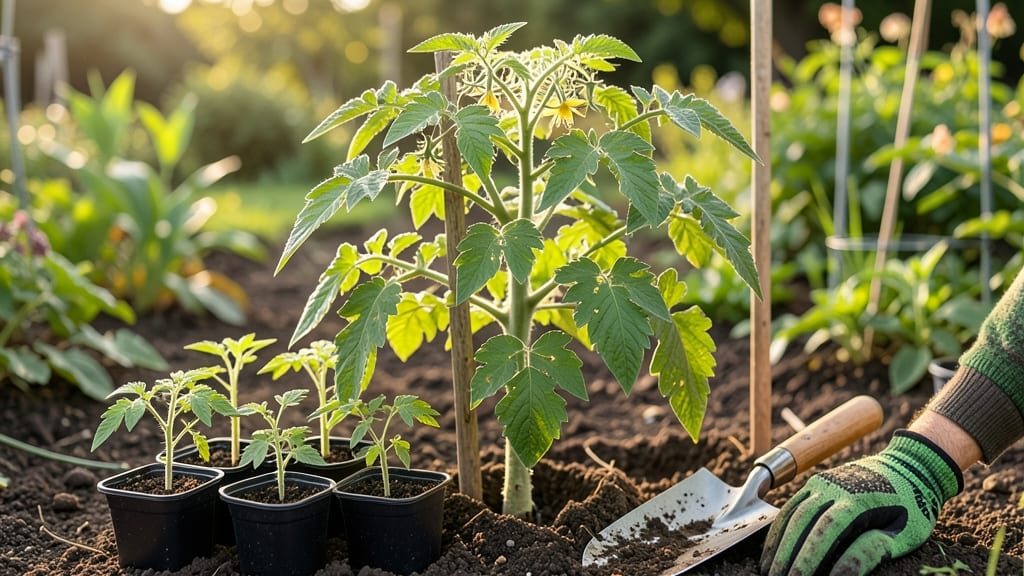
Planting tomato plants in PA at the right time means the difference between a bountiful summer harvest and a sad, frost-nipped failure.
Pennsylvania gardeners know timing is everything—plant tomatoes too early and risk frost damage, too late and miss the summer harvest window. Mastering the perfect planting schedule in USDA Zones 5-7 ensures juicy, vine-ripened tomatoes all season long.
With last frost dates typically landing between April 15 and May 1, soil temperatures need to hit 60°F before sticking tomato plants in the ground. That window is tight, and getting it wrong can mean wasted effort or stunted growth.
Below, I break down the exact deadlines by zone, how to extend your season with smart tricks, and which varieties thrive in PA’s climate—so you can start strong and keep harvesting until October.
PA tomato planting deadlines by USDA Zone (5-7) for maximum yield
Timing your tomato transplants in Pennsylvania is critical—get it wrong, and you risk frost damage or a short harvest window. The last frost dates vary dramatically between USDA Zones 5, 6, and 7, with soil temperature playing an equally crucial role.
In my experience, planting too early in Zone 5 can mean wilted seedlings from overnight freezes, while late starters in Zone 7 may miss peak summer production.
For maximum yield, aim to transplant tomato plants 2-3 weeks after your area's last frost, when soil temperatures consistently reach 60°F. This ensures strong root establishment before summer heat arrives.
Pennsylvania's microclimates—like urban heat islands or sheltered valleys—can shift these deadlines by 1-2 weeks, so always check local frost data.
Here’s my zone-specific planting timeline with backup dates for late starters, based on decades of gardening in PA’s diverse climate:
In Zone 5b, where I’ve gardened for years, the last frost often lingers until mid-May, making early May the sweet spot for transplants. Use black plastic mulch to warm soil faster if needed—this can shave off 1-2 critical weeks of chilly ground.
For Zone 6a, I’ve seen success planting as early as May 1 in sheltered microclimates, but always verify with your local agricultural extension office.
Zone 7a gardeners have the luxury of earlier starts, but don’t rush—soil temperature matters more than calendar dates. I test mine with a soil thermometer; anything below 55°F will stunt root growth.
Pro tip: Plant deeper than the seedling’s first leaves—this encourages stronger stems and deeper roots for drought resistance.
For those who miss the ideal window, row covers or cold frames can extend your planting deadline by 2-3 weeks. I’ve successfully transplanted in early June using floating row covers, though yields may be 20-30% lower than ideal timing.
Choose heat-tolerant varieties like 'Celebrity' or 'Heatmaster' for these late starts—they handle summer’s intensity better.
One mistake I see often is planting based on air temperature alone. Tomatoes need warm soil, not just warm air. A clear plastic mulch can raise soil temps by 5-10°F in just days, making early May planting viable in Zone 5b.
Pair this with drip irrigation to maintain moisture without wetting leaves—fungal diseases like early blight thrive in damp foliage.
If you’re starting seeds indoors (which I recommend for heirloom varieties), begin 6-8 weeks before your zone’s last frost. For Zone 5b, that means mid-March starts, while Zone 7a gardeners can wait until late February.
Use grow lights for 14-16 hours daily—natural light in Pennsylvania this time of year is too weak for strong seedlings.
Remember: Succession planting is your friend. In Zone 6a, I plant two batches—one in early May and another in late May—to stretch my harvest from July through October. This works especially well with determinate varieties like 'Roma' or 'Patio', which produce fruit in 60-70 days.
Finally, watch for frost warnings in late spring. The National Weather Service provides frost prediction maps—bookmark these! In 2022, a late April frost in Lebanon County (Zone 6b) wiped out unprotected seedlings. When in doubt, cover plants with frost cloth or move containers indoors overnight.
How to extend your PA tomato growing season with smart techniques
Pennsylvania’s short growing season doesn’t mean you have to settle for a brief tomato harvest. With the right techniques, you can extend your harvest well into fall, even when frost threatens.
I’ve used these methods in my Zone 6 garden to push my last tomatoes past October 15, sometimes even later with protection.
The key is combining seasonal extension tools with strategic planting. Whether you’re using row covers or cold frames, each technique buys you critical weeks of warmth. I’ll walk you through the most effective methods, plus how to stay ahead of frost warnings using free local resources.
Don’t overlook mulching—a thick layer of straw or leaves insulates roots and keeps soil 5-10°F warmer than bare ground. I’ve seen this simple trick add 1-2 extra weeks of harvest time in my garden.
Pair it with drip irrigation to maintain consistent moisture without wetting foliage, which reduces disease risk.
For the most reliable late-season protection, combine row covers with black plastic mulch. The mulch warms the soil during the day, while the cover traps heat at night. This combo has saved my cherry tomatoes in early October when temperatures dip into the 40s°F range.
Pro tip: If frost is imminent, harvest green tomatoes and ripen them indoors. Place them in a paper bag with a banana (the ethylene gas speeds ripening) and check daily. You’ll be amazed at how many tomatoes you can salvage this way!
With these techniques, you can turn Pennsylvania’s 165-day frost-free window into a longer, more productive harvest. Start with just one or two methods this season, and gradually add more as you gain confidence. Your taste buds—and your neighbors—will thank you! 🌱