| Root Booster |
Humic
Buying guide: how to choose the right 5-10-10 tomato fertilizer
1. Nutrient Release Type (Slow vs. Fast) 💡
A 5-10-10 fertilizer can either deliver nutrients quickly or slowly, and choosing the right type depends on your gardening style. Slow-release fertilizers (like granular or spike forms) provide a steady supply over months, reducing the risk of over-fertilization and nutrient burn.
These are ideal for gardeners who prefer a "set it and forget it" approach. On the other hand, fast-acting liquid fertilizers give an immediate boost, perfect for plants showing early signs of nutrient deficiency or for container gardens where nutrients deplete quickly.
If you're growing tomatoes in heavy clay soil, a slow-release option prevents leaching, while sandy soil benefits from frequent liquid feeds to maintain moisture and nutrient levels.
2. Organic vs. Synthetic Composition ⚡
The choice between organic and synthetic 5-10-10 fertilizers comes down to your gardening philosophy and soil health goals. Synthetic fertilizers provide precise, immediate nutrient delivery and are often more affordable, making them a favorite for commercial growers.
However, they lack organic matter, which can degrade soil structure over time. Organic options, like fish bone meal or kelp-based blends, improve soil fertility long-term, support beneficial microbes, and are safer for edible gardens.
If you're growing tomatoes for long-term sustainability or prefer chemical-free produce, organic fertilizers are worth the investment. For quick results and high yields, synthetic fertilizers are hard to beat—but they may require additional soil amendments down the line.
3. Application Method (Granular, Liquid, or Spike) ✅
The form of your fertilizer—whether granular, liquid, or spike—directly impacts ease of use and effectiveness. Granular fertilizers are versatile and work well for both in-ground and container plants; they’re easy to sprinkle and water in, but may require reapplication every few weeks. Liquid fertilizers offer convenience and fast absorption, making them ideal for weekly feeding routines, especially in pots where nutrients wash out quickly. Spike fertilizers are the most low-maintenance, providing nutrients over months with minimal effort, but they’re best suited for in-ground planting.
If you're a busy gardener, liquid fertilizers are the fastest, while spikes are the most hands-off. For a balance, consider a combo approach, like using spikes at planting and liquid feeds during fruiting.
4. Micronutrient Inclusion for Fruit Quality 🔍
Not all 5-10-10 fertilizers are equal—some include micronutrients like iron, zinc, manganese, calcium, and magnesium, which are critical for tomato flavor, size, and disease resistance. A fertilizer with these added nutrients can prevent issues like blossom end rot (caused by calcium deficiency) or yellowing leaves (iron deficiency).
Look for labels mentioning these micronutrients; they’re often found in premium or hydroponic-grade fertilizers. If you’re growing tomatoes for market or gourmet use, prioritize fertilizers with micronutrients—they’ll pay off in sweeter, more robust fruit.
For basic home gardens, a standard 5-10-10 may suffice, but adding a micronutrient supplement mid-season can elevate your harvest.
5. Budget and Long-Term Value 💰
Your budget will influence whether you opt for a budget-friendly powder, a mid-range granular, or a premium hydroponic solution. Budget options (like organic compost blends) are cost-effective but may require more frequent applications. Mid-range granular fertilizers offer the best balance, providing long-lasting nutrients without breaking the bank. Premium choices, such as hydroponic crystals or time-release spikes, are pricier upfront but deliver precision and convenience.
Consider the size of your garden and how many seasons you’ll use the fertilizer. A slightly more expensive option that lasts multiple years (like slow-release granules) can save money in the long run compared to cheaper, short-term solutions.
Frequently asked questions
Q: What is a 5-10-10 tomato fertilizer, and why is it ideal for my tomato plants?
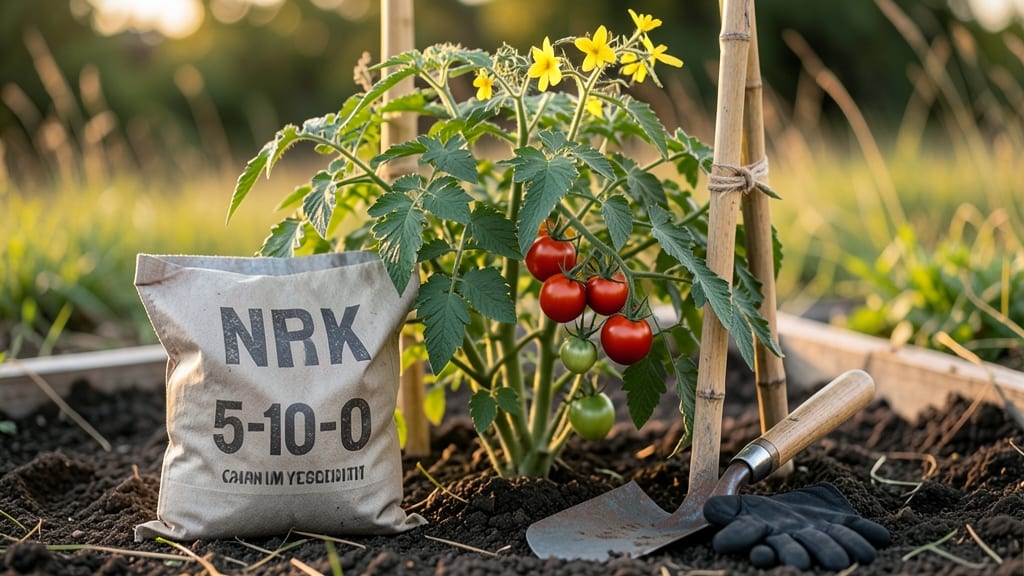
A 5-10-10 tomato fertilizer refers to the NPK ratio (Nitrogen-Phosphorus-Potassium) of 5% nitrogen, 10% phosphorus, and 10% potassium. This balanced formula is perfect for tomatoes because it supports leafy growth (nitrogen), root development and flowering (phosphorus), and fruit production and overall plant health (potassium). Unlike higher-nitrogen fertilizers that encourage excessive foliage at the expense of fruit, a 5-10-10 ratio ensures your tomatoes grow strong vines, abundant blooms, and flavorful fruit. I recommend using it during the early to mid-growing stages when your plants need a steady nutrient supply but aren’t yet focused solely on fruiting.
Q: How often should I apply 5-10-10 fertilizer to my tomato plants?
The frequency depends on the type of fertilizer you choose. For slow-release granular fertilizers, apply every 4-6 weeks during the growing season (spring to early fall). Liquid concentrates can be used every 1-2 weeks for a quick nutrient boost, especially in containers where nutrients wash out faster. Organic blends may require more frequent applications (every 3-4 weeks) since they break down slower. Always follow the product’s instructions, but avoid over-fertilizing—too much nitrogen can lead to leafy growth with few tomatoes, while excess salts from overapplication can damage roots. I suggest light, regular feedings rather than heavy doses.
Q: Can I use 5-10-10 fertilizer for other vegetables besides tomatoes?
Yes! A 5-10-10 fertilizer works well for many fruiting vegetables, including peppers, eggplants, cucumbers, and squash, as well as leafy greens like lettuce and spinach during their early growth stages. However, for heavy feeders like corn or potatoes, you might want a higher nitrogen ratio (e.g., 10-10-10) to support their rapid growth. For root crops like carrots or beets, a lower nitrogen ratio (e.g., 3-10-10) is better to encourage root development. Always adjust based on the plant’s needs—tomatoes thrive on 5-10-10, but other crops may require slight tweaks.
Q: What’s the difference between organic and synthetic 5-10-10 fertilizers?
The main difference lies in source, nutrient availability, and soil impact. Synthetic 5-10-10 fertilizers (like granular or liquid options) provide immediate, precise nutrients and are often more affordable. They’re great for quick results but can lead to soil depletion over time if used exclusively. Organic 5-10-10 fertilizers (like fish bone meal or kelp blends) improve soil structure, microbial activity, and long-term fertility. They release nutrients slower, which reduces the risk of burning plants but may require more frequent applications. If you prioritize sustainability and soil health, organic is the way to go. For fast, high-yield results, synthetic options are hard to beat.
Q: How do I know if I’m over-fertilizing my tomatoes with 5-10-10?
Over-fertilizing is common with high-nitrogen or salt-heavy fertilizers, and signs include yellowing leaves, crispy leaf edges, stunted growth, or excessive leafy growth with few tomatoes. If you notice these symptoms, flush the soil with water to reduce salt buildup and hold off on fertilizing for 2-3 weeks. For granular fertilizers, apply sparingly and water thoroughly after application. With liquid fertilizers, dilute to half-strength if you suspect overapplication. I recommend starting with the lower end of the recommended dose and adjusting based on your plants’ response—tomatoes are resilient, but prevention is easier than correction!
Q: Is 5-10-10 fertilizer safe for hydroponic or container growing?
Yes, but you’ll need a soluble or liquid form of 5-10-10 fertilizer for hydroponics or containers. Granular fertilizers aren’t suitable for these setups since they can’t dissolve quickly enough. Look for hydroponic-grade 5-10-10 crystals or liquid concentrates that are pH-balanced (5.5-6.5) for optimal nutrient uptake. In containers, nutrients deplete faster, so frequent, diluted feedings (every 1-2 weeks) work best. Avoid spikes or slow-release granules—they’re designed for soil and won’t dissolve properly in water-based systems. For containers, I also recommend alternating with a micronutrient supplement to prevent deficiencies in confined root zones.
Q: What’s a good budget-friendly alternative to 5-10-10 fertilizer for tomatoes?
If you’re looking for affordable alternatives, consider compost, worm castings, or homemade compost tea—they provide a balanced nutrient profile and improve soil health. For a synthetic budget option, a 3-10-10 or 4-10-10 fertilizer can work well, though the slightly lower nitrogen helps prevent leafy overgrowth. Another cost-effective choice is fish emulsion (5-1-1 ratio), which you can dilute to mimic a 5-10-10 effect by adding bone meal (for phosphorus) and kelp meal (for potassium). Just mix 1 part fish emulsion, 1 part bone meal, and 1 part kelp meal into your soil or compost for a DIY 5-10-10 blend. It’s not as precise, but it’s cheap, organic, and effective for home gardens!
★★★★★4.8(4 reviews)
|