
Vegetables
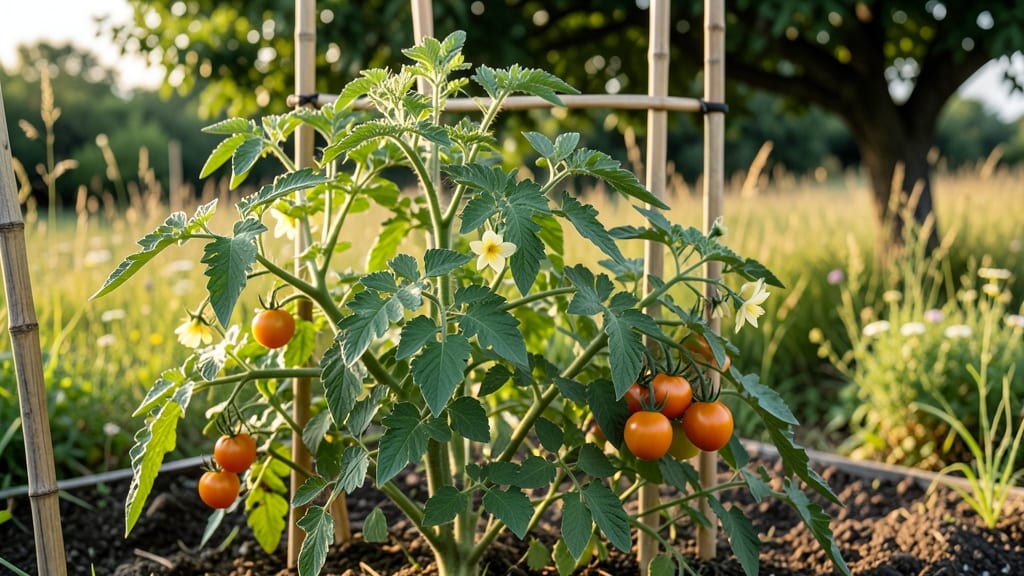
The Amana Orange tomato thrives where others wilt—its heat resistance makes it a summer staple. 🌞 I planted mine in late spring, and by mid-July, I had my first ripe fruit, even in 90-degree heat.
This heirloom isn’t just tough; it delivers sweet, tangy tomatoes that taste like summer in every bite. You’ll need full sun (6+ hours daily), well-draining soil, and consistent moisture—but no soaking. My trick? Mulch heavily to keep roots cool and water deeply in the morning.
Fertilize lightly with compost every 3 weeks, and watch those vines stretch toward the sky. By August, you’ll be harvesting 10-15 pounds of tomatoes weekly, with flavor peaking in late summer. The plants stay productive until frost, giving you a harvest window most varieties can’t match.
Troubleshoot with these fixes: yellow leaves? Check watering. Cracked fruit? Shade during peak heat. With these adjustments, your Amana Oranges will outperform store-bought tomatoes every time.
📚 In This Guide
- What you need
- Instructions
- Tips and common mistakes
- Wrapping up and next steps
What you need
- ● Amana Orange tomato seeds (or a young seedling from a nursery, 1-2 plants per gardener)
- ● Well-draining potting mix (5-10 lbs, organic blend with perlite or coconut coir for aeration)
- ● Containers or garden bed: Containers: 5-gallon pots or larger (at least 12 inches deep, 1-2 per plant)
- ● Garden bed: Full sun exposure (6+ hours/day), loose soil with pH 5.8–6.8
- ● Fertilizer (balanced 10-10-10 or organic options like composted manure or worm castings, 1-2 cups per plant)
- ● Stakes or cages (3-5 ft tall, 1-2 per plant for support)
- ● Mulch (straw or shredded leaves, 2-3 inches thick to retain moisture)
- ● Watering can or hose with a gentle spray nozzle
- ● Pruning shears (sterilized, for trimming suckers and dead leaves)
- ● Grow lights (for indoor starts or extending the growing season)
- ● Drip irrigation system (for consistent moisture in hot climates)
- ● Tomato cages with built-in trellis (for vertical growth and easier harvesting)
- ● Plant food with higher potassium (to boost fruit production)
- ● Row covers or shade cloth (30-50% shade for seedlings in intense heat)
Step-by-step guide to growing Amana Orange tomatoes
Here's the straightforward method I use to grow this heat-loving variety—perfect for hot climates or late-season harvests.
🌱 Step 1: Select the Right Location and Prepare Soil
Choose a spot that gets full sun (6-8 hours daily) and has well-draining soil. Amana Oranges thrive in heat, so avoid low-lying areas where cold air settles. I always test soil pH first—aim for 6.0-6.8. If your soil is heavy clay, mix in 2-3 inches of compost and a handful of coarse sand per planting hole to improve drainage.
Work the soil to a depth of 12 inches before planting. Loosen the top layer with a garden fork to encourage root growth. The key here is warmth—these tomatoes grow best when soil stays above 65°F. If you're planting early in cooler climates, consider using black plastic mulch to warm the soil faster.
☀️ Step 2: Plant at the Right Time and Depth
Wait until all danger of frost has passed and soil temperatures are consistently 65°F or warmer. Amana Oranges are heat-tolerant but need time to establish roots before summer's peak. Plant 4 plants per 10-foot row, spacing them 24-36 inches apart—they grow large and need room to sprawl.
Dig holes twice as wide as the root ball but no deeper. Place the plant so the top of the root ball sits 1 inch below soil level. This encourages strong root growth before the plant puts energy into fruiting. Backfill with soil and gently firm it around the base, but don't pack it down—roots need air pockets to expand.
💧 Step 3: Water Deeply and Consistently
Water immediately after planting to settle the soil, then maintain 1 inch of water per week—more during fruit set. I water deeply 2-3 times per week rather than daily shallow watering. The goal is to keep roots moist but never soggy. Amana Oranges are drought-tolerant once established, but consistent moisture prevents blossom-end rot and cracking.
Water at the base of the plant in the morning to reduce evaporation and fungal risks. Avoid wetting leaves, especially in humid conditions. You'll know you're doing it right when the top 2 inches of soil feel dry to touch between waterings. Mulch with 2-3 inches of straw or grass clippings to retain moisture and keep roots cool.
✂️ Step 4: Prune and Support for Maximum Yield
Install sturdy 6-foot tomato cages or stakes at planting time to support the vines. Amana Oranges produce heavy fruit, so pruning helps direct energy to fruit production. Remove suckers (the shoots that grow in the leaf axils) regularly—pinch them off when they're 2-3 inches long. This prevents overcrowding and improves air circulation, reducing disease risk.
Prune lower leaves that touch the ground to prevent soil-borne diseases. I also trim any leaves that show signs of yellowing or spotting. The goal is to keep the plant focused on producing fruit, not maintaining excessive foliage. When fruit starts setting, reduce pruning to let the plant channel energy into ripening.
🍅 Step 5: Harvest and Extend the Season
Harvest when fruit turns a deep orange color and yields slightly to gentle pressure. Amana Oranges ripen from the bottom up, so pick them as they ripen to encourage more fruit to set. Use pruning shears or a sharp knife to avoid damaging the stem. I harvest every 2-3 days during peak season to keep production going.
To extend the harvest, protect plants from late-season heat with shade cloth if temperatures exceed 95°F. Water consistently to prevent stress. These tomatoes are heat-tolerant but still benefit from consistent care. With proper support and pruning, you'll get a steady supply of sweet, juicy fruit well into fall—or even winter in warm climates.
Tips & tricks for growing heat-resistant Amana Orange tomatoes
These simple strategies will help you maximize your harvest with this hardy variety—especially in challenging climates.
Soil Preparation Secret: The 12-inch deep soil prep isn't just about loosening—it's about creating a warm root zone. I take it a step further by adding a handful of perlite or vermiculite to the bottom of each planting hole. This improves drainage while helping retain moisture during those hot afternoons when the soil can dry out quickly. The key is keeping roots consistently above 65°F without letting them bake.
Planting Depth Matters: That 1-inch below soil level placement might seem counterintuitive, but it's crucial for these heat-loving plants. The extra depth encourages a stronger root system before the plant focuses on fruiting. I've seen plants that were planted too shallow struggle in summer heat—they'll send roots up toward the surface where they dry out faster. Think of it as giving your tomato a "cooling vest" for its roots.
Watering Wisdom: The 2-inch dry soil test is your best friend, but timing matters just as much. I water my Amana Oranges in the early morning—before 8 AM—so the leaves have time to dry completely before evening humidity sets in. During fruit set, I increase to 1.5 inches per week and use drip irrigation to deliver water right at the base. This prevents blossom-end rot while keeping those vibrant orange fruits from cracking in the heat.
Pruning Strategy: When those suckers reach 2-3 inches, I don't just pinch them off—I snip them with clean pruners just above a leaf node. This encourages faster healing and prevents disease entry points. For the lower leaves, I remove any that touch the ground within 12 inches of the stem. The goal is to create an open canopy that lets sunlight reach all the fruit while still maintaining good air circulation to prevent fungal issues.
Pro Tips for Amana Orange Tomato Plant
- These simple strategies will help you maximize your harvest with this hardy variety—especially in challenging climates.
- Soil Preparation Secret: The 12-inch deep soil prep isn't just about loosening—it's about creating a warm root zone.
- Planting Depth Matters: That 1-inch below soil level placement might seem counterintuitive, but it's crucial for these heat-loving plants.
Frequently asked questions
How long does it take for Amana Orange tomatoes to produce fruit?
The Amana Orange typically starts flowering 50–60 days after transplanting (or 65–75 days from seed). First fruits usually ripen in 70–80 days, but warm climates can speed this up. Patience pays off—once established, this variety thrives in heat and keeps producing until frost!
Can I grow Amana Orange tomatoes in cold climates?
While this variety is heat-tolerant, it’s not frost-hardy. Start seeds indoors 6–8 weeks before your last frost, then transplant after soil temps hit 55°F+. Use row covers or greenhouses in cooler zones to extend the season. If frost threatens, harvest unripe tomatoes—they’ll ripen indoors!
What’s the difference between Amana Orange and other orange tomatoes?
The Amana Orange stands out for its heat resistance and early productivity. Unlike heirloom orbs (which need cooler weather), it thrives in 90°F+ heat and resists cracking. Flavor? Sweet, tangy, and less acidic than red tomatoes—perfect for sauces, salads, or eating fresh!
Why are my Amana Orange tomatoes cracking? How do I fix it?
Cracking often happens with inconsistent watering (too much after drought). Solutions:
- Water deeply 1–2x/week (early morning) to avoid stress.
- Mulch with straw to retain moisture and cool roots.
- Harvest tomatoes when 70% ripe—they’ll finish indoors.
Bonus: Prune lower leaves to improve airflow and reduce disease risks like blight.
Are there any companion plants that help Amana Orange tomatoes?
Yes! Plant near:
- Basil (repels pests + boosts flavor).
- Marigolds (deter nematodes).
- Avoid planting near fennel, dill, or corn—they compete for nutrients.
For heat protection, try shade cloth (30%) during peak afternoons if temps exceed 95°F.
Wrapping up and next steps
Growing the amana orange tomato plant is a rewarding way to enjoy vibrant, heat-resistant tomatoes year-round! This variety thrives in warm climates and delivers sweet, flavorful fruit with minimal fuss—perfect for both beginners and seasoned gardeners.
Whether you're expanding your garden or experimenting with new crops, this resilient plant is a game-changer for consistent harvests.
Ready to get started? Pick your spot, gather your supplies, and plant with confidence! 🌱 With the right care, you’ll soon be savoring homegrown tomatoes that shine as brightly as their name suggests.