
Companion Plants
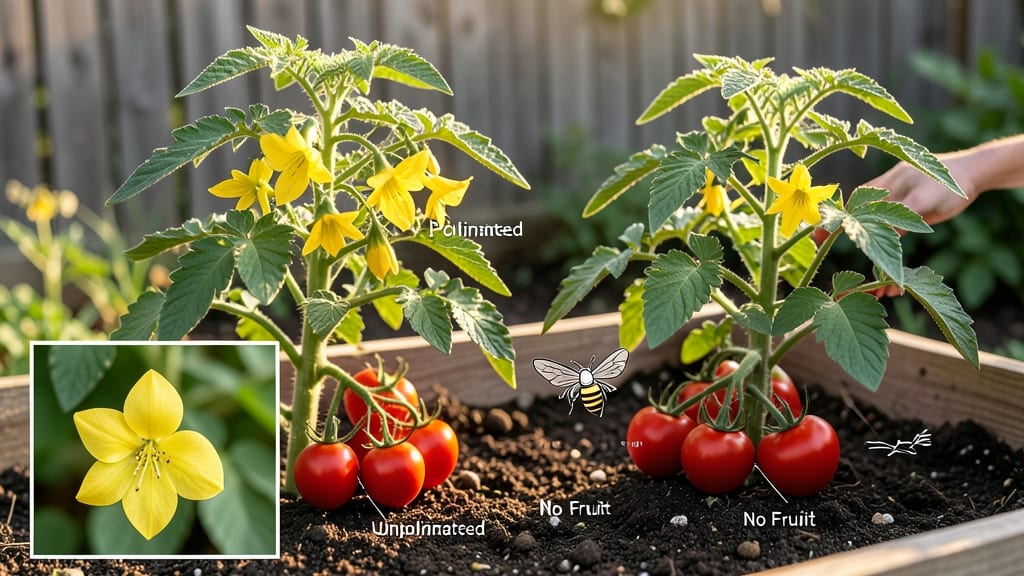
You don't need two tomato plants to produce fruit, since most garden varieties are self-pollinating. Wind, gentle shaking, or a small brush can manually transfer pollen for successful fertilization without needing a second plant.
Tomatoes are perfect for small gardens because their flowers contain both male and female parts, allowing them to pollinate themselves. 🌱 The key is getting pollen from the anthers (the yellow parts) to the stigma (the sticky tip) inside each flower.
While bees help in nature, you can mimic their work by gently tapping the plant or using a soft brush to transfer pollen. Humidity and temperature also play a role—too much heat or dryness can reduce fruit set, so consistent care makes a big difference.
Even if you only have one plant, you can still get a great harvest by focusing on proper growing conditions. Bright sunlight, well-draining soil, and regular watering help flowers develop fully.
For heirloom varieties, manual pollination might be especially important since they often have larger flowers that need extra help. The bottom line? One healthy tomato plant can produce plenty of fruit if you give it the right care and a little extra attention to pollination.
💡 In This Article
- How Tomato Pollination Works Naturally
- Boosting Tomato Fruit Production Without Cross-Plant Pollination
How tomato pollination works naturally
Tomato plants are self-pollinating because their flowers contain both male and female reproductive parts in one structure. The male parts, called anthers, produce yellow pollen that sits atop the flower. The female part, the stigma, is a small, sticky surface at the center.
When pollen lands on the stigma, it triggers fertilization, leading to fruit development. This process happens naturally when wind, bees, or even gentle vibrations from rain transfer pollen from anther to stigma.
The efficiency of this process depends on environmental factors. For example, temperatures above 90°F can cause pollen to become sterile, while high humidity prevents pollen from easily reaching the stigma. 🌡️ Even slight movements—like a breeze or your hand brushing past the plant—can help dislodge pollen.
In controlled environments (like greenhouses), humidity levels below 60% often require manual intervention to ensure proper pollination. This is why some gardeners notice fewer fruits in hot, dry climates unless they assist the process.
Tomato flowers also have a unique feature: they open in the morning and close by afternoon. This timing maximizes exposure to pollinators and wind, but it means pollen must be transferred before the flower closes.
If you're growing tomatoes indoors or in containers, this natural rhythm becomes even more critical because wind and insects are absent. The result? Flowers that don't receive pollen may drop off without forming fruit, even if the plant is otherwise healthy.
Another fascinating detail is how tomato plants prioritize resources. When conditions are less than ideal (like extreme heat or drought), the plant may abort developing fruit to conserve energy. This is why consistent care—especially during flowering—directly impacts yield.
For instance, a 10-foot-tall indeterminate plant might produce 20-30 pounds of tomatoes per season under perfect conditions, but only 5-10 pounds if pollination fails or stress occurs. The key takeaway? Pollination isn't just about having two plants—it's about creating the right conditions for a single plant to thrive.
Let's break down the science further: the stigma's sticky surface is covered in tiny hairs that trap pollen grains. Once captured, the pollen tube grows down the style (the stalk connecting stigma to ovary) over 24-48 hours, delivering sperm cells to fertilize the ovules.
Without this step, the flower simply wilts and falls off. This is why even a single healthy tomato plant can produce abundant fruit—if you help nature along when needed.