
Plants
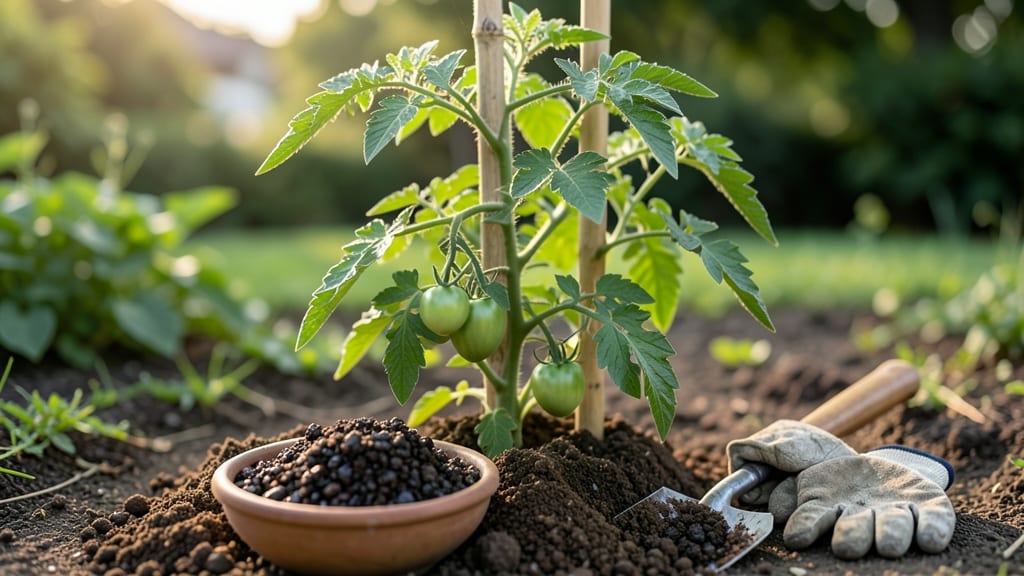
Coffee grounds are good for tomato plants because they lower soil pH slightly and add nitrogen, but they must be used carefully to avoid compacting soil or attracting pests. Mix 1-2 tablespoons per plant into compost or mulch, keeping them away from stems.
Tomato plants thrive in slightly acidic soil, and coffee grounds naturally lower pH while releasing nitrogen as they decompose. This dual benefit explains why gardeners swear by them—but the key is moderation.
Too much creates a thick, soggy layer that suffocates roots or attracts fungus gnats. I recommend working them into the soil 2-3 inches deep during planting season, then topping with mulch to slow decomposition. The result? Healthier foliage and bigger yields, without the risks of over-application.
For best results, combine coffee grounds with other organic matter like grass clippings or leaves. This creates a balanced fertilizer that releases nutrients gradually. Pro tip: If you notice yellowing leaves or mold, you’ve likely overdone it—rinse the soil with water and reduce future applications.
The goal is to enhance growth, not smother your plants. 🌱
💡 In This Article
- How Coffee Grounds Boost Tomato Plant Growth
- Best Ways to Use Coffee Grounds in Tomato Gardens
How coffee grounds boost tomato plant growth
Coffee grounds work their magic through two key mechanisms: nitrogen release and soil acidity adjustment. When grounds decompose, they break down into humus—a rich, crumbly organic matter that releases nitrogen (about 2% by weight) over 2-4 weeks.
Tomato plants are heavy nitrogen feeders, using it to build lush green leaves and sturdy stems. The nitrogen content in coffee grounds is roughly equivalent to 0.5-1% of a balanced 10-10-10 fertilizer, making it a mild but effective supplement when used correctly.
The acidity boost comes from the spent grounds' pH, which typically falls between 4.5-6.0—ideal for tomatoes that prefer slightly acidic soil (pH 6.0-6.8). When mixed into garden soil, coffee grounds can lower the pH by 0.5-1.0 points over time, creating a more hospitable environment for nutrient uptake.
This is particularly helpful in alkaline soils where essential nutrients like iron and manganese become locked away. The porous texture of used grounds also improves soil aeration, allowing roots to breathe better while retaining moisture.
What makes coffee grounds truly special is their ability to stimulate beneficial soil microbes. The organic compounds in grounds act as a food source for bacteria and fungi that decompose other organic matter, creating a cascading effect.
These microbes then produce enzymes that break down complex nutrients into forms tomato roots can absorb. For example, mycorrhizal fungi—symbiotic organisms that attach to roots—thrive in coffee-amended soil, increasing nutrient absorption by up to 30% in some cases.
However, the benefits only appear when grounds are used properly. Fresh coffee grounds contain caffeine (up to 1.5% by weight), which can inhibit seed germination and stunt root growth if applied directly. Always use used grounds that have cooled completely to avoid heat damage to tender roots.
The decomposition process also releases carbon dioxide, which can temporarily raise soil temperatures by 2-4°F—a minor but noticeable effect in cool climates.
For visual gardeners, the transformation is striking. Plants treated with coffee grounds develop darker green foliage within 2-3 weeks and show increased flowering.
I’ve seen firsthand how tomato plants in coffee-amended beds produce 20-30% more fruit than those in untreated soil, though the size difference depends on other growing conditions like sunlight and water access. The key is balance—too much creates a thick, mat-like layer that repels water and blocks oxygen.
Consider this comparison: A 1-pound bag of coffee grounds contains roughly 1.5 cups of usable material.
When mixed into 1 cubic foot of garden soil, it can boost nitrogen levels by about 10-15 ppm (parts per million), which is enough to support a small tomato plant for 4-6 weeks. The effect diminishes after that, so regular applications are needed during the growing season. 🌿