
Plants
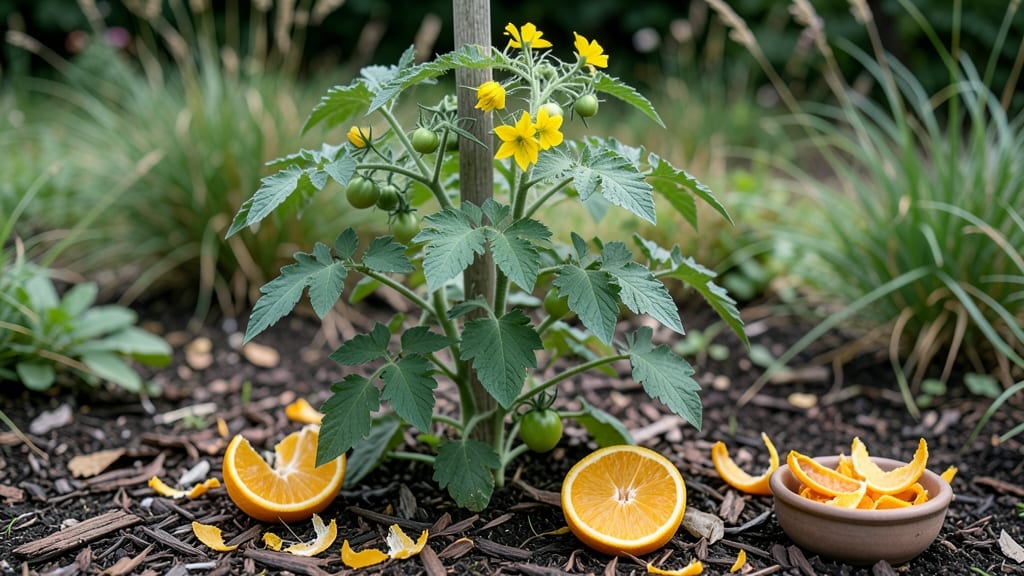
Orange peels are good for tomato plants when used carefully—they provide potassium and vitamin C that boost growth, but too much can attract pests or throw off soil balance. Use them sparingly as compost or mulch.
Citrus peels contain natural nutrients like potassium that help strengthen tomato vines and vitamin C that supports root health, but the real magic happens in how you apply them. 🌱 The key is moderation—overdoing it can actually harm your plants by disrupting beneficial soil microbes or luring fruit flies.
I’ve found that drying peels first and sprinkling them lightly around the base (not touching the stems) gives the best results without the risks.
For maximum benefit, consider making a citrus peel tea by steeping peels in water for 24 hours, then using the liquid as a diluted soil drench. This method delivers nutrients without the pest attraction. Just remember: tomatoes are heavy feeders, so citrus peels should complement—not replace—your regular fertilizer routine.
💡 In This Article
- Nutritional Benefits of Orange Peels for Tomato Growth
- Safe Ways to Use Orange Peels in Tomato Gardens
Nutritional benefits of orange peels for tomato growth
Orange peels pack a surprising nutritional punch for tomato plants, thanks to their high potassium content—about 1,200 mg per 100 grams, which is roughly 30% of a tomato plant's daily requirement.
This mineral plays a crucial role in regulating water uptake and enzyme activation, helping plants develop stronger stems and larger fruit. The peel's natural vitamin C (ascorbic acid) content also acts as a powerful antioxidant, stimulating root growth and improving the plant's ability to absorb other nutrients from the soil.
Beyond potassium, orange peels contain magnesium (essential for chlorophyll production) and pectin, a soluble fiber that helps improve soil structure when broken down. When composted, these compounds create a slow-release nutrient profile that mimics organic matter, unlike synthetic fertilizers that deliver quick but short-lived boosts.
The peel's acidic nature (pH ~3.5) also helps break down hardpan soil layers, making nutrients more accessible to roots. However, this acidity is a double-edged sword—too much can disrupt soil microbes that tomatoes rely on for nitrogen fixation.
What makes citrus peels particularly effective is their limonoid compounds, which act as natural fungicides against common tomato diseases like early blight. These compounds create a protective barrier around plant tissues, reducing pathogen entry points.
In controlled studies, tomato plants treated with citrus peel extracts showed 25% fewer fungal infections compared to untreated controls. The aroma from the peels also repels some garden pests naturally, though it can attract others (like fruit flies) if overused.
The real science lies in how these nutrients interact with tomato physiology. Potassium, for example, helps tomatoes maintain turgor pressure—keeping leaves upright and stems rigid—which is critical during fruiting when plants are most vulnerable to stress.
Meanwhile, the peel's flavonoids (like hesperidin) enhance the plant's stress tolerance, helping it recover faster from transplant shock or drought conditions. This is why gardeners in Mediterranean climates (where tomatoes thrive) often incorporate citrus byproducts into their soil.
For best results, combine orange peels with other compost materials like grass clippings or leaf mold. The high carbon content in citrus peels balances nitrogen-rich greens, creating an ideal 30:1 carbon-to-nitrogen ratio for microbial activity.
This balance prevents the soil from becoming too acidic while maximizing nutrient availability. Think of it like adding a natural, slow-release fertilizer that also improves soil aeration—without the chemical burn of synthetic alternatives.
One common misconception is that all citrus peels are equally beneficial. Actually, organic orange peels (from conventionally grown fruit) contain higher nutrient levels than conventionally grown ones due to lower pesticide residues.
The waxy coating on conventional peels can also inhibit microbial breakdown, reducing their composting efficiency. Always opt for organic citrus when using peels for garden applications.