
Plants
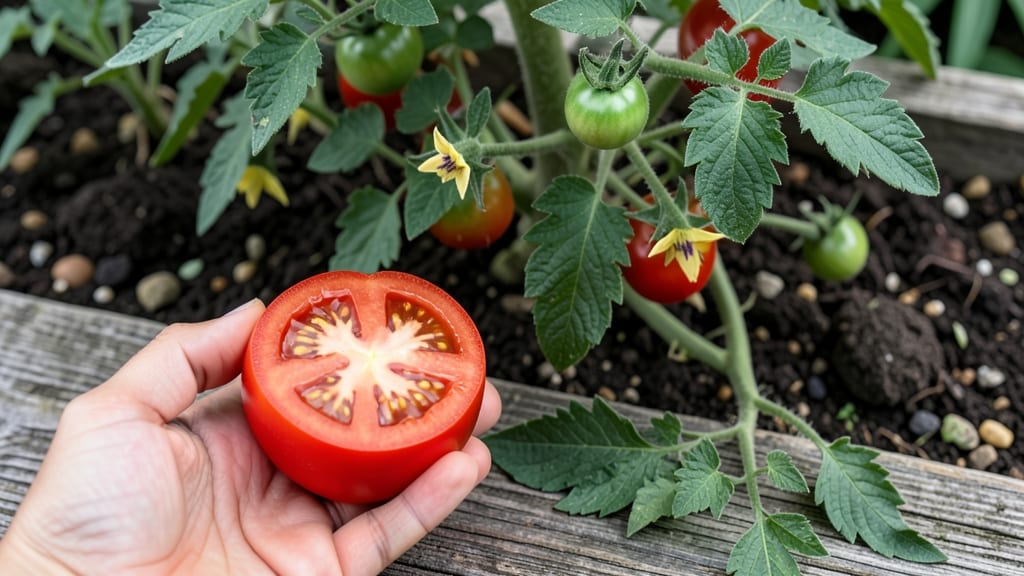
Are tomato plants poisonous? Yes, they contain toxic compounds in their raw leaves, stems, and unripe fruit that can cause nausea, dizziness, or digestive upset in pets and humans. Only fully ripe, cooked tomatoes are safe to eat.
Tomato plants produce natural toxins like solanine and tomatine, which are most concentrated in green parts. 🌱 These compounds act as a defense mechanism against pests and can trigger symptoms ranging from mild stomach discomfort to more severe reactions in sensitive individuals.
The good news? Cooking breaks down these toxins, making ripe red tomatoes a safe and nutritious food source when prepared properly.
For gardeners and pet owners, this means keeping plants out of reach—especially the leaves and stems that pets might chew. If ingestion occurs, watch for vomiting or lethargy and contact a vet immediately. Proper harvesting (waiting for full ripeness) and cooking methods eliminate these risks entirely.
💡 In This Article
- Toxic Components in Tomato Plants and Their Effects
- Safe Handling and Gardening Tips for Tomato Plants
Toxic components in tomato plants and their effects
The primary toxins in tomato plants are solanine and tomatine, glycoalkaloids that act as natural pesticides. Solanine concentrations peak in green parts—leaves and stems—at 0.2-0.5 mg/g, while ripe fruit contains trace amounts (0.005 mg/g).
These compounds disrupt cellular function by binding to acetylcholine receptors in the nervous system, mimicking neurotransmitters and causing confusion or muscle weakness.
Green tomatoes contain 2-5x more solanine than ripe ones, making them riskier. Studies show that ingesting 100-200 mg of solanine (about 10-20 green leaves) can trigger symptoms in adults, while children may react to smaller amounts.
The toxin's bitter taste often deters consumption, but pets like cats and dogs lack this instinctual aversion.
Cooking reduces solanine by 50-90% through heat breakdown, which is why fully ripe, cooked tomatoes are safe.
The skin contains higher concentrations than flesh, so peeling further minimizes risk. 🌿 For perspective, a 100g serving of green tomato skin might contain 0.1-0.3 mg solanine, while ripe tomato skin has negligible amounts.
Symptoms of poisoning typically appear within 6-24 hours and include nausea, vomiting, or dizziness. Severe cases (rare) may involve hallucinations or paralysis, though these require ingestion of 500+ mg solanine.
The body metabolizes solanine within 24-48 hours, but immediate medical attention is critical for pets or children exposed to large quantities.
Ripeness directly correlates with safety: ripe tomatoes contain 90% less solanine than green ones. This is because the plant redirects resources from toxin production to fruit maturation. The red pigment lycopene in ripe tomatoes also has antioxidant properties that neutralize some of the toxin's effects.
For gardeners, this means harvesting only fully red fruit and composting green parts away from pets. The toxin's instability in light also means storing tomato plants in indirect sunlight reduces solanine levels over time. 💡