
Planting
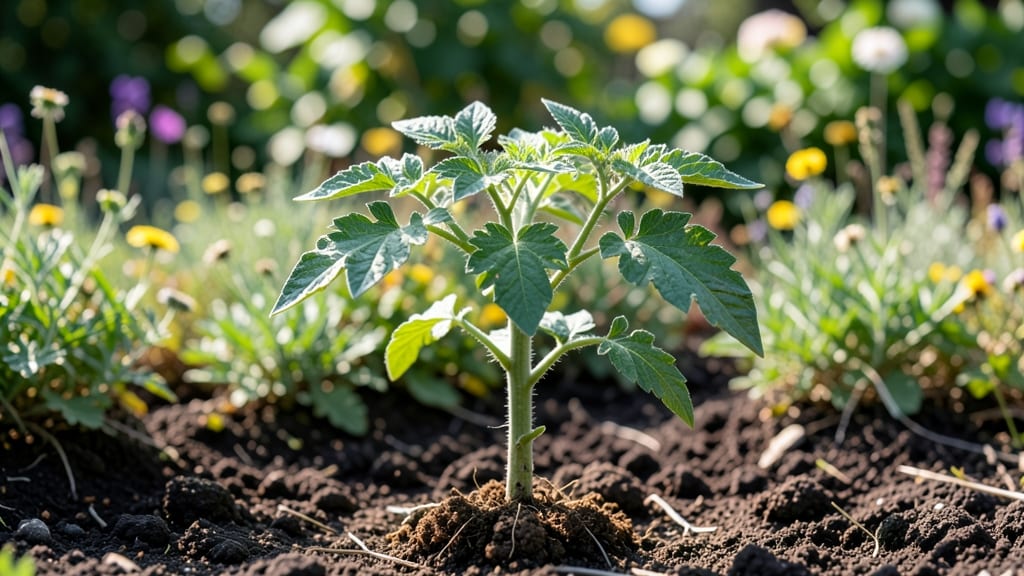
Nothing beats the thrill of watching a baby tomato plant grow into a vine heavy with sun-ripened fruit. 🌱 I've learned that the key to abundant harvests starts with choosing heat-resistant varieties and giving them the right care from the very beginning.
The first two weeks after transplanting are critical—keep soil consistently moist but never soggy, and protect young plants from afternoon sun if your climate gets scorching.
Use a balanced fertilizer every two weeks to encourage strong root growth, and watch for early signs of pests like aphids on the undersides of leaves. By the time your plants reach 12 inches, they'll be ready for stakes or cages, and you'll see the first blossoms appear.
Prune suckers regularly to focus energy on fruit production, and you'll be rewarded with tomatoes that outperform store-bought varieties in both quantity and flavor. This method works for both backyard gardens and container setups. Let's get those seedlings thriving!
📚 In This Guide
- What you need
- Instructions
- Tips and common mistakes
- Wrapping up and next steps
What you need
- ● Heat-resistant tomato seeds or seedlings: Choose varieties like Solar Fire, Heatmaster, or Sun Gold (3-5 plants for a small harvest, 6+ for a larger yield).
- ● Well-draining potting mix: 10-20 lbs (for containers) or enrich your garden soil with compost (aim for 6-8 inches depth).
- ● Containers (if gardening in pots): 5-gallon buckets or fabric grow bags (minimum 12-inch diameter per plant).
- ● Organic fertilizer: Balanced 10-10-10 or tomato-specific fertilizer (follow package rates for application).
- ● Mulch: Straw or black plastic (to retain moisture and regulate soil temp).
- ● Gloves & trowel: For planting and soil prep.
- ● Watering can or hose with gentle nozzle: Avoid overwatering—tomatoes hate soggy roots!
- ● Stakes or cages: 6-foot tall (for indeterminate varieties).
- ● Pruning shears: To trim suckers and encourage bushier growth.
- ○ pH test kit (optional): Ideal soil pH: 6.0–6.8.
- ● Sunlight: 6–8+ hours of direct sun daily (morning sun is best in hot climates).
- ● Warmth: Soil temp should be at least 60°F (15°C) before planting.
- ● Drainage: Ensure no standing water—tomatoes despise wet feet!
Step-by-Step guide to growing heat-resistant baby tomato plants
Here’s how to nurture strong, productive tomato starts that thrive in hot climates.
🌱 Step 1: Choose the Right Heat-Resistant Varieties
Pick varieties bred for heat tolerance like ‘Solar Fire,’ ‘Heatmaster,’ or ‘Celebrity.’ These handle temperatures above 90°F without wilting. Avoid thin-skinned types—they crack easily in heat. I always check seed packets for “heat-tolerant” labels before buying.
If starting from seed, plant 6-8 weeks before last frost in your zone. Heat-resistant varieties still need time to establish roots before summer’s intense sun. Use a seed-starting heat mat to keep soil at 75-85°F for faster germination.
🪴 Step 2: Prepare Containers or Garden Beds
Tomatoes need deep roots, so use 5-gallon containers or plant in garden beds with 12-18 inches of loose soil. Fill pots with a mix of 50% potting soil and 50% compost—this improves drainage while retaining moisture. Avoid garden soil; it compacts and suffocates roots.
Add a slow-release fertilizer (like 10-10-10) at planting time. Work it into the bottom 2 inches of soil so roots can access nutrients immediately. Place a mulch layer (straw or shredded leaves) on top to keep soil cool and retain moisture.
☀️ Step 3: Provide Strategic Sun and Water Management
Tomatoes love full sun, but in extreme heat, they need afternoon shade to prevent sunscald. Use shade cloth (30-50%) on the west side of plants when temps hit 95°F. You’ll know it’s working when leaves stay dark green instead of bleaching.
Water deeply twice a week—soak until water runs out the drainage holes. Avoid wetting leaves to prevent fungal diseases. I set a timer to water early morning (6-8 AM) so foliage dries before evening humidity sets in.
💧 Step 4: Support and Prune for Heat Resilience
Install sturdy cages or stakes at planting time. Heat-stressed plants need support to avoid breaking. Prune suckers (the shoots in the leaf junctions) to improve airflow and reduce stress. I remove only the lower suckers to keep foliage dense enough for shade.
Pinch off flowers when plants are small—this redirects energy to root and stem growth. Once plants are 18 inches tall, let them flower. Heat-resistant varieties will still produce fruit in 90°F+ temps, but yields drop if stressed too early.
✂️ Step 5: Harvest and Extend the Season
Pick tomatoes when fully colored and slightly soft—this encourages more fruit. Heat-resistant varieties like ‘Solar Fire’ ripen even in 100°F heat, but they may stay firm longer. Store unripe fruit in a cool, dark place to finish ripening.
To extend harvests, succession plant every 2-3 weeks in warm climates. Use black plastic mulch to warm soil early in spring, then switch to reflective mulch (like silver) in peak summer to reduce soil temps. This keeps roots from overheating.
Tips & tricks for growing heat-resistant baby tomato plants
Took me years to figure out these tricks after losing multiple tomato crops to summer heat—here’s how to keep yours thriving.
Heat-Tolerant Variety Selection: Beyond just picking ‘Solar Fire’ or ‘Heatmaster,’ look for seed packets labeled “heat-tolerant” AND “disease-resistant.” These double-resistant varieties handle both extreme temps AND fungal pressure better. I’ve had the most success with ‘Heatmaster’ in my Zone 9 garden—it produces fruit even when temps hit 100°F.
Soil Temperature Hack: The 75-85°F soil temp range in Step 1 is non-negotiable for germination. If your seed-starting area runs cooler, place containers on top of a refrigerator (not inside!) to create a warm microclimate. I use an old mini-fridge with the door removed—it keeps soil consistently warm without overheating.
Watering Strategy: Those “deeply twice a week” instructions work, but here’s the real trick: water at the base using a soaker hose or drip irrigation. This prevents wetting leaves (which causes disease) while ensuring moisture reaches the deep roots. I set my timer for 6 AM to avoid evening humidity that invites fungal problems.
Pruning Insight: When you’re removing only the lower suckers in Step 4, think of it as creating an “airy umbrella” for your plant. This improves airflow AND helps shade the fruit from direct afternoon sun. I prune every 2 weeks during peak summer to maintain this structure—it makes a noticeable difference in fruit quality.
Pro Tips for Baby Tomato Plant
- Took me years to figure out these tricks after losing multiple tomato crops to summer heat—here’s how to keep yours thriving.
- Heat-Tolerant Variety Selection: Beyond just picking ‘Solar Fire’ or ‘Heatmaster,’ look for seed packets labeled “heat-tolerant” AND “disease-resistant.”
- Soil Temperature Hack: The 75-85°F soil temp range in Step 1 is non-negotiable for germination.
Frequently asked questions
Got questions about growing baby tomato plants? You’re not alone! Here are some of the most common queries—plus practical answers to help you grow a thriving harvest.
What’s the best temperature range for growing baby tomato plants?
Baby tomatoes thrive in warm but not scorching conditions. Ideal daytime temps are 70–85°F (21–29°C), while nights should stay above 55°F (13°C). If temps dip below 50°F (10°C), growth slows or stops. Heat-resistant varieties (like ‘Tiny Tim’ or ‘Micro Tom’) handle 90°F+ (32°C+) better but still need shade during peak afternoon sun. Pro tip: Use mulch to regulate soil temps!
How long does it take for baby tomato plants to produce fruit?
Most baby tomato varieties mature faster than full-sized tomatoes—typically 50–65 days from transplanting to harvest. Dwarf or cherry types (like ‘Tumbling Tom’) may fruit in as little as 45 days with proper care. Patience is key: Focus on consistent watering, sunlight (6–8 hours/day), and fertilizer (every 2–3 weeks) to speed up fruiting.
Can I grow baby tomatoes in containers, and what size pot do I need?
Baby tomatoes are perfect for containers—they don’t need deep roots. Use pots at least 5–7 gallons for bush varieties (like ‘Patio Princess’) or 3–5 gallons for trailing types (e.g., ‘Tumbling Tom’). Ensure pots have drainage holes and fill with well-draining potting mix. Place containers in full sun and fertilize regularly to compensate for limited soil volume.
Why are my baby tomato leaves turning yellow, and how do I fix it?
Yellowing leaves (a condition called chlorosis) usually signal overwatering, nutrient deficiency, or pests. Check these fixes:
- Watering: Let soil dry slightly between waterings—tomatoes hate soggy roots.
- Nutrients: Feed with a balanced fertilizer (10-10-10) or tomato-specific mix every 2 weeks.
- Pests: Inspect for aphids or spider mites; spray with neem oil if needed.
- pH: Test soil pH—ideal range is 6.0–6.8 for iron uptake.
Are baby tomatoes as flavorful as regular tomatoes, and how can I boost sweetness?
Baby tomatoes pack intense, sweet flavors—especially heat-resistant varieties like ‘Solar Fire’ or ‘Sun Gold.’ To maximize sweetness:
- Harvest when fully colored and slightly soft (don’t wait for red if growing heirlooms).
- Use organic mulch to retain moisture and reduce stress.
- Avoid over-fertilizing with nitrogen—it boosts leafy growth but reduces fruit sweetness.
- Try pruning suckers (side shoots) to redirect energy to fruit production.
Bonus: Let a few tomatoes ripen on the vine in full sun for the sweetest burst of flavor!
Wrapping up and next steps
Growing heat-resistant baby tomato plants is a rewarding journey that leads to juicy, flavorful harvests—even in scorching climates! 🌞 With the right varieties, proper care, and a little patience, you’ll enjoy fresh tomatoes straight from your garden.
Whether you’re a seasoned gardener or just starting, these resilient plants prove that summer heat doesn’t have to mean a harvest halt.
Now that you’re armed with knowledge, it’s time to roll up your sleeves and plant! Start by selecting your heat-resistant favorites, prep your soil, and give those seeds or seedlings the love they deserve.
Before you know it, you’ll be savoring homegrown tomatoes—one delicious bite at a time. Happy gardening! 🍅✨