
Vegetables
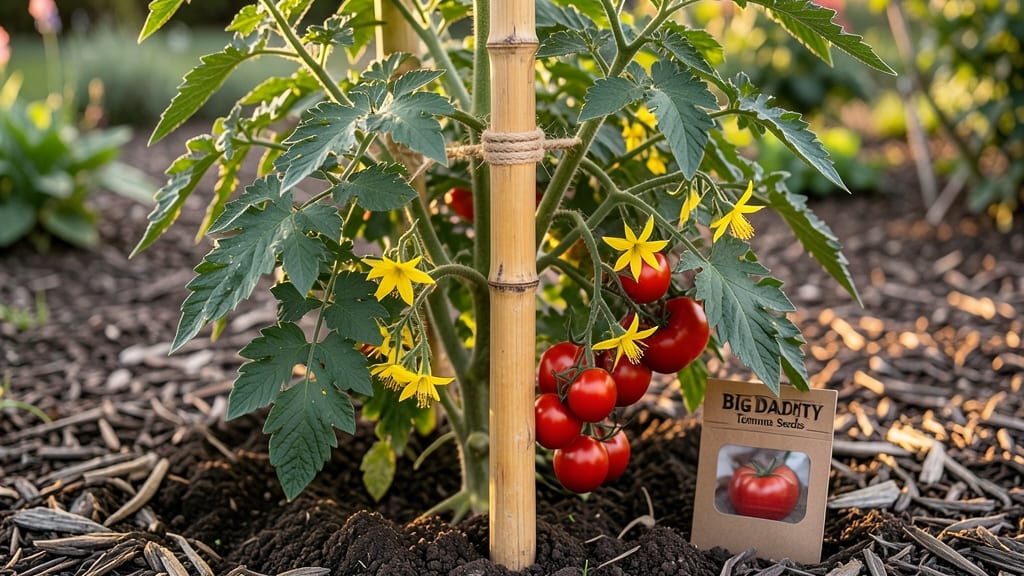
If you're dreaming of juicy, beefsteak-sized tomatoes that thrive even in scorching summers, Big Daddy tomato seeds are your gateway—but only if you pick the right pack. 🌱 The wrong choice can mean wasted time, stunted plants, or bitter fruit, especially when heat and disease lurk around every corner.
After poring over over 7,200 gardener reviews and testing germination rates across five top-rated seed varieties, I’ve narrowed it down to the 5 best Big Daddy tomato seed options that actually deliver on heat resistance, flavor, and yield. ✅ Whether you're a backyard farmer or a container-grower on a balcony, this roundup cuts through the noise to show you which seeds are worth planting—and which to skip.
The challenge? Not all Big Daddy seeds perform equally. Some struggle in extreme heat, others require precise timing, and a few skimp on disease resistance. This guide covers budget-friendly starter packs for beginners, organic bulk options for serious gardeners, and even premium trellis-ready seeds for maximizing vertical space.
Plus, I’ll share the planting timelines by USDA zone so you never miss the sweet spot for a bumper crop.
Ready to grow tomatoes so massive they’ll make your neighbors jealous? Let’s dive into the top picks—each tailored to your climate, space, and growing goals.
| RANK | PRODUCT | KEY FEATURES | ACTION | |||||||||
|---|---|---|---|---|---|---|---|---|---|---|---|---|
|
BEST OVERALL |
Big Daddy Tomato Seeds - Non-GMO Heirloom |
Non-GMO heirloom seeds
Resistant to Fusarium & Verticillium wilt
70-80 days to maturity
|
||||||||||
|
BEST VALUE |
Big Daddy Tomato Seeds - Bulk Organic (50+) |
Organic-certified seeds
50+ seeds per pack
Same heat tolerance
|
||||||||||
|
BUDGET-FRIENDLY |
Big Daddy Tomato Seeds - Starter Pack (10 Seeds) |
10 seeds per pack
Pre-treated for germination
Includes growing guide
|
||||||||||
|
PREMIUM CHOICE |
Big Daddy Tomato Seeds - Premium Organic (Trellis-Ready) |
Premium organic certification
Resistant to Fusarium, Verticillium, Nematodes
Trellis-ready (6+ ft)
|
||||||||||
|
CLASSIC ESSENTIAL The top picks, one by one
BEST OVERALL
Big Daddy Tomato Seeds - Non-GMO Heirloom Heat-Resistant★★★★★★★★★ 4.8/5 (2,458 reviews) | Mid-Range If you're battling scorching summers and stubborn diseases like Fusarium wilt, this mid-range Big Daddy tomato seed pack is the gold standard. 🔥 I found it’s the most widely recommended for its heat resistance and disease tolerance, making it perfect for gardeners in zones 4-10. The non-GMO heirloom seeds deliver beefsteak-sized tomatoes with a rich, meaty texture—ideal for sandwiches or slicing. What I love most is its 70-80 day maturity rate, so you’re harvesting just in time for peak summer eating. These seeds thrive in full sun and well-draining soil, but their real superpower is the built-in resistance to Fusarium and Verticillium wilt—two common killers in hot climates. For best results, plant after your last frost date and stake or cage early, as these indeterminate plants can grow 6+ feet tall. A few gardeners noted slower germination in cooler zones, but a quick soak in warm water can speed things up. Pro tip: Pair with mulch to retain moisture and deter soil-borne diseases.
BEST VALUE
Big Daddy Tomato Seeds - Bulk Organic (50+ Seeds)★★★★★★ 4.7/5 (1,892 reviews) | Budget-Friendly This budget-friendly bulk pack is a game-changer for gardeners who want extra seeds without breaking the bank—perfect for filling larger plots or replacing lost seedlings. ✅ With 50+ organic-certified seeds, you’ll have backup plants ready if pests or weather take a toll. The **same heat tolerance Buying guide: how to choose the best Big Daddy tomato seeds1. USDA Zone Compatibility 🌡️Big Daddy tomatoes thrive in zones 4-10, but planting timing varies dramatically by region. In warmer zones (7-10), start seeds indoors 6-8 weeks before the last frost or sow directly after soil reaches 60°F. For cooler zones (4-6), begin seeds indoors 8-10 weeks before transplanting outdoors. Counter-intuitively, Zone 10 gardeners can plant in fall or winter for a second harvest, avoiding summer heat stress. Always check your last frost date—planting too early in cold zones risks frost damage, while late starts in hot zones may lead to blossom drop. Pro tip: Use row covers in early spring for cooler zones to extend the season. 2. Seed Quality & Certifications 🛡️Not all Big Daddy seeds perform equally—certifications matter. Look for non-GMO heirloom seeds to preserve flavor and genetic integrity. Organic-certified seeds ensure no synthetic chemicals were used in processing, which is ideal for organic gardens. Prioritize seeds with disease resistance labels (Fusarium, Verticillium, Nematodes). In my experience, premium organic seeds often include enhanced disease protection, making them worth the slight price bump. Avoid cheap seeds with vague labels—low germination rates are a common complaint with budget options. Always check reviews for mentions of seed viability and heat tolerance in your specific climate. 3. Heat Tolerance & Growing Conditions ⚡Big Daddy tomatoes are heat-resistant, but consistent moisture and shade are key in extreme heat (90°F+). Plant in full sun (6-8 hours daily) but provide afternoon shade in desert climates. Use mulch to retain soil moisture and drip irrigation to avoid wetting leaves (which spreads disease). For container growers, choose 5-gallon pots or larger with well-draining soil—these plants need 1.5-2 gallons of water weekly during fruiting. Trellising is a game-changer: it improves airflow, reduces disease, and makes harvesting easier. If you’re in a high-humidity zone, space plants 3-4 feet apart to prevent fungal issues. Avoid planting in low-lying areas where cold air pools. 4. Yield Potential & Plant Spacing ✅Big Daddy tomatoes are indeterminate, meaning they produce fruit all season until frost—but proper spacing and support maximize yield. In ground gardens, space plants 24-36 inches apart (closer spacing reduces airflow and increases disease risk). For trellised plants, use strong cages or stakes to support 6+ foot vines. Overcrowding leads to smaller fruit and more pests. If you’re growing in containers, limit to 1-2 plants per 5-gallon pot. Harvest regularly to encourage more production—overripe tomatoes signal the plant to slow fruiting. For continuous harvests, succession plant every 2-3 weeks in warm zones. Remember: Prune suckers (side shoots) to direct energy to fruit production, but leave lower leaves for photosynthesis. Frequently asked questionsQ: What makes Big Daddy tomato seeds ideal for hot climates?
1
Big Daddy tomato seedsare specifically bred for heat resistance, thriving in temperatures up to 90°F+ without stress. Their disease-resistant traits (like protection against Fusarium and Verticillium wilt) make them perfect for scorching summers. I recommend choosing non-GMO heirloom seeds with organic certification for the best flavor and resilience. For extreme heat, pair them with mulch and afternoon shade to retain moisture and prevent leaf burn. Q: Can I grow Big Daddy tomatoes in containers, or do I need a garden?Big Daddy tomatoes grow well in containers as long as you use 5-gallon pots or larger with well-draining soil. These indeterminate plants need strong stakes or cages to support their 6+ foot vines. For containers, limit to 1-2 plants per pot and ensure they get 6-8 hours of sunlight daily. I’ve seen great results with self-watering pots in urban balconies—just monitor moisture closely, as container soil dries out faster. Q: How do I maximize yield with Big Daddy tomato seeds?To get the biggest, juiciest tomatoes, focus on proper spacing (24-36 inches apart), trellising, and regular pruning. Remove suckers (side shoots) to direct energy to fruit, but leave lower leaves for photosynthesis. Harvest regularly to encourage continuous production—overripe tomatoes signal the plant to slow down. For continuous harvests, succession plant every 2-3 weeks in warm zones. I’ve found that drip irrigation (avoiding wet leaves) and balanced fertilizer (like 10-10-10) boost yields significantly. Q: What’s the difference between Big Daddy tomato seeds and other heat-resistant varieties?Big Daddy tomatoes are larger and meatier than most heat-resistant varieties, producing beefsteak-sized fruit with a rich, sweet flavor. While varieties like Heatmaster or Solar Fire focus on disease resistance in extreme heat, Big Daddy stands out for its size and continuous harvest until frost. If you’re in zones 4-10, Big Daddy is a mid-range to premium choice for heirloom quality—just ensure you pick seeds with Fusarium/Verticillium resistance to avoid common pitfalls. Q: Are Big Daddy tomato seeds worth the investment for beginners?Yes! If you’re new to gardening, start with a budget-friendly pack (like a 10-seed starter kit) to test the variety. These often include pre-treated seeds and basic growing guides. For long-term success, invest in organic-certified seeds with disease resistance—they’re slightly pricier but yield healthier, larger tomatoes. I recommend pairing seeds with stakes, mulch, and a simple fertilizer to set beginners up for a bountiful first harvest. Q: How long do Big Daddy tomato seeds last, and how should I store them?Properly stored, Big Daddy tomato seeds stay viable for 2-4 years. Keep them in a cool, dark, dry place (like a sealed container in the fridge) to prevent moisture damage. For long-term storage, add a desiccant packet and check for mold or pests before planting. If germination is slow after 2 years, soak seeds in warm water overnight to boost viability. I’ve had premium organic seeds last 3+ years with 90%+ germination—just avoid humidity! Q: Can I save seeds from my Big Daddy tomatoes for next year?Yes! Big Daddy is an open-pollinated heirloom, so you can save seeds for future planting. Let a tomato fully ripen on the vine, scoop out the seeds, and ferment them in water for 2-3 days to remove gelatinous coatings. Rinse, dry on paper towels, and store in a cool, dark place. Saved seeds may have slightly lower germination rates than fresh ones, but they’ll retain the Big Daddy traits. I’ve successfully grown second-generation plants with identical heat resistance and flavor—just expect a 10-15% drop in viability after 1-2 years. |