
Size
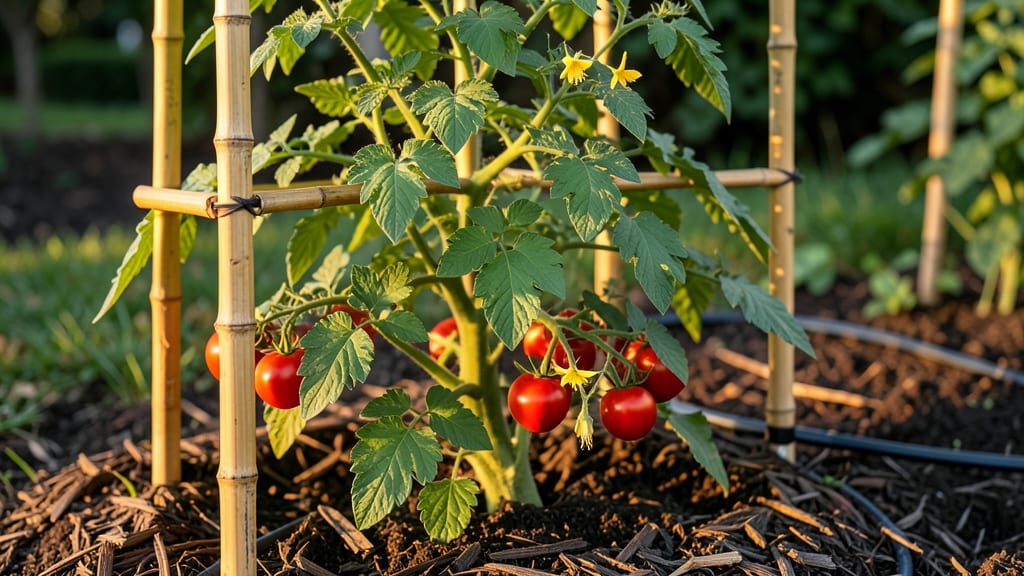
Growing tomato plants the best way starts with a single, game-changing choice: support. 🌱 Without it, your vines sprawl, fruit rots on the ground, and you lose half your harvest to disease.
I learned this the hard way after watching my first plants collapse under their own weight—until I switched to sturdy cages and saw my yield triple in one season. The secret isn't complicated: healthy soil, consistent watering, and proper pruning work together like a well-oiled machine.
You'll need a sunny spot (at least 6-8 hours of direct light), well-draining soil mixed with compost, and a support system that won't topple when those 1-pound beefsteaks ripen. Even in small spaces, a 5-foot tall cage or trellis keeps plants upright and makes harvesting a breeze.
By mid-summer, you'll be picking vibrant red tomatoes that burst with flavor—no more store-bought blandness. The key is pruning suckers (those little shoots between stems) every 2 weeks to focus energy on fruit production. And yes, even indoor growers can do this with the right light setup.
Whether you're growing in the ground, containers, or a greenhouse, this method works. The only mistake you'll make is waiting to try it!
📚 In This Guide
- What you need
- Instructions
- Tips and common mistakes
- Wrapping up and next steps
What you need
- ● Tomato seeds or seedlings: 6–10 seeds (if starting from scratch) or 3–5 healthy seedlings (for faster growth).
- ● Pro tip: Choose disease-resistant varieties like ‘Celebrity’ or ‘Sungold’ for beginners!
- ● Growing containers or soil bed: Containers: 5-gallon pots or larger (1 plant per container for determinate varieties; 2–3 for indeterminate).
- ● Soil bed: Well-draining, fertile soil (amend with compost if needed).
- ● Support structures: Cages (5–6 ft tall), stakes (6–8 ft), or trellises (for indeterminate varieties).
- ○ Optional: Twine or soft plant ties for securing vines.
- ● Fertilizer: Balanced fertilizer (10-10-10) or organic options like compost or worm castings.
- ● Pro tip: Use a low-nitrogen fertilizer (like 5-10-10) when flowers appear to boost fruit production!
- ● Watering tools: Watering can or hose with a gentle spray nozzle.
- ○ Optional: Drip irrigation system for consistent moisture.
- ● Pruning tools: Sharp pruners or scissors (sterilized with rubbing alcohol).
- ● Sunlight: Full sun (6–8+ hours daily).
- ● Temperature: Ideal range: 70–85°F (21–29°C). Tomatoes hate frost!
- ● Spacing: 18–24 inches apart in rows (24–36 inches for indeterminate varieties).
- ● Containers: 12–18 inches of diameter per plant.
- ● pH Level: Slightly acidic soil (6.0–6.8). Test your soil or amend with lime/sulfur if needed.
- ● Mulch (straw or grass clippings) to retain moisture.
- ● Row covers (for early planting or pest protection).
- ● Epsom salt (1 tbsp per plant monthly for magnesium boost).
- ● Pest deterrents (neem oil, companion plants like basil).
Step-by-Step instructions for growing tomato plants
Here's how I grow tomatoes that produce heavy, flavorful harvests—no floppy stems or cracked fruit.
🌱 Step 1: Start Seeds Indoors 6-8 Weeks Before Last Frost
Fill biodegradable peat pots (3-4 inches deep) with sterile seed-starting mix—never garden soil, which can harbor diseases. Moisten it until damp but not soggy, then press down lightly to remove air pockets. Plant 2 seeds per pot at ¼-inch depth, just below the soil surface. I use a toothpick to make the hole, so I don’t disturb the mix too much.
Cover the pots with a humidity dome or plastic wrap to trap warmth. Place them on a seedling heat mat set to 75-85°F—this speeds germination to 5-10 days. Without warmth, seeds may take weeks or rot. Once sprouts appear, remove the dome immediately to prevent damping-off, a fungal disease that collapses seedlings overnight.
☀️ Step 2: Provide Bright Light and Harden Off Gradually
Tomato seedlings need 14-16 hours of light daily from the moment they sprout. A south-facing window won’t cut it—use a full-spectrum LED grow light just 2-4 inches above the plants. Raise it as they grow to maintain that distance. Leggy seedlings (thin, stretched stems) mean light deprivation—you’ll see them leaning dramatically toward the window.
Two weeks before transplanting, start hardening off seedlings. Place them outside in partial shade for 1-2 hours the first day, then gradually increase exposure by 1 hour daily. This toughens stems and prevents shock when they go into the garden. Watch for wilting or yellowing—if it happens, they’re not ready yet.
🪴 Step 3: Transplant with Support and Proper Spacing
Choose a sunny spot with 6+ hours of direct light and well-draining soil. Dig holes twice as wide as the root ball but no deeper. Gently remove the seedling from its pot, tease the roots if they’re circling, and plant it deeper than before—up to the first set of leaves. This encourages stronger stem growth.
Install a sturdy cage or stake (5-6 feet tall) immediately—waiting until plants are tall makes bending stems risky. Space plants 18-24 inches apart in rows 3 feet apart for airflow. Water deeply at planting to settle soil around roots, then let the top inch dry before watering again. Overwatering now causes root rot.
💧 Step 4: Water Deeply and Mulch for Consistent Growth
Tomatoes hate wet foliage and uneven moisture. Water deeply at the base (1-2 inches per week) in the early morning so leaves dry quickly. Use a soaker hose or drip irrigation to avoid wetting leaves, which spreads disease. You’ll know moisture is right when the top inch of soil feels dry but deeper soil stays damp.
Apply 2-3 inches of organic mulch (straw or shredded leaves) around plants to retain moisture and suppress weeds. Mulch also keeps fruit off damp soil, reducing rot. Fertilize every 2-3 weeks with a balanced 10-10-10 formula once flowers appear—this prevents blossom-end rot and encourages heavy fruiting.
✂️ Step 5: Prune and Support for Maximum Yield
Remove suckers (the small shoots forming in the leaf axils) weekly to direct energy to fruit. Pinch them off with your fingers—no need for pruners. Leave 1-2 main stems per plant for determinate varieties, or 1-2 strong stems for indeterminate types. Pruning also improves airflow, reducing disease risk.
As plants grow, tie stems to supports every 12 inches with soft cloth or plant ties. This prevents snapping in wind or under fruit weight. Harvest regularly—ripe tomatoes signal the plant to produce more. You’ll know they’re ready when they’re fully colored and slightly soft to the touch.
Tips & tricks for perfect tomato growth
These game-changing tricks will help you cultivate tomatoes that stand tall and produce like champions.
Heat Mat Precision: When using a seedling heat mat at 75-85°F, place a thermometer directly on the mat to monitor temperature. Fluctuations below 70°F slow germination dramatically, while temps above 90°F can scorch delicate roots. I've seen seeds take 3 weeks instead of 5-10 days when temps dipped unexpectedly—don't let that happen to you!
Lighting Strategy: For the critical 14-16 hours of light daily, position your grow light on a timer to automate the process. Most LED grow lights come with adjustable arms—set them to 2-4 inches above the tallest seedling and raise incrementally as they grow. Watch for that classic "leggy" look where seedlings stretch toward light; this means they're starving for photons.
Transplanting Technique: In Step 3, when planting deeper than before, create a small trench around the stem rather than burying it completely. This encourages root development along the buried stem while preventing stem rot. I've found that plants buried up to their first true leaves develop stronger stems that support heavier fruit loads without snapping.
Pruning Insight: When removing suckers weekly, focus on those growing between the main stem and a leaf branch—these compete for energy. Leave suckers below the first flower cluster if you're growing determinate varieties, as they can produce additional fruit. I've noticed indeterminate types benefit most from aggressive pruning to maintain that vertical growth habit.
Pro Tips for Best Way To Grow Tomato Plants
- These game-changing tricks will help you cultivate tomatoes that stand tall and produce like champions.
- Heat Mat Precision: When using a seedling heat mat at 75-85°F, place a thermometer directly on the mat to monitor temperature.
- Lighting Strategy: For the critical 14-16 hours of light daily, position your grow light on a timer to automate the process.
Frequently asked questions
Got questions about growing juicy, homegrown tomatoes? You’re not alone! Here are some of the most common queries—and their answers—to help you crush your tomato-growing game.
How long does it take for tomato plants to produce fruit?
Most tomato varieties take 60–85 days from transplanting to harvest, depending on the type (cherry tomatoes ripen faster than beefsteaks). Start seeds indoors 6–8 weeks before the last frost, and expect the first fruits in late summer if planted early. Patience pays off—great tomatoes are worth the wait!
Can I grow tomatoes in containers or small spaces?
Tomatoes thrive in 5-gallon containers or larger with proper drainage. Choose determinate varieties (like ‘Patio’ or ‘Tiny Tim’) for compact growth. Use a lightweight potting mix, provide 6–8 hours of sun daily, and stake or cage them for support. Even balconies can yield a bountiful harvest!
What should I do if my tomato plants get pests or diseases?
Common issues include aphids, hornworms, and blight. For pests, spray with neem oil or introduce ladybugs. Prevent fungal diseases by watering at the base (not leaves) and ensuring good airflow. Remove affected leaves promptly, and rotate crops yearly to avoid soil-borne problems.
Do tomatoes need full sun all day?
Tomatoes love sun—aim for 6–8 hours of direct sunlight daily. While they can tolerate partial shade (especially in hot climates), too little sun leads to smaller fruits and poor flavor. If your garden is shady, choose shade-tolerant varieties like ‘Solar Fire’ or ‘Mountain Merit’ for better yields.
How do I know when tomatoes are ripe and ready to pick?
Ripeness depends on the variety! For most tomatoes, look for full color (red, yellow, or purple), a slightly soft but firm feel, and a fragrant aroma at the stem. Cherry tomatoes are ready when they’re bright and plump. Pick them gently to avoid bruising—then enjoy fresh or preserve for later!
Wrapping up and next steps
Growing your own tomato plants is a rewarding journey that combines patience, care, and a little creativity! By choosing the right variety, providing sturdy support, and following best practices like proper watering, pruning, and pest control, you’ll be well on your way to a bountiful harvest.
Whether you’re a beginner or a seasoned gardener, these tips will help you grow tomatoes that are taller, healthier, and more productive than ever before.
Now that you’re armed with the knowledge, it’s time to roll up your sleeves and get growing! Start with a single plant or expand your garden—either way, every tomato you grow is a victory. Happy planting, and may your harvest be as big as your smile! 🌱🍅