
Companion Plants
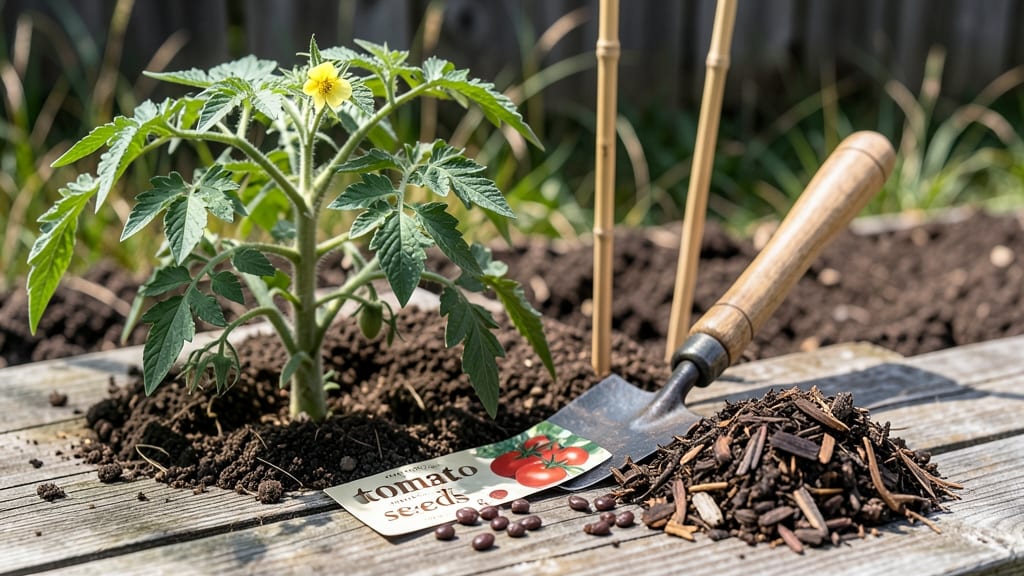
You can plant tomato seeds directly in the ground in warm climates or late spring, but only when soil temperatures stay above 60°F, with consistent moisture and frost protection. For cooler regions, starting seeds indoors 6-8 weeks earlier ensures stronger seedlings.
Direct sowing works best when soil stays warm enough to trigger germination, which typically means waiting until after the last frost date in your area. 🌱 The key challenge is giving seedlings enough time to establish roots before cooler weather sets in—something indoor starts avoid entirely.
I've found that using row covers or cold frames can extend the outdoor planting window by 2-3 weeks in marginal climates, giving those delicate seedlings a fighting chance against unpredictable spring temperatures.
Another advantage of direct sowing is that it lets tomato plants develop stronger root systems right where they'll grow, reducing transplant shock. However, this method demands vigilance: uneven moisture can cause seeds to rot before sprouting, while sudden cold snaps can kill young plants overnight.
For best results, I recommend testing soil temperature with a thermometer and preparing a sunny, well-draining spot with compost-rich soil before planting.
💡 In This Article
- Ideal Conditions for Direct Tomato Seed Sowing
- Step-by-Step Guide to Direct Tomato Seed Planting
Ideal conditions for direct tomato seed sowing
Tomato seeds need soil temperatures above 60°F to germinate because their metabolic processes activate only when enzymes in the seed coat begin breaking down at this threshold. Below this temperature, the seeds remain dormant—even if moisture is present—because the biochemical reactions required for sprouting slow to a crawl.
In my experience, seeds planted in 50°F soil might take 3-4 weeks to germinate (if at all), while the same seeds in 70°F soil sprout in just 5-7 days. This temperature sensitivity explains why direct sowing fails in cooler climates unless you use season extenders.
The 60°F rule isn't just about speed—it's about survival. Young tomato seedlings are frost-sensitive, with their delicate leaves freezing at 32°F or below. Even a light frost can kill seedlings overnight, leaving you with no harvest.
That's why gardeners in USDA zones 3-6 typically wait until after the last frost date (which can be as late as June in northern regions) before attempting direct sowing.
In warmer zones (7-10), you can plant as early as February or March, giving vining varieties like 'Celebrity' or 'Sungold' months to mature before summer heat arrives.
Moisture plays an equally critical role. Tomato seeds need consistent dampness to stay hydrated during germination, but they'll rot if submerged in waterlogged soil. The ideal moisture level is like a wrung-out sponge—damp but not soggy.
I've found that planting seeds ¼ inch deep in well-draining soil and covering them with a thin layer of vermiculite helps maintain even moisture while preventing compaction. Overhead watering can also dislodge seeds, so a gentle spray or drip irrigation works best.
In dry climates, mulching with straw after germination reduces evaporation and keeps roots cool.
Climate zones also dictate timing and variety selection. In the Pacific Northwest, where spring soils warm slowly, gardeners often plant heat-tolerant varieties like 'Heatmaster' or 'Solar Fire' directly in late May or early June.
Meanwhile, in Florida's zone 9-10, you can sow seeds in January for fall harvests, avoiding the summer's extreme heat. The key is matching your planting window to your local frost-free period—typically 120-150 days for most tomato varieties—while ensuring soil stays warm enough for consistent germination.
One often-overlooked factor is light. Tomato seedlings need 12-16 hours of sunlight daily to prevent leggy growth, which weakens stems and reduces yield. In shaded garden spots, direct-sown seeds may stretch toward light, becoming spindly and prone to breaking.
That's why I recommend choosing a south-facing location with at least 6-8 hours of direct sun, even if it means sacrificing a shadier but prettier part of the garden. You can also use reflective mulch (like silver plastic) to bounce extra light onto seedlings during cloudy periods.
Finally, soil composition matters. Tomatoes thrive in slightly acidic soil (pH 6.2-6.8) with good drainage. Heavy clay soils retain too much moisture, causing root rot, while sandy soils dry out quickly. Amending with compost or aged manure before planting improves both structure and nutrient availability.
I've seen direct-sown tomatoes in amended soil grow 20-30% faster than in unamended beds, thanks to better root development and disease resistance.