
Companion Plants
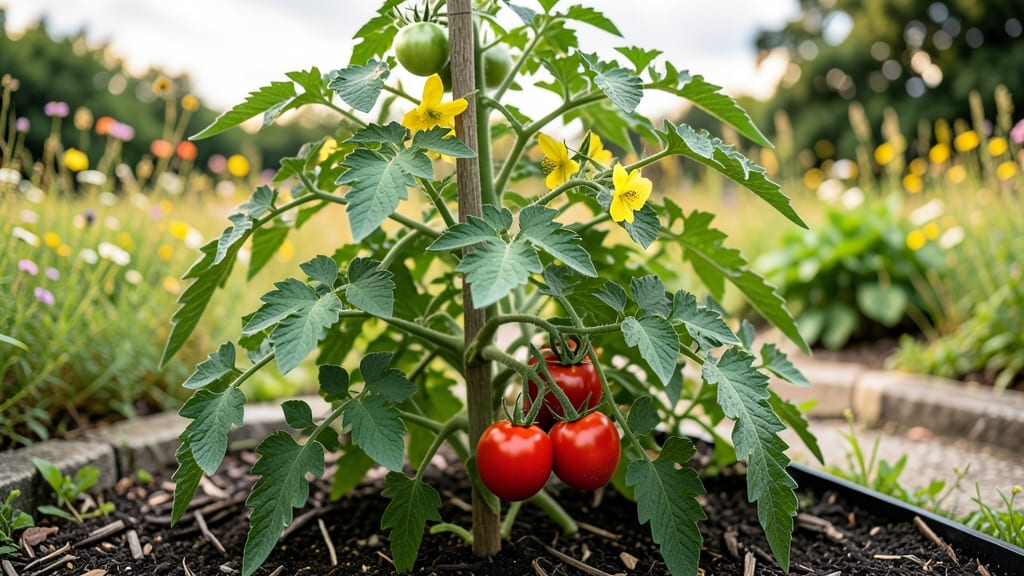
Growing Big Beef tomato plants means slicing through the heat to harvest 2-pound monsters that put store-bought tomatoes to shame. 🌱 I’ve grown these beefsteaks for years, and they’ve never failed to deliver—even in summers that push 100°F. The secret isn’t just patience; it’s matching their needs to the conditions they thrive in, from soil to sunlight.
These plants aren’t fussy, but they do demand deep, well-draining soil mixed with compost and a sturdy cage or trellis—they can get 6 feet tall and weigh down flimsy supports.
Start seeds indoors 8-10 weeks before last frost, then transplant after soil warms to 60°F, and watch them take off. The key is consistency: water at the base deeply 1-2 times per week, never letting the soil dry out completely.
By midsummer, you’ll be harvesting glossy, meaty slices perfect for sandwiches or grilling. Prune suckers regularly to focus energy on fruit, and pinch off early blooms if nights stay cool—you want those tomatoes forming when temps are steady. The payoff?
A plant that keeps producing until frost, with fewer cracks and better flavor than most hybrids. Works in zones 4-10, though heat lovers in the South may need afternoon shade. The biggest mistake? Skipping the trellis—trust me, you’ll regret it when vines flop.
Here’s how to set them up for success from day one.
📚 In This Guide
- What you need
- Instructions
- Tips and common mistakes
- Wrapping up and next steps
What you need
- ● Big Beef tomato seeds or seedlings: Purchase from a reputable supplier (e.g., 3–5 plants for a small garden or 10+ for larger yields).
- ● Well-draining potting mix or garden soil: 5–10 gallons per plant (or a 5-gallon container for container gardening). Pro tip: Amend with compost for nutrients!
- ● Fertilizer: Balanced organic fertilizer (10-10-10) or tomato-specific feed (follow package rates).
- ● Support system: 6–8 ft tall stakes or cages (Big Beef vines can reach 6+ ft!).
- ● Mulch: Straw or black plastic to retain moisture and suppress weeds.
- ● Watering can or hose with a gentle nozzle: Big Beef plants need consistent moisture (1–2 inches per week).
- ● Garden trowel or transplanting shovel for planting.
- ● Pruning shears to remove suckers and dead leaves.
- ● Sunny location: 6–8 hours of direct sunlight daily (heat-resistant varieties like Big Beef thrive in warm climates!).
- ○ Optional but helpful: Drip irrigation system for efficient watering.
- ● Shade cloth (30–50%) for seedlings or extreme heat protection.
- ● Companion plants (basil, marigolds) to deter pests.
Step-by-step guide to growing Big Beef tomato plants
Here's how to cultivate those legendary, heat-loving Big Beef tomatoes that deliver sweet, beefsteak-sized fruit all season.
🌱 Step 1: Select and Prepare Heat-Resistant Seedlings
Start with certified disease-resistant Big Beef seedlings from a reputable nursery. These plants thrive in heat but need strong genetics to resist common tomato diseases like fusarium wilt. I always choose transplants that are 8-12 inches tall with 4-5 sets of leaves—they've already built root systems that handle transplant shock better than smaller starts.
Before planting, harden off seedlings by placing them outdoors in partial shade for 3-5 days, gradually increasing exposure. You'll know they're ready when they show no signs of wilting after a full day outside. This toughens their cell walls so they don't get sunburned when you transplant them into full sun.
☀️ Step 2: Plant in Full Sun with Proper Spacing
Choose a location that gets at least 8 hours of direct sunlight daily, with afternoon shade in extremely hot climates. Big Beef tomatoes need 3-4 feet of space between plants to support their sprawling vines and heavy fruit loads. I always add a 3-4 inch layer of compost to the planting hole to improve drainage and provide nutrients.
Plant seedlings 1-2 inches deeper than their original pot level—this encourages stronger root development along the buried stem. Gently tamp the soil around the base to eliminate air pockets, then water deeply to settle everything. The soil should feel moist 6 inches down—this ensures roots establish quickly in their new home.
🪴 Step 3: Provide Support and Prune Strategically
Install a 6-8 foot tall tomato cage or sturdy stake immediately after planting. Big Beef vines grow aggressively and need support to prevent fruit rot from touching the ground. I use wooden stakes because they last longer than plastic and provide better stability for heavy fruit loads.
Prune suckers (the small shoots that form in the leaf axils) regularly to direct energy into fruit production. Remove any leaves that touch the soil to prevent disease. The goal is to keep the plant's energy focused on 6-8 main stems with strong fruit clusters. You'll notice the plant grows more upright and produces larger fruit when you maintain this structure.
💧 Step 4: Water Deeply and Consistently
Water Big Beef plants at the base 1-2 inches per week, adjusting for rainfall. The key is deep, infrequent watering that encourages deep root growth. I always water in the early morning to reduce evaporation and fungal risks. Avoid wetting the leaves to prevent diseases like early blight.
Mulch with 3-4 inches of organic mulch (like straw or shredded leaves) to retain moisture and regulate soil temperature. You'll see fewer cracks in the fruit and more consistent growth when the soil stays evenly moist. During heatwaves, add 2-3 inches of mulch to keep roots cool and prevent wilting.
✂️ Step 5: Fertilize and Monitor for Pests/Diseases
Feed plants every 3-4 weeks with a balanced tomato fertilizer (10-10-10 or 5-10-10). Big Beef tomatoes are heavy feeders and need consistent nutrients to produce their massive fruit. I always mix fertilizer into the soil rather than applying it to the surface to prevent root burn.
Watch for common tomato pests like hornworms and aphids. I use neem oil as a preventative spray every 2 weeks during peak growing season. Remove any yellowing or spotted leaves immediately to prevent disease spread. The goal is to keep the plant healthy enough to support those 1-pound+ fruit that Big Beef is famous for.
Tips & tricks for perfect Big Beef tomato plants
Real talk: These heat-resistant giants don't tolerate mistakes—they demand precision. Here's what I've learned after watching my first batch struggle through a scorching summer.
Seedling Selection: Look for seedlings with a sturdy stem and deep green leaves—these are signs of vigorous root systems. Avoid plants with yellowing leaves or spots, as these indicate disease. I've found that seedlings with 5 sets of leaves (not just 4) establish better in hot climates because they've already built more leaf surface area for photosynthesis.
Transplant Timing: Never plant when temperatures exceed 85°F—Big Beefs hate sudden heat shock. I wait until evening to transplant, then immediately water deeply. The 3-5 day hardening process is non-negotiable; I've seen plants wilt dramatically when rushed into full sun. Test readiness by checking for wilting after a full day outside—if they bounce back, they're ready.
Support System: Wooden stakes outperform cages for Big Beefs because they handle the plant's weight better as fruit develops. Install your 6-8 foot stakes immediately after planting—waiting even a week means struggling to drive them in later. I tie vines to stakes every 12-18 inches using soft plant ties to prevent stem damage.
Heatwave Survival: When temperatures hit 95°F+, I increase mulch to 4 inches and water 2 inches per week (instead of 1-2). The extra mulch creates a cooler microclimate at the roots while preventing soil moisture loss. I also remove lower leaves that might touch hot mulch to avoid sunscald.
Pro Tips for Big Beef Tomato Plants
- Real talk: These heat-resistant giants don't tolerate mistakes—they demand precision.
- Seedling Selection: Look for seedlings with a sturdy stem and deep green leaves—these are signs of vigorous root systems.
- Transplant Timing: Never plant when temperatures exceed 85°F—Big Beefs hate sudden heat shock.
Frequently asked questions
about growing Big Beef tomato plants—because even the best gardeners need a little guidance! Here’s what you’ve been wondering:How tall can Big Beef tomato plants grow?
Big Beef tomatoes are indeterminate, meaning they can grow 6 to 10 feet tall (or more!) with proper support. Use sturdy cages, stakes, or trellises to keep them upright and maximize fruit production. Prune suckers regularly to encourage upward growth and better air circulation.
When should I plant Big Beef tomatoes for the best harvest?
Start seeds indoors 6–8 weeks before your last frost date or transplant seedlings outdoors after soil temps reach 55°F+. In warm climates, plant in early spring; in cooler areas, wait until late spring or early summer to avoid frost damage. They thrive in full sun (6–8+ hours/day)!
Are Big Beef tomatoes heat-tolerant?
Big Beef tomatoes are heat-resistant and perform well in 75–95°F temperatures. However, extreme heat (100°F+) can stress plants—provide afternoon shade, mulch heavily, and keep soil consistently moist to prevent blossom drop or sunscald.
What’s the best way to support Big Beef tomato plants?
Use a 5–6 foot tall tomato cage, a sturdy wooden stake, or a trellis system to support their weight. For heavy yields, consider a Florida weave or cattle panel arch. Secure plants loosely to avoid damaging stems as they grow.
How do I prevent pests and diseases in Big Beef tomatoes?
Keep an eye out for hornworms, aphids, and whiteflies—handpick pests or use neem oil. For diseases like blight or early blight, rotate crops, space plants for airflow, and avoid overhead watering. Companion plants like basil, marigolds, or onions can also deter pests naturally!
Can I grow Big Beef tomatoes in containers?
Yes! Choose a 5-gallon+ container with drainage holes and fill it with high-quality potting mix. Ensure the pot gets full sun and is large enough to support the plant’s height. Dwarf varieties or pruned Big Beef plants work well in containers, but yields may be smaller than in-ground.
Wrapping up and next steps
Growing Big Beef tomato plants is a rewarding journey that delivers juicy, flavorful rewards—even in hotter climates! 🌞 With the right heat-resistant varieties, proper companion planting, and a little care, you’ll be harvesting towering, bountiful tomatoes in no time.
Whether you’re a seasoned gardener or just starting out, these tips will set you up for success.
Ready to take the next step? Start small—plant a few Big Beef varieties this season and experiment with companion plants like basil or marigolds to boost growth and flavor.
Before you know it, you’ll be sharing your homegrown tomatoes with neighbors and relishing the taste of a true garden triumph! 🍅✨