
Companion Plants
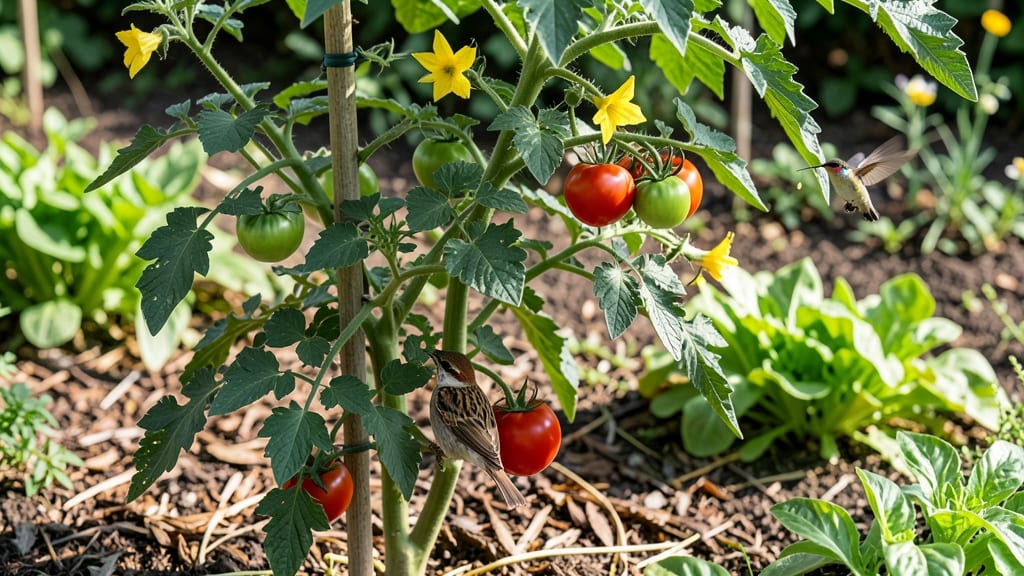
Birds devouring your tomato plants before they ripen is one of gardening’s most frustrating problems—until you plant the right neighbors. 🌱 I’ve lost entire harvests to hungry sparrows and starlings, but these companion plants act like a natural early-warning system, confusing birds and keeping your tomatoes safe.
The key is pairing tomatoes with strong-smelling herbs like basil, marigolds, and onions—their pungent scents mask the tomato aroma that attracts birds. Even nasturtiums work as a decoy, luring birds away with their bright flowers. Physical barriers like netting or reflective tape add another layer of protection without harming wildlife.
By mid-summer, you’ll watch your tomatoes thrive while birds focus on the companion plants instead. The best part? These pairings improve flavor and deter other pests too. No more half-eaten fruits or desperate last-minute rescues.
Works in containers, raised beds, or in-ground gardens—just adjust spacing for mature plants. The secret is planting companions early and maintaining their health. Your tomatoes will thank you at harvest time.
Why Feathers Ruin Your Tomatoes
If your tomato plants are suddenly looking more like a buffet than a thriving garden, feathered visitors might be to blame. Birds aren’t just charming backyard guests—they can turn your hard work into a snack attack.
But why do they target tomatoes in the first place? Let’s break down the science (and the sneaky behaviors) behind this garden dilemma.
Tomatoes are nature’s neon sign for birds. The deep red hue of ripe fruit mimics the color of berries and seeds, which are a natural food source for many bird species.
Studies show that red fruits are 30-50% more likely to be pecked at by birds like robins, sparrows, and even starlings compared to green or yellow produce. The contrast against green foliage makes them impossible to ignore.
💡 Pro Tip: If you’re growing heirloom or cherry tomatoes, consider green or yellow varieties (like ‘Green Zebra’ or ‘Yellow Pear’) to stay under the radar. Or, use netting or row covers once tomatoes start ripening.
Birds aren’t just after the color—they’re after the easy meal. Unlike hard-shelled nuts or tough-skinned fruits, tomatoes are soft, pulpy, and packed with sugars, making them a no-brainer snack. A single peck can destroy a ripe cherry tomato, and larger varieties like beefsteaks aren’t safe once they soften.
🔍 Science Note: Birds have keel-shaped sternums (like a wishbone) that allow them to swallow food whole or in large chunks. Tomatoes? A perfect bite-sized treat.
One of the biggest reasons birds descend on tomato plants is timing. Tomatoes ripen in weeks, not months, and birds have evolved to take advantage of this. If your garden produces fruit quickly, birds will learn your schedule and return daily for a fresh harvest.
📅 Actionable Fix:
- Stagger planting by 2-3 weeks to avoid a single massive ripe crop.
- Pick tomatoes as soon as they reach pink stage (before full red ripeness) and ripen indoors.
- Use bird-spooking tactics (like old CDs hung from strings) to disrupt their routine.
In the wild, birds face predators like snakes, hawks, and cats that keep their numbers in check. But in suburban gardens, these threats are often nonexistent. Without fear of danger, birds feel free to raid tomato plants with impunity.
🐍 Solution: Introduce bird deterrents like:
- Wind chimes or reflective tape to create movement and noise.
- Fake owls or predator models (though birds get wise to these over time).
- Planting thorny shrubs nearby (like roses or barberry) to discourage landing.
Birds aren’t malicious—they’re just following their instincts. But with a few strategic tweaks, you can outsmart them and keep your tomatoes safe (and on your plate, not theirs!).
Quick fixes for feathered garden invaders
Feeling frustrated by birds snacking on your tomato plants? 🐦🍅 Don’t worry—there are plenty of practical ways to protect your harvest while keeping your garden thriving. Below, we’ve mapped out cause-specific solutions, from immediate fixes to long-term prevention strategies. Let’s turn those pesky visitors into just a memory!
Problem: Birds love ripe tomatoes—they’re sweet, juicy, and easy to grab. If your plants are already producing fruit, you’ll need fast action.
Solutions:
- 🍳 Cover the Harvest Use lightweight row covers (like frost cloth) or bird netting (with ½-inch mesh) to shield ripe tomatoes. Secure the edges tightly so birds can’t sneak in. For a quick DIY fix, drape old sheer curtains or cheesecloth over individual branches.
- 👨🍳 Harvest Early & Often Pick tomatoes as soon as they’re ripe (or slightly underripe) to remove the temptation. Store them indoors or in a shaded mesh bag until fully ripe.
- 🥘 Scare Tactics (Temporary but Effective) Hang old CDs, aluminum pie pans, or reflective tape from strings—they create flashes of light that startle birds. Move them every few days so birds don’t get used to them.
Problem: Seedlings, tender leaves, and stems are vulnerable to birds probing for food or nesting material.
Solutions:
- 🔪 Physical Barriers for Seedlings Protect young tomato plants with toilet paper rolls (cut in half) or plastic milk jugs (bottoms only) placed over them. Poke holes in the bottom for drainage. For larger plants, use wire cages (like chicken wire bent into a cone).
- 🌡️ Deter with Scent & Texture Birds dislike strong smells—sprinkle crushed red pepper flakes, coffee grounds, or citrus peels around the base of plants. You can also plant companion herbs like basil, thyme, or rosemary nearby; their fragrance repels birds.
- 🎯 Decoy Distractions Set up a bird feeder 20+ feet away from your garden. Fill it with millet, sunflower seeds, or cracked corn to lure birds away from your tomatoes.
Problem: If birds keep returning, your garden might be too inviting. Let’s make it less appealing!
Solutions:
- 💡 Plant Smart Companion Pairings Birds avoid certain plants—interplant your tomatoes with:
- Marigolds (strong scent deters birds)
- Nasturtiums (birds dislike their peppery taste)
- Garlic or Onions (intense aroma repels many pests)
- Dill or Fennel (birds find them unappealing)
- 🌿 Create a "Bird Buffer Zone" Plant a border of thorny shrubs (like rosemary, barberry, or pyracantha) around your garden perimeter. Birds won’t risk getting tangled or injured.
- ✨ Use Motion-Activated Deterrents Place a motion-activated sprinkler (like the Orbit Enforcer) near your tomato plants. The sudden spray startles birds without harming them.
Avoid these counterproductive tactics: - 🚫 Using pesticides – Birds aren’t pests; they’re part of the ecosystem.
Chemicals can harm them and your plants. - 🚫 Leaving fallen fruit – Clean up overripe or dropped tomatoes immediately to remove the lure. - 🚫 Ignoring nesting signs – If you spot birds nesting in your plants, wait until they’ve fledged (usually 2–3 weeks) before disturbing them.
Check local laws—many protect nesting birds!
Pro Tip: 💡 Rotate your methods—birds are smart and can learn to ignore static deterrents. Mix up covers, scents, and decoys to keep them guessing!
With these strategies, your tomato plants will stay bird-free, and you’ll enjoy a bountiful, stress-free harvest all season long. 🍅✨
Frequently asked questions
Why do birds target tomatoes specifically?
Birds are drawn to tomatoes because their bright red color mimics berries and seeds—natural food sources. The soft, juicy texture makes them an easy meal, especially for species like sparrows and starlings. Even unripe tomatoes can attract birds if they're exposed.
Will companion plants really keep birds away?
Yes! Strong-smelling plants like basil, marigolds, and onions mask the tomato scent that attracts birds. Nasturtiums also work as decoys—their bright flowers lure birds away from your tomatoes. Plant these within 1-2 feet of your tomato plants for best results.
What's the best way to protect seedlings from birds?
Use toilet paper rolls (cut in half) or plastic milk jugs (bottoms only) over young plants. For larger seedlings, try wire cages or cheesecloth. Move these barriers as plants grow, and avoid leaving gaps where birds can peck.
Can I use reflective tape or CDs to scare birds?
Hang reflective tape, old CDs, or aluminum pie pans near your plants—they create flashes that startle birds. Move them every few days so birds don't get used to them. Pair this with other methods like netting for best results.
What should I do if birds are nesting in my tomato plants?
Wait until the birds have fledged (usually 2-3 weeks) before removing the nest. Check local laws—many protect nesting birds. In the meantime, protect your tomatoes with netting or relocate the nest to a safer area if possible.